
Last updated October 17, 2026
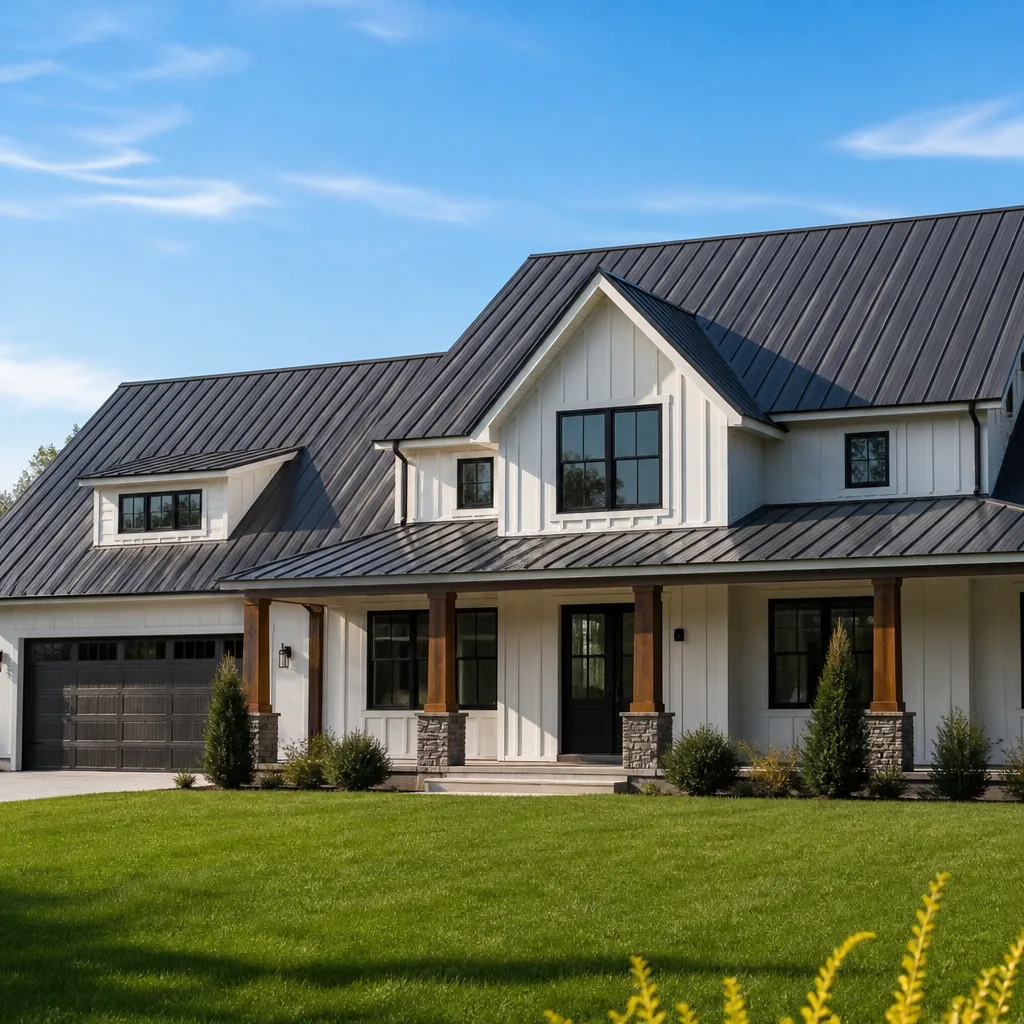 Metal roofing
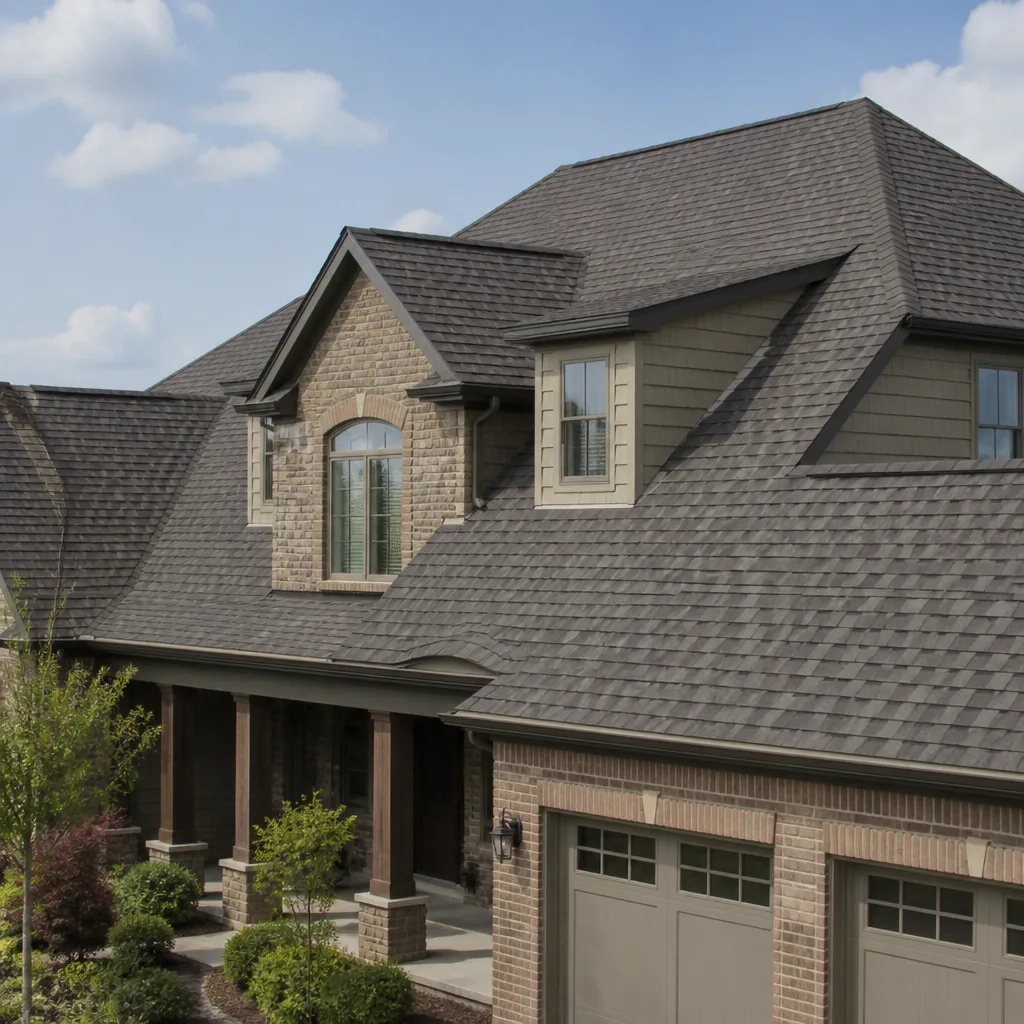 Architectural shingles
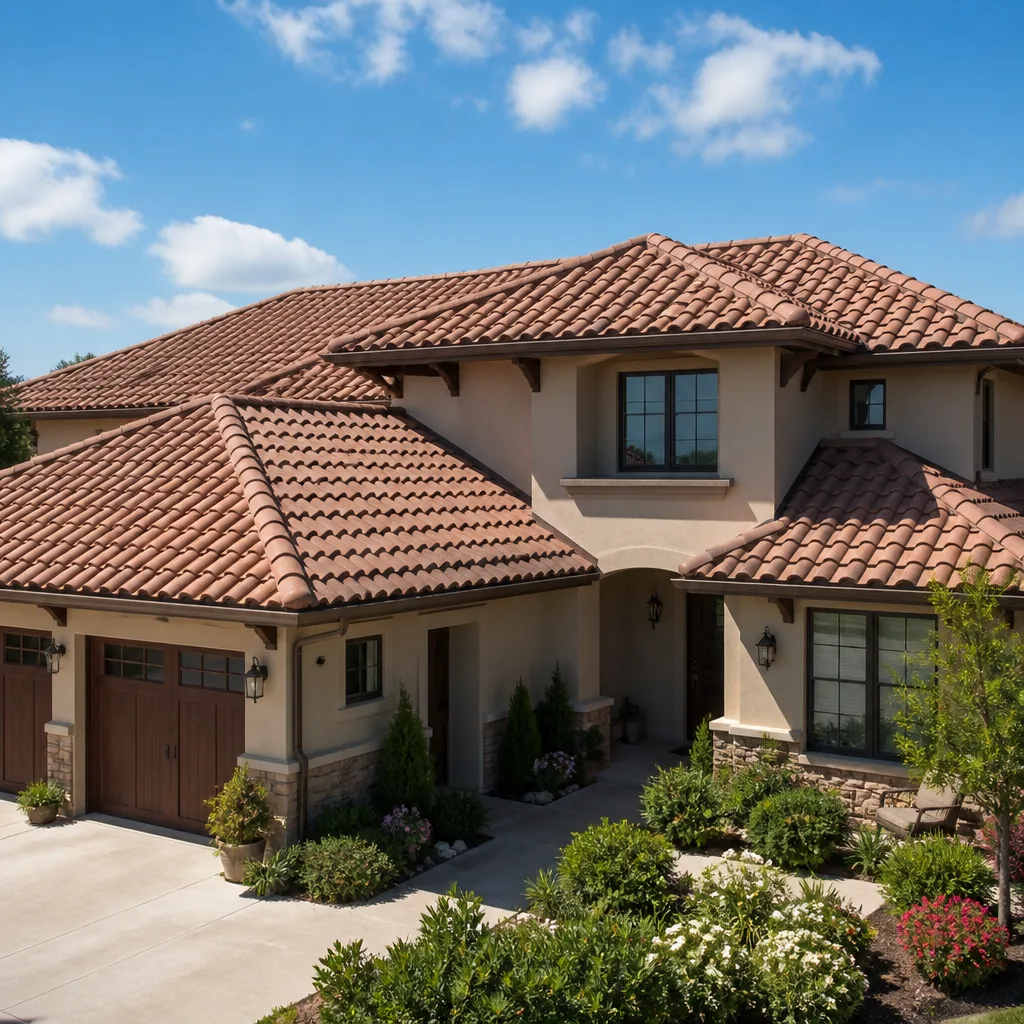 Tile roofing
 GAF
GAF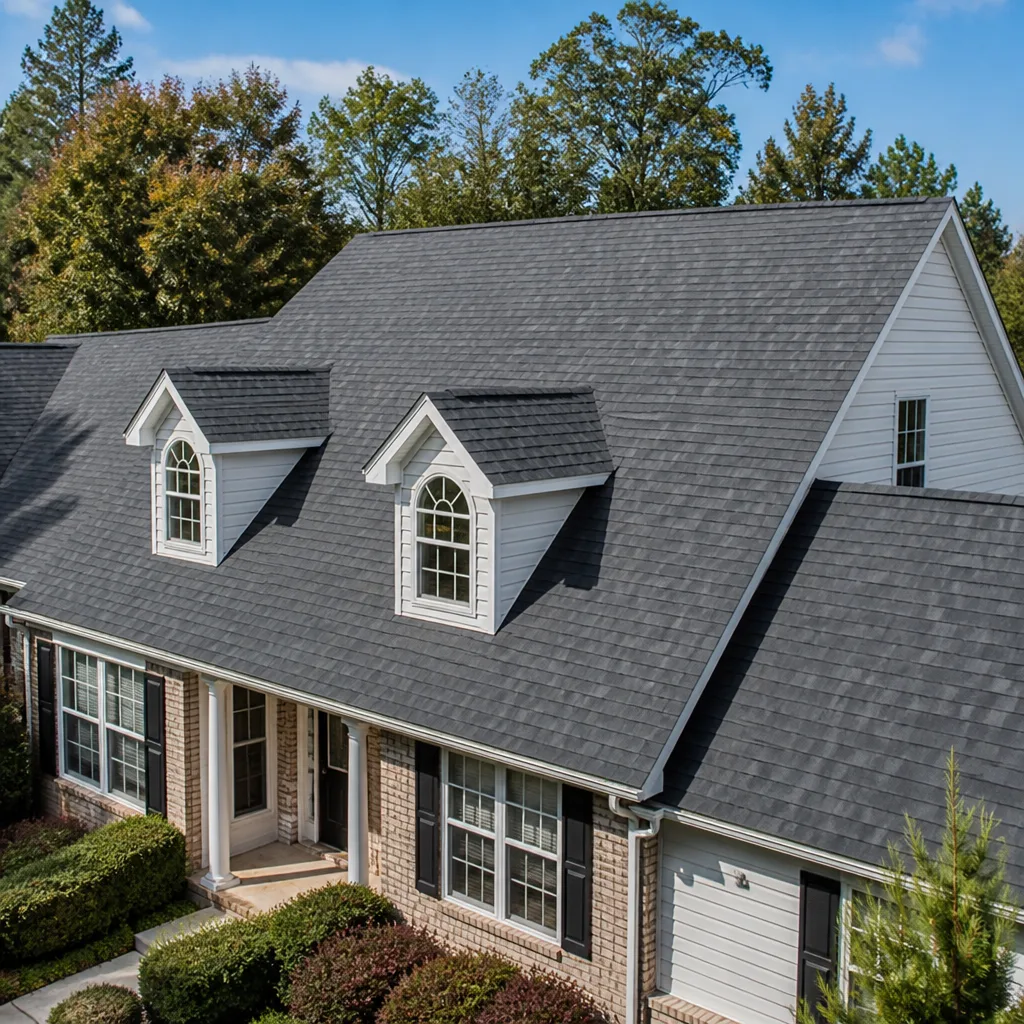 Owens Corning
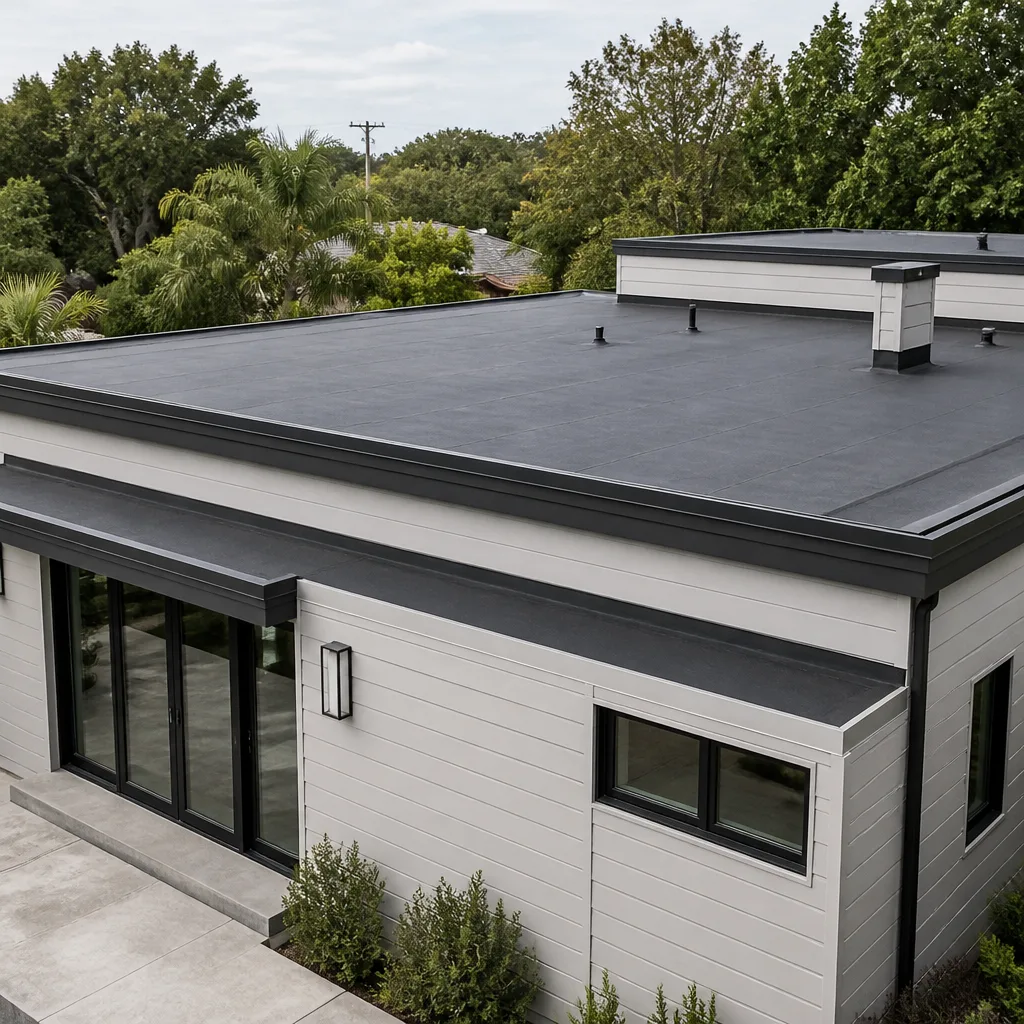 Flat & low-slope
Free roof inspection with deck photos before we talk money - GAF and Owens Corning certified installation
The Complete Guide to Roofing in West Covina
Most roofing guides written for California homeowners read like they were drafted in Sacramento and emailed south. They talk about coastal fog, marine layers, and mild year-round temperatures. None of that describes what your roof actually endures in West Covina, where an August afternoon can push attic temperatures past 140°F and an October Santa Ana event can throw 60 mph gusts at your ridge line for six straight hours. This guide covers what actually matters here: the wind zone requirements, the building department’s real rules, the skip-sheathing problem hiding under thousands of 1960s and 1970s tile roofs, and how to read a written bid so you’re comparing apples to apples. By the time you finish, you’ll know more about roofing in West Covina than most of the contractors who will quote your job.
Quick Answer
Roofing in West Covina means planning for three things most California guides ignore: Santa Ana wind uplift, extreme San Gabriel Valley heat cycling, and fire-zone requirements near the Puente Hills. Expect to pay roughly $6,500 to $14,000 for a full shingle reroof on a typical 1,200 to 1,800 square foot home, with tile reroofs running $18,000 to $35,000 depending on whether the existing skip-sheathing deck needs replacement. Permits are required for any structural reroof, and the safest approach is a contractor who puts a written price in your hand before any work starts, as explained in our How to Hire a Roofing Contractor in West Covina: A Step-by-Step Guide.
Styles & brands we work with
Table of Contents
- Why West Covina’s Climate Is Harder on Roofs Than You Think
- Best Roofing Materials for West Covina Homes
- What Roofing Costs in West Covina: Real Numbers
- Wind Zone Fastening Requirements: What the Code Actually Demands
- The Skip-Sheathing Problem in 1960s – 1980s Tract Homes
- West Covina Roofing Permits: What the Building Department Actually Requires
- How to Read a Roofing Bid Side by Side
- Class A Fire Ratings: What They Mean Near the Puente Hills
Why West Covina’s Climate Is Harder on Roofs Than You Think
West Covina sits in a thermal bowl at the eastern edge of the San Gabriel Valley. Summer temperatures regularly exceed 100°F, and the heat doesn’t just sit on the surface. A dark asphalt shingle roof can reach 160°F at the shingle face on a 105°F day, which transfers down through the decking and into your attic. That heat cycling is the silent killer of roofing materials. Shingles expand and contract daily. Underlayment dries out and becomes brittle. Sealant strips that hold shingle tabs down lose adhesion faster than manufacturers’ testing predicts because their accelerated aging tests don’t replicate thirty years of San Gabriel Valley Augusts.
Then comes October. Santa Ana winds funnel through the San Gabriel Canyon and hit West Covina with sustained 30 to 50 mph speeds, gusting to 60 or higher in exposed neighborhoods like the hillside streets north of Cameron Avenue. This is a genuine wind uplift problem. A shingle that’s been heat-cycled for a decade and lost its sealant strip adhesion becomes a liability the moment a Santa Ana gust gets under its leading edge. We’ve repaired roofs in West Covina where entire shingle fields lifted in one wind event because the original installation used too few nails and the sealant strips had long since failed.
The moisture picture matters too, though it’s less discussed. West Covina’s winter brings periods of intermittent rain, often after months of drought. The first heavy rain of the season hits soil that’s compacted and roof systems that haven’t been wet in eight months. Any minor gap that went unnoticed through the dry season becomes an active leak on day one of the first real storm. This wet-dry cycling means roofing in West Covina requires more proactive inspection than in regions with consistent moisture or consistent dry heat-see our Roof Repair Maintenance Checklist for West Covina Homeowners.
Best Roofing Materials for West Covina Homes
No single material wins for every West Covina home, but the choice narrows fast when you factor in heat, wind, and fire codes. Here’s what performs well here and what warrants caution.
| Material | Lifespan in West Covina | Best For | Approx. Installed Cost (per sq.) |
|---|---|---|---|
| Architectural Asphalt Shingle (GAF, CertainTeed, Owens Corning) | 22 – 30 years | Most single-family homes, flat or moderate slopes | $425 – $650 per square |
| Concrete Tile (Boral) | 40 – 60 years | Mediterranean-style homes, steep slopes, fire zones | $800 – $1,150 per square |
| Standing Seam Metal | 40 – 70 years | High-wind exposure homes north of I-10 | $1,100 – $1,700 per square |
| Rolled Modified Bitumen | 15 – 22 years | Flat or low-slope sections, patio covers, garages | $475 – $700 per square |
For most West Covina homeowners, architectural asphalt shingles from GAF, CertainTeed, or Owens Corning hit the right balance of cost and performance. They carry Class A fire ratings when installed with the right underlayment and are rated for high-wind zones when fastened per the manufacturer’s high-wind spec. Tile from Boral is the premium choice for homes that originally shipped with tile, and it handles West Covina’s heat remarkably well. The drawback is weight: a tile roof can weigh three to four times what a shingle roof weighs, and your framing has to be checked before you convert from one system to the other.
What Roofing Costs in West Covina: Real Numbers
Roofing prices in West Covina vary more by house than by contractor, because the condition of the existing deck determines whether you’re doing a simple overlay or a full tear-off with deck replacement. Here are the numbers we see.
Typical Roofing Costs in West Covina
- Full tear-off and architectural shingle reroof, 1,200 sq. ft.: $6,500 – $9,800
- Full tear-off and architectural shingle reroof, 1,800 sq. ft.: $9,200 – $14,000
- Tile reroof with existing deck in good condition, 1,500 sq. ft.: $16,000 – $24,000
- Tile reroof with skip-sheathing replacement, 1,500 sq. ft.: $22,000 – $35,000
- Minor repair (loose shingles, small flashing leak): $350 – $800
- Chimney flashing replacement: $650 – $1,200
- Skylight replacement (deck-mounted, single unit): $1,200 – $2,800
- Underlayment only (tile roof re-paper): $5,500 – $9,000
Labor typically runs 55 to 65 percent of the total bid, and that labor cost reflects California’s workers’ compensation insurance, which every legitimate contractor carries but some “cash price” roofers skip. When a bid comes in dramatically lower than these ranges, the difference is usually insurance, or a builder-grade shingle you’ll be replacing in twelve years, or both. We always recommend getting a detailed written proposal for roof replacement in West Covina that separates materials, labor, decking contingency, and permit fees as line items. That’s the only way to know what you’re actually comparing.
Wind Zone Fastening Requirements: What the Code Actually Demands
The International Residential Code (IRC) and the California Residential Code (CRC) assign wind design loads by exposure category. Much of West Covina falls under Exposure B, the middle-of-the-road classification for suburban terrain with scattered obstructions. But that changes near ridgelines and open hillside areas, where Exposure C applies and the fastening requirements tighten up. Here’s what this means in practice, not in code language.
For Exposure B, the California Residential Code (Table R905.2.4.1) requires asphalt shingles to be fastened with a minimum of four nails per shingle. On roofs with slopes steeper than 12:12, or in Exposure C areas, the requirement increases to six nails per shingle, and the fasteners must be ring-shank or otherwise approved for enhanced withdrawal resistance. The key phrase for homeowners is “high wind installation.” Most shingle manufacturers, including GAF, CertainTeed, and Owens Corning, publish specific high-wind installation guides. If the home is in an Exposure C area, the manufacturer’s high-wind nail pattern must be used, or the shingle warranty is void. Not because the manufacturer is being difficult, but because the shingle will fail prematurely without it.
West Covina homes on open hillsides north of Cameron Avenue, in the South Hills neighborhood near Shadow Oak Park, and any ridge-facing lots without significant tree cover should be designed as Exposure C. A legitimate contractor will check the wind zone before quoting. We do it on every bid, because the fastening pattern changes the labor cost and that changes the line item. If a roofing contractor in West Covina quotes a reroof without ever looking at your wind exposure, ask why.
Numbered installation steps matter here. Here’s the sequence for a properly wind-rated shingle roof:
- Verify the roof slope and measure the deck dimensions. Check for sag, rot, and existing nail pattern.
- Confirm the wind exposure category for the specific address using the CRC wind speed map and site conditions.
- Strip existing roofing and inspect decking. Replace any sheathing panels that fail the “fish hook” test (screwdriver pokes through easily) or show obvious water damage.
- Install a synthetic underlayment mechanically fastened per the manufacturer’s exposure-rated spec. In fire-hazard zones near the Puente Hills, verify the underlayment is part of a Class A assembly.
- Install starter strips and shingles using the manufacturer’s high-wind nail pattern if Exposure C applies. Six nails per shingle, placed in the reinforced nail line.
- Install flashing at all penetrations: chimney, plumbing vents, skylights, and the intersection of roof planes. This is where most leaks originate.
- Complete a final inspection and photograph every stage. You should receive before-and-after documentation.
Roof installation in West Covina should follow this same sequence whether you’re replacing a full system or building new. Skipping step 2 is the most common shortcut we see from low-ball bidders.
The Skip-Sheathing Problem in 1960s – 1980s Tract Homes
If your West Covina home was built between roughly 1960 and 1985 and it has a tile roof, there’s a very good chance the deck underneath isn’t solid plywood or OSB. It’s likely skip sheathing: horizontal boards spaced 4 to 10 inches apart, originally installed under heavy tile in an era when the assumption was that tile didn’t need a solid deck under it. The tiles interlock and shed water, and historically nobody expected underlayment between the tile and the boards to do much work.
That assumption no longer holds. California building codes now require solid sheathing under any new tile roof installation. More importantly, skip sheathing becomes a real problem the moment you need to reroof, because:
- The existing tile is removed and you discover the underlayment has disintegrated over decades of heat from above and attic heat below.
- The skip-sheathing boards are spaced too far apart to serve as a nailable surface for new underlayment and tile battens.
- Your contractor now has to overlay the entire deck with solid plywood or OSB, which adds $3,000 to $7,000 to a typical project, depending on square footage and roof pitch.
- Access to the attic changes. Sometimes the extra decking layer raises the roof plane enough that flashing details around chimneys and walls have to be rebuilt.
We see skip-sheathing decks on roughly 40 percent of the 1960s and 1970s tract homes we inspect in West Covina, particularly in neighborhoods west of Azusa Avenue and in the older sections near Cameron Park. It’s not a hidden defect, and it’s not the original builder’s mistake. It was standard practice for the era. But it does mean a tile reroof quote should always include a contingency line for decking, and if it doesn’t, the bid isn’t complete. A contractor who tells you the skip sheathing is “fine to leave” is either under-experienced or betting you won’t check.
West Covina Roofing Permits: What the Building Department Actually Requires
The City of West Covina Building Division issues roofing permits through its online permit portal, and the requirements are specific. Any reroof that involves replacing the underlying sheathing, changing the roofing material type, or altering the roof structure requires a permit. A simple overlay of like-for-like shingles over an existing single layer also requires a permit in West Covina. The city does not recognize the argument that “it’s just maintenance” as an exemption from the re-roof permit requirement.
Here’s what the permit process actually involves:
- Your contractor (or you, if doing it yourself) submits a roof permit application with the project address, roof square footage, and material type.
- The city may require a roof plan or a simple sketch showing the roof layout and the location of any proposed changes.
- Permit fees in West Covina for a typical residential reroof run between $250 and $600, depending on valuation and square footage.
- An inspection is scheduled after the old roof is stripped and before the new roof is closed up. The inspector checks the deck condition, underlayment, and nailing pattern.
- A final inspection is required after the roof is complete.
The most important line in all of that is step 4. West Covina inspectors want to see the deck before the new shingles or tile go on. A contractor who skips the permit entirely never gets that inspection, which means there’s no official record that the work met current code. When you sell the home, a buyer’s inspector may flag the unpermitted work, and you’ll pay to have it brought up to code retroactively. We pull permits on every reroof in West Covina and every structural roof repair. It’s slower and it costs a few hundred dollars more, but it protects the homeowner.
How to Read a Roofing Bid Side by Side
Comparing two roofing proposals side by side should take five minutes, not a leap of faith. The problem is that most bids are written with different levels of detail, and the cheaper one usually wins because it simply lists fewer things. Here’s the one-page method.
Create a table with rows for each item below. Write in each bid’s number or note if it’s missing.
- Total roof square footage measured: Bids that disagree by more than 10 percent mean one contractor didn’t measure. Ask them both to re-measure.
- Shingle brand and product line: “GAF Timberline HDZ” is a product. “Architectural shingle” is not. Specific product names mean you can verify the manufacturer warranty.
- Number of nails per shingle: Should be 4 or 6. If the bid doesn’t say, the installer may use the minimum and windy ridgelines near the Puente Hills demand better.
- Underlayment type: Synthetic is standard now. “Felt” can mean 15-lb or 30-lb, and the difference matters in West Covina’s heat.
- Decking replacement contingency: A per-sheet price for plywood or OSB replacement if rot is found. Missing contingency = surprise change order.
- Flashing scope: Which penetrations get new flashing. Chimney, vents, skylights, valleys, wall intersections. All of them should be listed.
- Permit fees included: If the bid doesn’t mention a permit, ask whether one will be pulled. West Covina requires it.
- Dumpster and disposal: Tear-off creates 3 to 6 tons of debris. Someone has to haul it.
- Warranty terms: Workmanship warranty length and coverage. Manufacturer’s warranty is separate and covers materials only.
When a bid is missing three or more of these items, that’s not a simpler proposal, that’s a bid designed to be lower on paper and higher at the end. Every Crestview Roofing Co West Covina proposal includes a written price before any work starts, with every line item broken out, so the number on the page is the number on the invoice. Our 365-Day Done Right Promise covers any covered repair for a full year, in writing, and that includes a free second visit if something goes wrong. That’s the standard we think every roofer in West Covina should be held to.
Class A Fire Ratings: What They Mean Near the Puente Hills
West Covina’s northern and eastern edges climb into the Puente Hills, and California’s Wildland-Urban Interface (WUI) fire zones extend into several residential neighborhoods. If your home falls in one of these zones, the building code requires a Class A fire-rated roof assembly. That’s a system-level rating, not a shingle rating. The shingle, the underlayment, and the decking together determine the assembly’s rating.
Here’s the practical difference:
- A standard asphalt shingle installed over a standard felt underlayment may not meet Class A assembly requirements in a WUI zone.
- A Class A assembly for West Covina fire zones typically pairs fiberglass-reinforced asphalt shingles with a fire-resistant underlayment and, in some cases, an ignition-resistant deck product.
- Concrete tile and standing seam metal are inherently Class A materials, which is one reason many hillside West Covina homes keep their original tile.
- Some neighborhoods in the South Hills and near Powder Canyon require a minimum 10-foot defensible space clearance in addition to the Class A assembly. Roofing contractors don’t enforce defensible space, but we point it out when we see it.
If the homeowners association or the city hasn’t flagged your home as a WUI property, you should check. The City of West Covina’s GIS map shows fire hazard severity zones, and it takes two minutes to look up. A roof in a moderate fire-hazard zone with a non-compliant assembly means trouble with insurance and trouble with resale.
Common Mistakes to Avoid
- Choosing a bid without confirming the nail pattern. Four nails per shingle is fine in sheltered pockets of West Covina, but if your street gets Santa Ana gusts, insist on six-nail high-wind installation. The labor difference is minimal. The failure difference is a whole roof.
- Assuming a tile roof means a solid deck. If your home predates 1985, get the deck inspected before budgeting. Skip sheathing converts a $16,000 reroof into a $24,000 reroof, and that’s not a surprise you want mid-project.
- Believing “we can skip the permit and save you money.” A permit in West Covina costs $250 to $600 and buys you an independent inspector’s eyes on the work. Skipping it saves a little cash and costs you credibility when you sell.
- Accepting a verbal quote. If it’s not written, it didn’t happen. Written pricing before work starts is the baseline, not a luxury.
- Ignoring the underlayment. The shingles are the visible surface, but the underlayment is the waterproof layer. In West Covina’s heat, cheap underlayment dries out and cracks long before the shingles wear out.
- Focusing only on the shingle brand. GAF, CertainTeed, and Owens Corning all make excellent products. A premium shingle installed over rotten flashing still leaks. Installation quality determines the outcome more than the brand name on the package.
See the difference
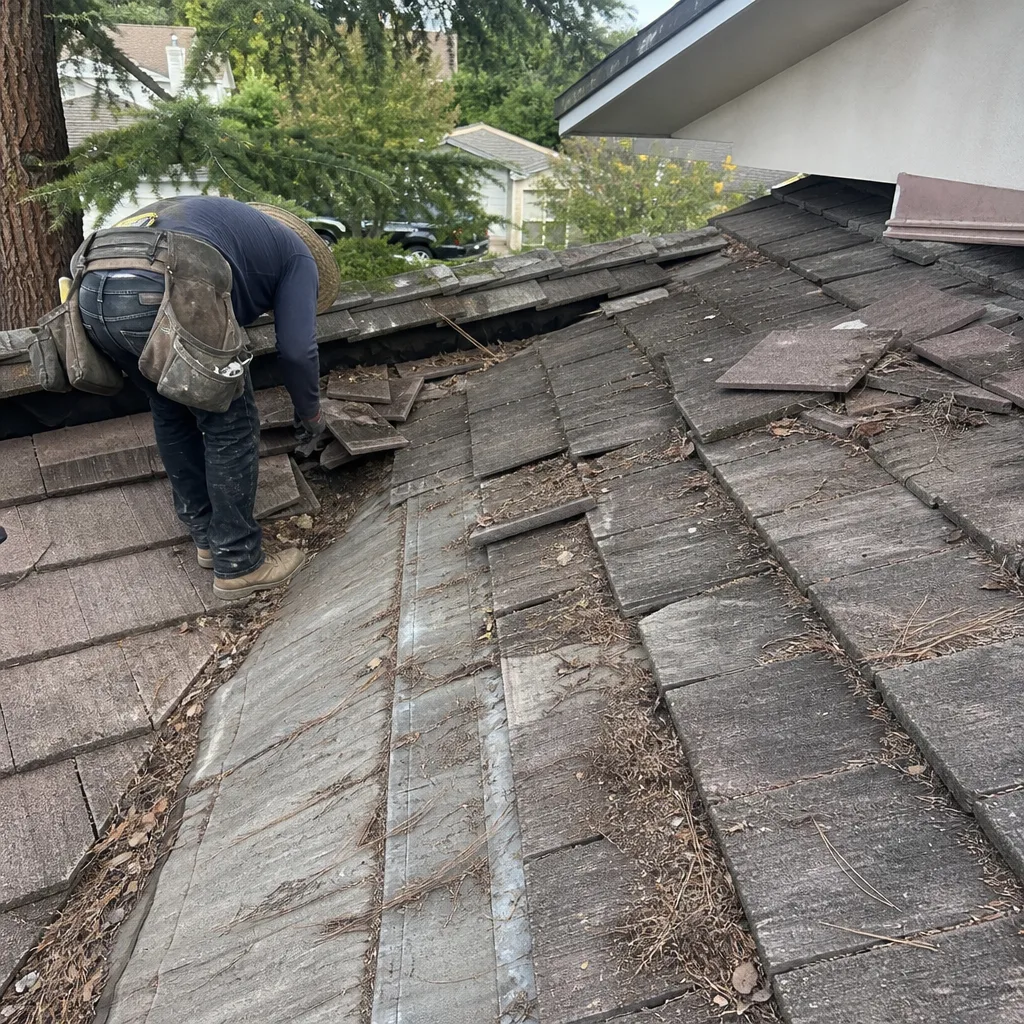 Before
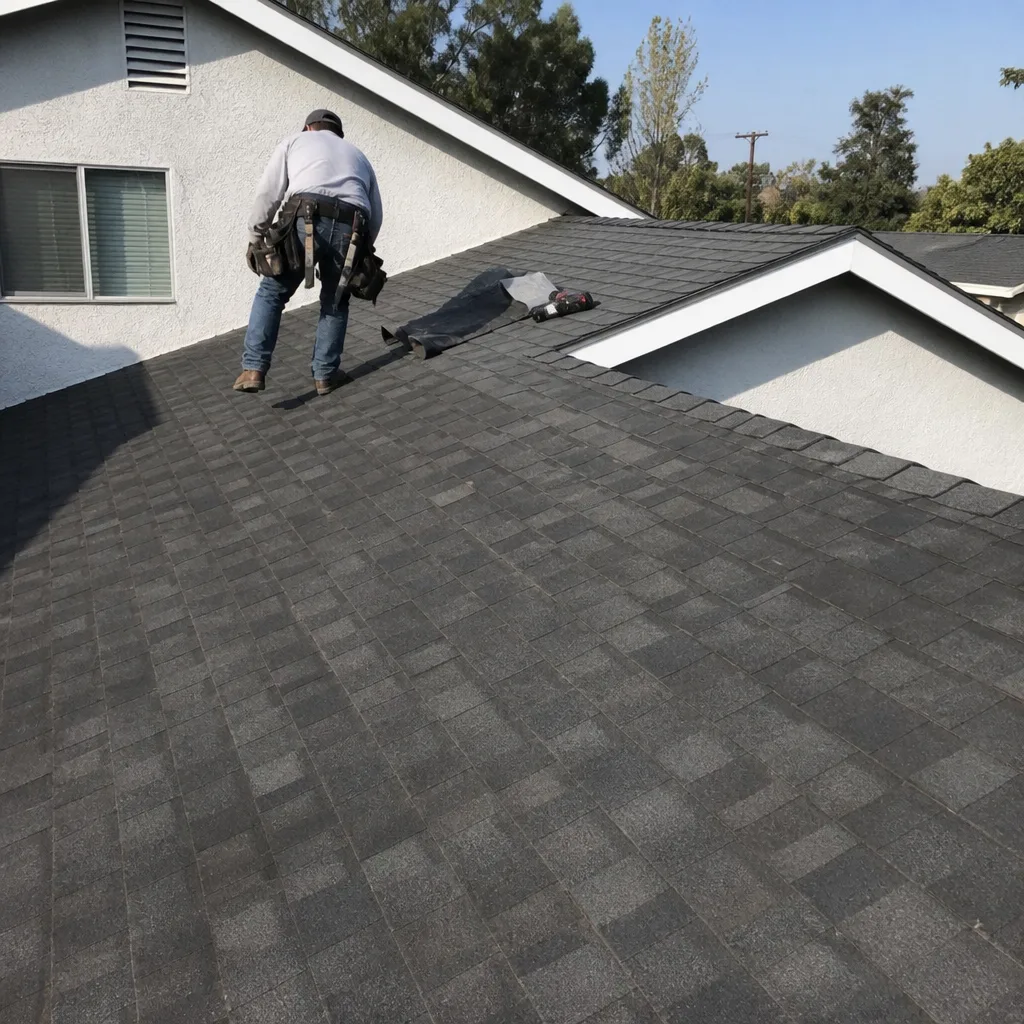 After
After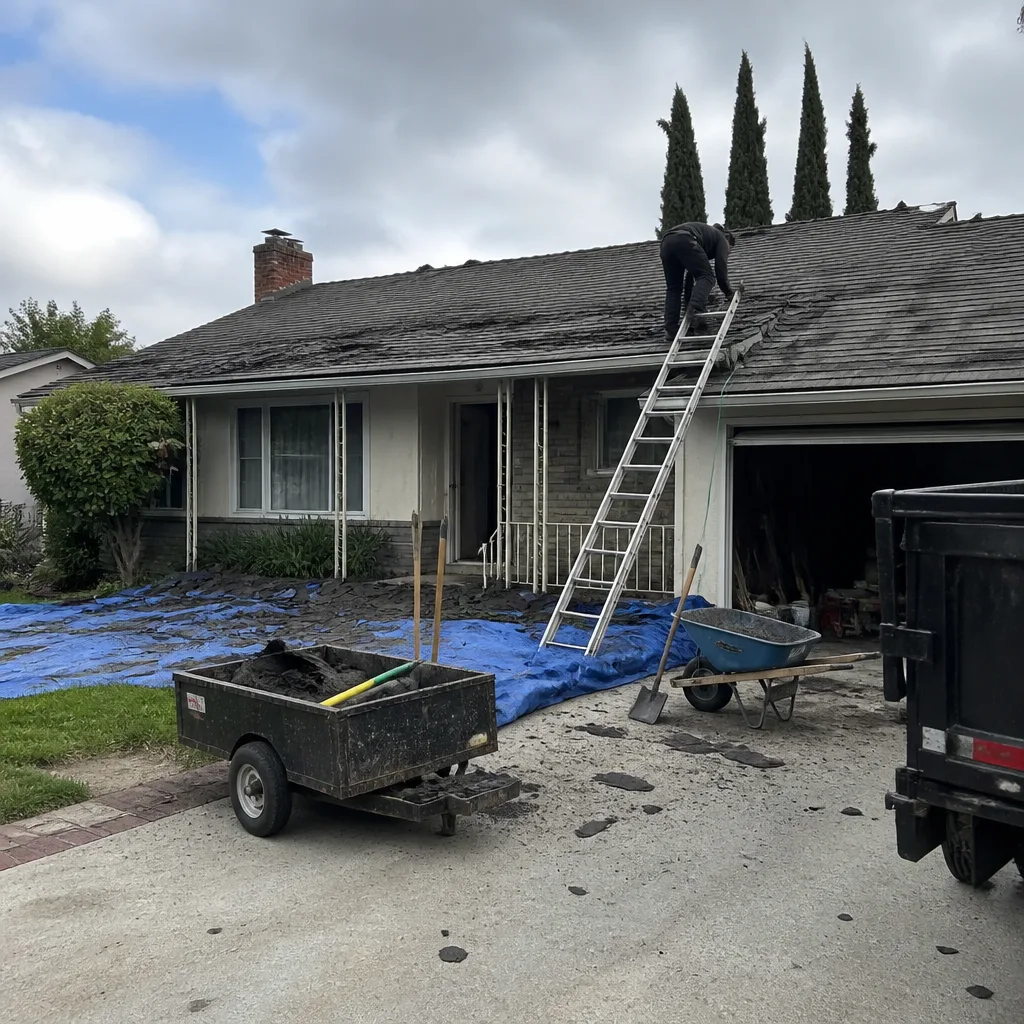 Before
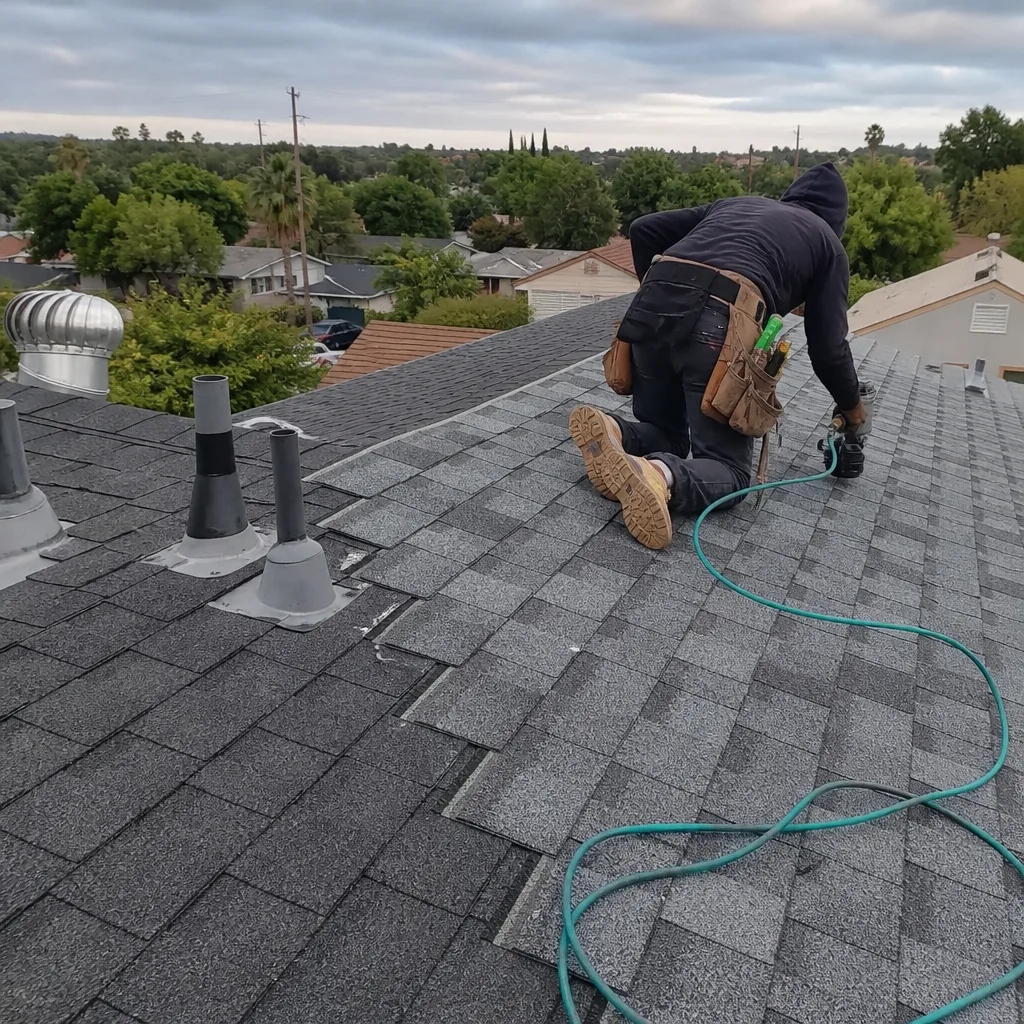 After
After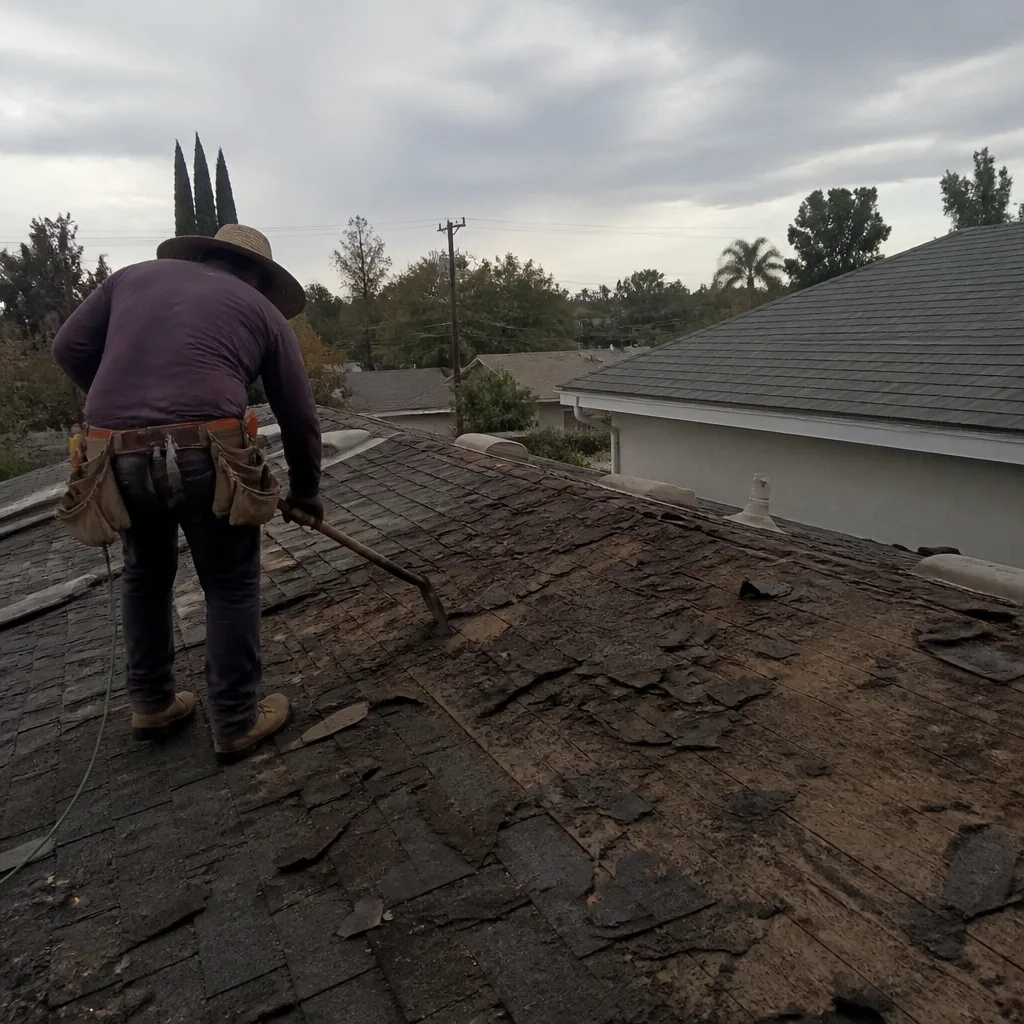 Before
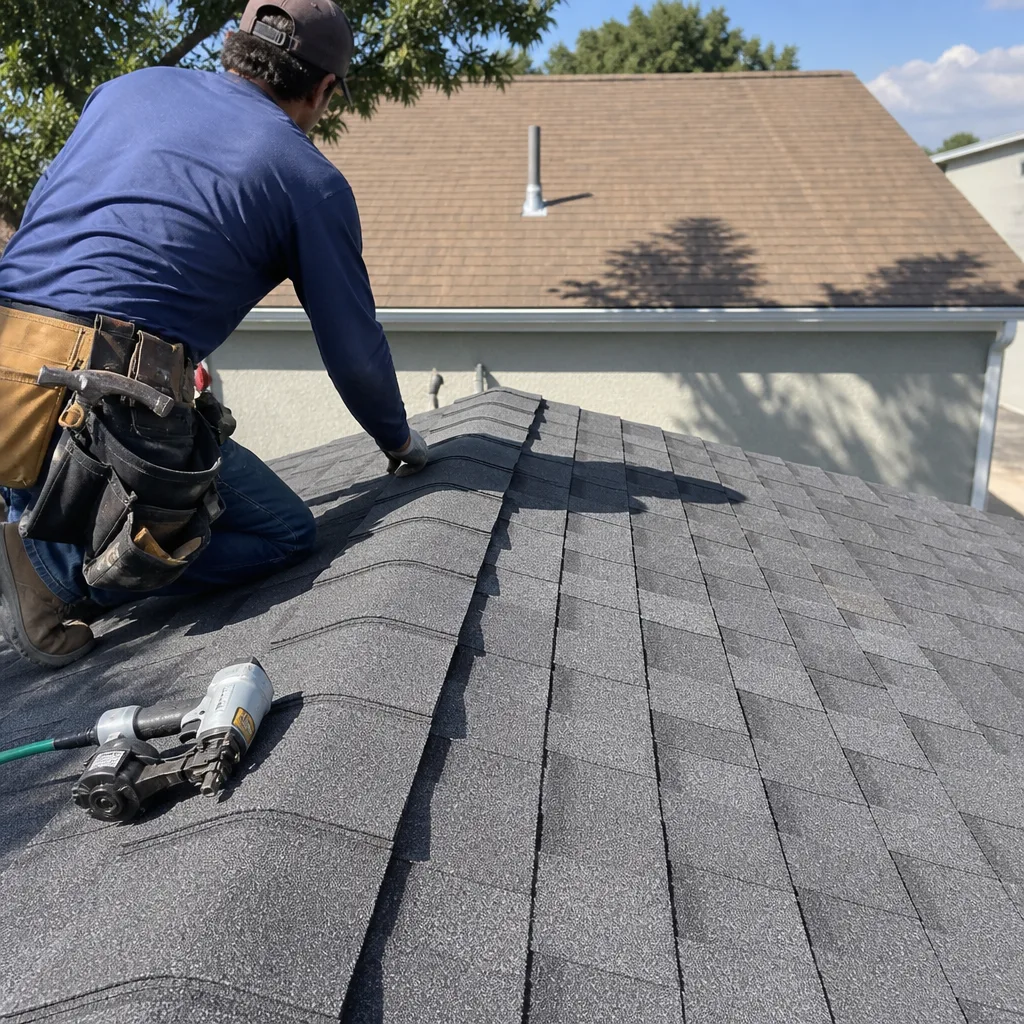 After
AfterWhen to Call a Professional
Some roofing problems announce themselves. You see water staining on the ceiling, or shingles in the yard after a windstorm. But West Covina’s heat creates a slower, quieter failure mode: granule loss on south-facing slopes, cracked sealant strips you can’t see from the ground, and underlayment that’s brittle before its time. If your roof is over 18 years old, or you’re seeing granules in the rain gutters, or your energy bill has crept up in summer as the attic gets hotter, it’s time for an inspection. Crestview Roofing Co West Covina offers roof repair in West Covina with written pricing before work starts and photo documentation after. Call (831) 777-6412 to schedule a free estimate. A live person answers 24/7.
Frequently Asked Questions
A full shingle reroof in West Covina runs $6,500 to $14,000 for most single-family homes between 1,200 and 1,800 square feet. Tile reroofs range from $16,000 to $35,000 depending on deck condition. Call (831) 777-6412 for an exact quote. Estimates are free.
Yes. The City of West Covina requires a permit for any reroof, including like-for-like overlays. The permit includes an inspection of the deck and fastening before the final inspection. Contractors who skip the permit aren’t doing you a favor; they’re running without oversight.
A standard shingle tear-off and reroof on a 1,500 square foot home takes 2 to 4 working days with a 4 to 6 person crew. Tile reroofs take 5 to 10 days because the tile is heavy and hand-laid. Weather delays are common in late December and January, so winter projects should plan for flexibility.
Yes. Sustained winds of 50 to 60 mph generate enough uplift to peel shingles that are old, improperly nailed, or installed with failed sealant strips. After a significant wind event in West Covina, check your roof from the ground for lifted tabs and missing shingles, and keep an eye on ceiling corners inside.
A repair fixes a specific problem: a leaking flashing, a damaged section of shingles, a clogged and backed-up valley. A reroof replaces the entire roofing system, including underlayment and sometimes decking. If your roof is 20 years old and has multiple leaks in different locations, a reroof is usually the smarter money than repeated band-aid repairs.
Yes. We install and repair roofs using manufacturer-backed materials from GAF, CertainTeed, and Owens Corning, among others. We’ll recommend the right product for your West Covina home’s exposure, slope, and budget, and every installation includes a written price before work starts.
The Bottom Line
Roofing in West Covina isn’t a one-size-fits-all California story. The heat cycles, the Santa Ana winds, the aging skip-sheathing decks, and the fire-zone code requirements combine into a specific set of conditions that demand a contractor who knows this city, not just the state. Get a written bid with line items. Confirm the nail pattern for your wind exposure. Verify the permit will be pulled. Check that the decking contingency is spelled out. Make sure the warranty is in writing. If a contractor can’t offer those things on paper before work starts, they’re not the right contractor. Crestview Roofing Co West Covina has been serving this city since 2000, and every job is done under the standards of The Relay Visibility Guarantee. Learn more at the Crestview Roofing Co West Covina home page, or call (831) 777-6412 for a free estimate.
Written by Dylan Pace, Owner at Crestview Roofing Co West Covina, serving West Covina since 2000.