
Last updated October 17, 2026
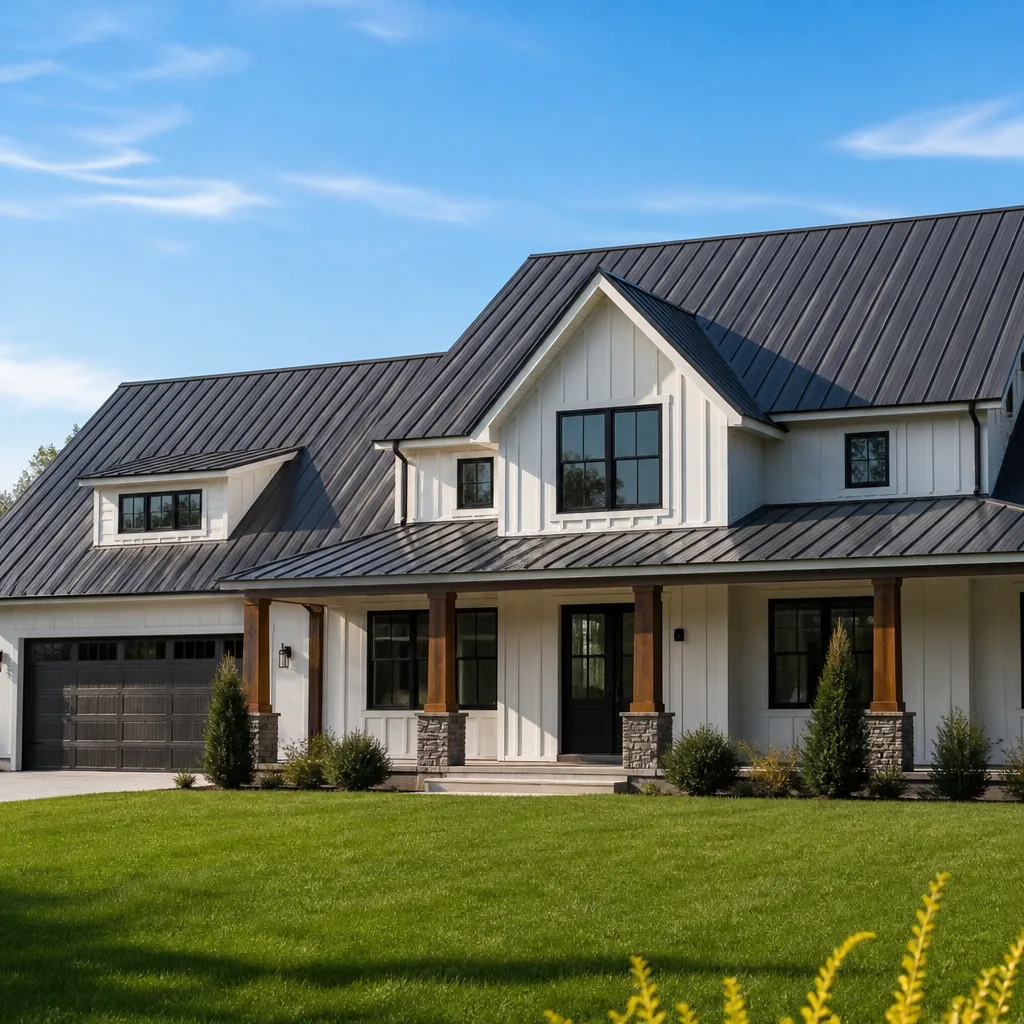 Metal roofing
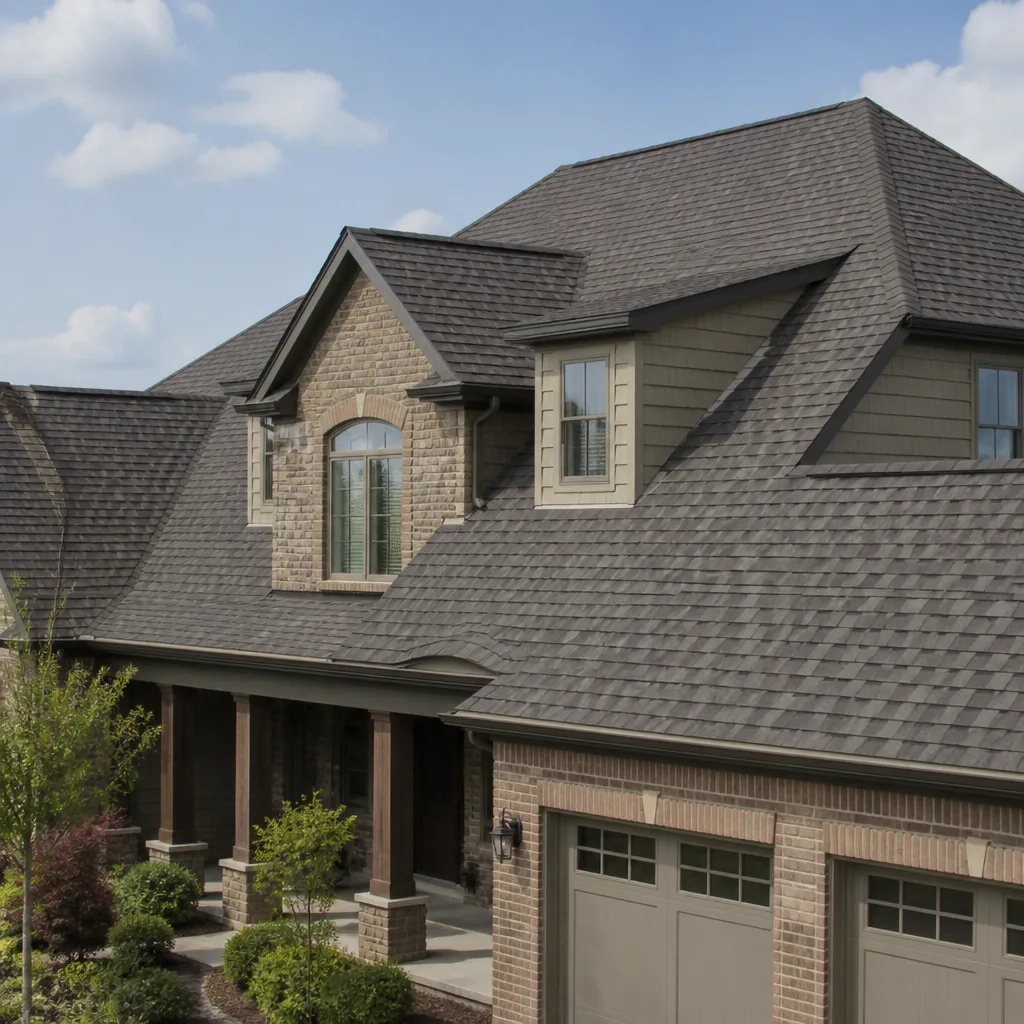 Architectural shingles
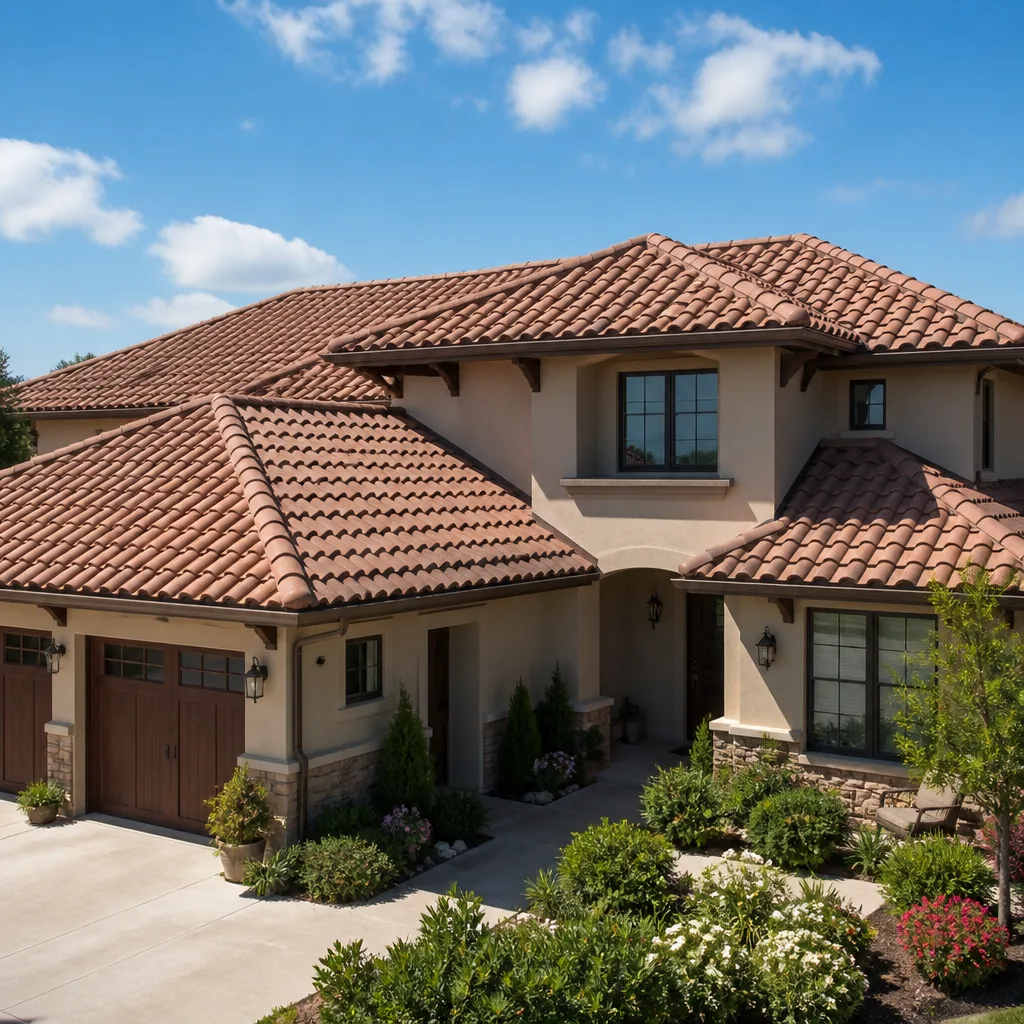 Tile roofing
 GAF
GAF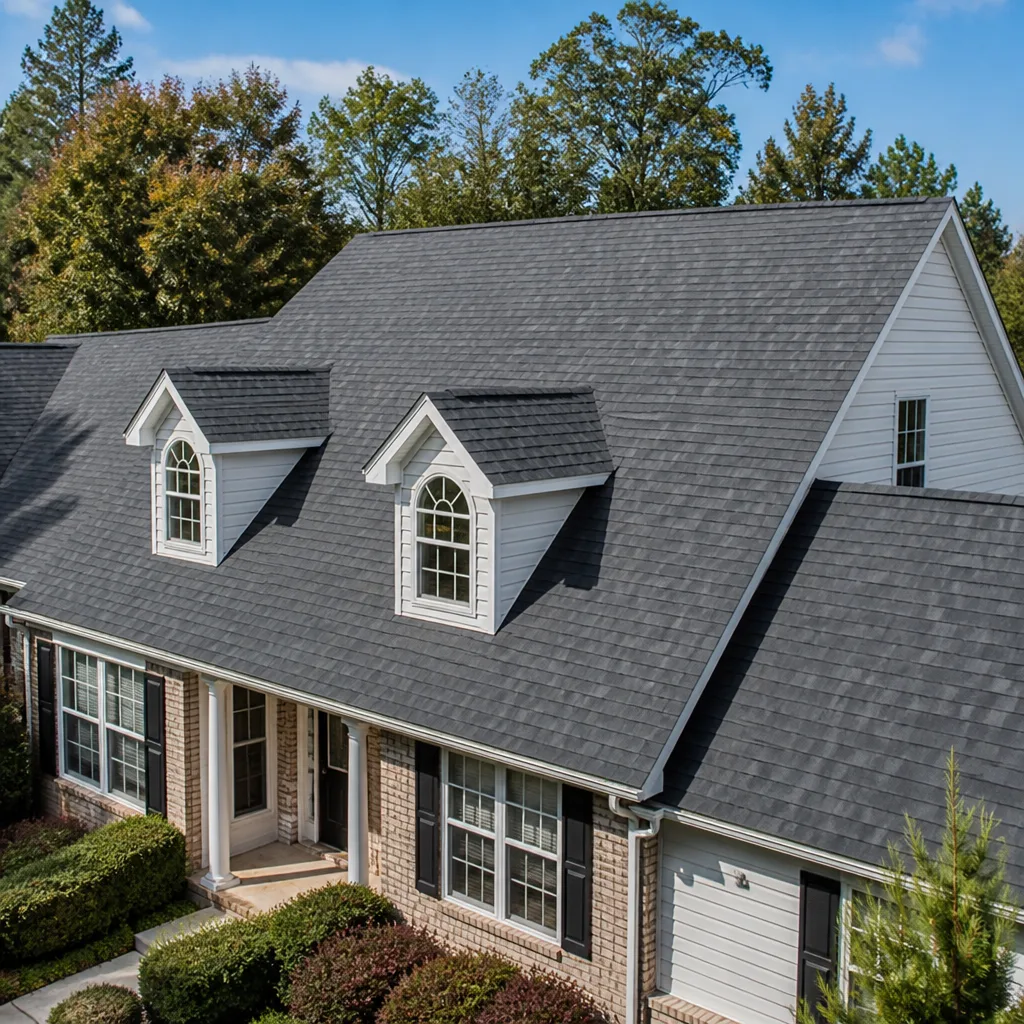 Owens Corning
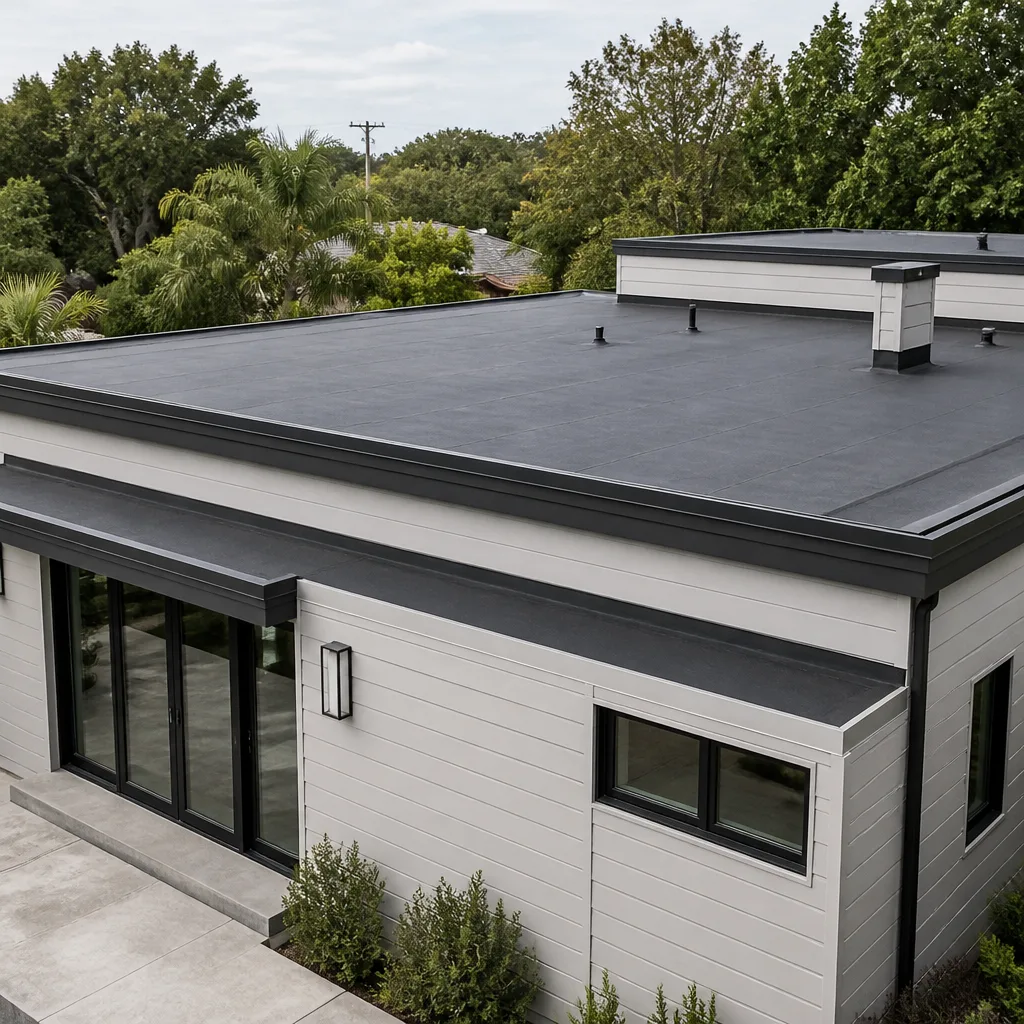 Flat & low-slope
Free roof inspection with deck photos before we talk money - GAF and Owens Corning certified installation
How to Hire a Roofing Contractor in West Covina: A Step-by-Step Guide
Here’s an uncomfortable truth: a contractor can answer “yes” to every question on a standard hiring checklist and still quote you $9,000, then bill you $13,500. The checklist isn’t the problem. The lack of written commitments is. Most West Covina homeowners don’t get burned because they forgot to ask about insurance or experience. They get burned because they accepted verbal answers to questions that should have been answered in writing, signed, and dated. This guide walks you through the exact steps to hire a roofing contractor in West Covina who can’t surprise you later, because every promise is on paper before the first shingle comes off. You’ll learn how to verify licenses in under a minute, what your contract must say word-for-word, how to confirm your permit through the city’s portal, and how to read a bid like someone who knows where contractors hide their markup.
Styles & brands we work with
Quick Answer
To hire a roofing contractor in West Covina, verify their CSLB license classification (C-39 for roofing or B for general building), get a written contract with a not-to-exceed clause and a change-order approval process, confirm they pulled a permit in your name through the City of West Covina portal, and require written material specifications with manufacturer names before work starts. Expect standard roof repairs in West Covina to run $400 – $1,200 and full replacements on a typical 1,800-square-foot single-story to cost between $9,000 and $16,000 depending on material grade.
Table of Contents
- Step 1: Verify the CSLB License in Under 60 Seconds
- Step 2: Read the Bid Like a Contractor, Not a Customer
- Step 3: Demand a Written Contract With These Exact Clauses
- Step 4: Confirm the Permit Through the City of West Covina Portal
- Step 5: Spot the Red Flags That Never Show Up on Yelp
- Step 6: Lock In Material Specifications Before You Sign
- Step 7: Understand Local Pricing So You Can Read Markup vs. Scope
- Common Mistakes to Avoid
- When to Call a Professional
- Frequently Asked Questions
- The Bottom Line
Step 1: Verify the CSLB License in Under 60 Seconds
Every legitimate roofing contractor in California must hold a license from the Contractors State License Board (CSLB). The number matters, but so do the letters. For roofing work in West Covina, you want a C-39 license, which is the specialty classification for roofing contractors. A B license (General Building) also permits roofing work, but it means the contractor is a generalist, not a roof specialist. Both are legal. Neither guarantees competence. What matters is whether the license is active, whether the contractor’s name on the license matches the person standing in your driveway, and whether there are any suspensions or disciplinary actions on file.
Here’s how to verify in under 60 seconds:
- Go to the CSLB website (cslb.ca.gov) and click “Check a License.”
- Enter the license number the contractor gave you.
- Confirm the status says “Active.” If it says “Expired,” “Suspended,” or “Revoked,” the conversation ends there.
- Check the classification. You want C-39 or B. A C-15 (flooring) or C-36 (plumbing) license does not permit roofing work.
- Look at the “Personnel” section. The license should list a qualifying individual by name. Ask the contractor if that person is involved in your project. In some cases, a contractor rents a license from someone who never shows up on the job.
- Note the license issue date. A contractor who has held an active license for 10 or more years has survived the market’s natural selection. A license issued four months ago isn’t automatically disqualifying, but it means you should dig deeper on experience.
West Covina sits in Los Angeles County, which means you benefit from one of the most active CSLB enforcement divisions in the state. Unlicensed contracting is a misdemeanor in California, yet every year inspectors cite dozens of unlicensed roofers working the San Gabriel Valley. The homeowners who hire them have almost no recourse when the work fails. We’ve seen roofs in West Covina neighborhoods from South Hills to Woodside where unlicensed crews nailed new shingles over rotted decking and disappeared. The homeowner’s only option was to pay a second contractor to tear it all off and start over.
One more detail: check the contractor’s workers’ compensation insurance. Roofing is dangerous work. If a worker falls off your roof and the contractor doesn’t carry workers’ comp, you could be liable. Ask for the certificate, call the insurer to confirm it’s active, and verify it covers the number of employees the contractor says they’ll bring. This takes ten minutes. It could save you your house.
Step 2: Read the Bid Like a Contractor, Not a Customer
Most homeowners look at one number on a bid: the total. That’s exactly what contractors who overcharge want you to do. The total hides everything. A bid that says “Roof replacement: $12,400” tells you nothing about what you’re actually buying. The same $12,400 could cover thirty squares of architectural shingles with new flashing, drip edge, and ice-and-water shield, or it could cover twenty-five squares of three-tab shingles installed over the existing layer with the old flashing glued back on. Same price. Completely different roof.
Here’s what a real bid from a West Covina roofing contractor should include, line by line:
- Total square footage and number of roofing squares. A “square” in roofing is 100 square feet. If your roof is 2,400 square feet, that’s 24 squares. The bid should state the number of squares clearly so you can verify the math.
- Material manufacturer and specific product line. “Architectural shingle” is not specific enough. You want “GAF Timberline HDZ” or “Owens Corning Duration” or “CertainTeed Landmark.” Each of these has a different warranty, weight, and price point. If the bid doesn’t name the product, the contractor plans to shop for whatever’s cheapest at the supply house that week.
- Underlayment type. The layer beneath the shingles. Options include felt (15 or 30 pound), synthetic, and peel-and-stick. In West Covina, where summer attic temperatures routinely exceed 130 degrees, synthetic underlayment holds up better than felt and is worth the upgrade.
- Flashing scope. Flashing is the metal strips that seal joints around chimneys, vents, skylights, and wall intersections. A good bid specifies whether flashing is being replaced or reused. Reusing 15-year-old flashing is a false economy.
- Decking repair contingency. The decking is the wood layer beneath the shingles. No contractor can see all of it until the old roof comes off. A honest bid includes a per-sheet price for decking replacement, so you know exactly what you’ll pay if rot is found.
- Waste and haul-away. This should be a fixed line item, not “included in labor.” If it’s bundled, you can’t compare it across bids.
When we walk a roof in West Covina, we bring a clipboard and a camera. Before we quote, we check the attic for signs of decking rot, inspect the flashing, count the vents, and measure the slopes. Then we write a bid that itemizes everything. The number on the page is the number on the invoice. That’s how we work at Crestview Roofing Co West Covina home, and it’s the only way a homeowner can compare bids honestly.
Step 3: Demand a Written Contract With These Exact Clauses
This is the step where most West Covina homeowners go wrong. They get a bid, they like the number, they shake hands, and they never see a contract. Or they see a one-page “agreement” that says almost nothing. A handshake doesn’t hold up at the CSLB. A one-page contract won’t either. You need specific language in writing, and you need to see it before you sign anything or pay anything.
Here’s the language to require in your roofing contract:
- A not-to-exceed clause. This one sentence protects you from the most common roofing scam in the industry: the low ball bid that balloons mid-project. The clause says the total contract price will not exceed the amount stated unless you sign a written change order. Without it, the contractor can claim “unforeseen conditions” and bill you extra. With it, any increase requires your signature on a separate document before any additional work happens.
- A change-order approval process. A change order is a written document that lists the scope change, the cost, and the new completion date. It must be signed by you and the contractor before the extra work begins. If a contractor starts extra work and then tells you about it later, you never approved it, and you shouldn’t pay for it.
- Material specifications by manufacturer and product name. “CertainTeed Landmark shingles in Moire Black” is specific. “30-year architectural shingle” is not. Specify color, brand, product line, and quantity.
- A payment schedule tied to milestones, not calendar dates. Never pay more than 10% or $1,000 as a deposit (California law limits down payments to the lesser of $1,000 or 10% for residential work). Then pay in installments after defined milestones: old roof off, decking inspected and repaired, new roof on, final cleanup and inspection. Final payment is due only after you’ve walked the roof with the contractor and signed off.
- A start date and a completion date. “Weather permitting” is acceptable in Southern California, but not without a defined start window. A contractor who refuses to commit to a start date has too many jobs or not enough crew.
- Warranty terms in writing. Separate manufacturer warranty (on materials) from workmanship warranty (on installation). Manufacturer warranties from brands like Owens Corning and IKO cover the shingles themselves. The contractor’s workmanship warranty covers installation defects. Get both in writing, with durations, coverage details, and what happens if the company goes out of business.
Our Roof Replacement in West Covina process includes every one of these elements in our written contract, plus a 365-Day Done Right Promise on repairs: if it’s not done right, we make it right, in writing, included with every job. Any covered repair that fails within 365 days gets corrected at no charge, including a free second visit. No negotiation. That’s the standard every West Covina homeowner should demand from any contractor, whether they hire us or someone else.
Step 4: Confirm the Permit Through the City of West Covina Portal
Here’s a scenario we see too often in West Covina: a contractor tells the homeowner, “We don’t need a permit for this.” Sometimes that’s true. In California, minor repairs of less than 10% of the roof area generally don’t require a permit. But a full roof replacement absolutely does. And when a contractor says a permit isn’t necessary for a replacement, what they usually mean is they don’t want to pay for it, wait for the inspection, or have the city look at their work.
Permits protect you in ways you can’t see. A city inspection catches code violations that get expensive later: improper nailing patterns, inadequate ventilation, missing fire-rated underlayment. California building code requires fire-resistant roofing materials in wildfire-prone areas, and parts of West Covina with hillside exposure fall under those requirements. A contractor who skips the permit also skips the inspection, and you won’t know what’s wrong until the next rainstorm.
Here’s how to verify the permit in under five minutes:
- Ask the contractor for the permit number before work starts.
- Go to the City of West Covina’s building and safety division online portal.
- Search for the permit using your address. It should be in your name, not the contractor’s name. If the permit is in the contractor’s name, you have no legal ownership of the approval, and the contractor can walk away leaving an open permit on your property.
- Confirm the permit type is “roof” or “re-roof” and the scope matches your contract.
- After the job is done, verify the permit was finaled with a passed inspection. An open permit haunts you when you sell the house.
For our Roof Installation in West Covina projects, we pull permits in the homeowner’s name, coordinate the inspections, and send you the finaled permit documentation before we send the final invoice. You should expect the same from any contractor you hire.
Step 5: Spot the Red Flags That Never Show Up on Yelp
Yelp tells you about contractors who left visible damage: shingles falling off, leaks, subfloor rot. It rarely tells you about the contractor who installed the roof correctly but overcharged by $4,000 in ways invisible to the naked eye. Those contractors keep their reviews clean because their work technically functions. The red flags are in the paperwork, the process, and the way the contractor responds when you ask for specifics.
Here are the red flags to watch for when you meet a West Covina roofer in person:
- The bid is a single number with no breakdown. A one-line bid (“Roof replacement: $11,500”) tells you the contractor doesn’t want you to see where the money goes. It’s the fastest way to hide markup.
- The contract doesn’t list material brands. When a contractor writes “shingles: architectural, 30-year” without naming the manufacturer, they plan to buy whatever’s on sale at the supply house. You might pay for GAF and get a regional brand you’ve never heard of.
- The contractor pressures you to start without a permit. “We can start Monday. Permits take two weeks.” The permit delay is real. The solution isn’t to skip the permit. It’s to schedule the work after the permit clears.
- The crew changes after the contract is signed. You met the owner or a polished sales rep. The crew that shows up is a subcontractor with no connection to the person you vetted. Ask before signing: who exactly will be on my roof, and are they direct employees or subcontractors?
- The verbal promises don’t match the written contract. “We’ll replace all the flashing” says the sales rep. “Flashing: repair as needed” says the contract. Trust the contract. The contract is what holds up in court.
- No warranty in writing. If the only warranty is “we stand behind our work,” you have no warranty. Standing behind work means nothing. A signed document with specific coverage terms means something.
At Crestview Roofing Co West Covina, we put every one of these commitments in writing before work starts. Written price before any work begins, always, on every job, no exceptions. Written guarantee on every repair, included at no extra cost. That’s the Relay Visibility Guarantee, and it’s the reason homeowners in West Covina call us when they’re tired of vague promises.
Step 6: Lock In Material Specifications Before You Sign
Shingle brands are not interchangeable. They differ in weight, wind rating, granule adhesion, algae resistance, and warranty terms. A roofer who says “they’re all the same” is either uninformed or hoping you are. In West Covina’s climate, which is hot and dry most of the year with occasional heavy winter rains, certain products perform measurably better than others.
Here’s what to know about the major brands:
- Owens Corning Duration is a heavier architectural shingle with a fabric strip that helps prevent blow-offs in high winds. Santa Ana wind events in the San Gabriel Valley can gust to 50-plus miles per hour on hillside exposures, and we’ve seen three-tab shingles lift after a single strong season. Duration holds.
- CertainTeed Landmark offers strong granule adhesion and a wide color range that suits the Spanish and Mediterranean exteriors common in West Covina neighborhoods like Ridgewood and Galaxie. The granules stay put longer, which matters when 100-degree July days bake the surface.
- IKO Dynasty has one of the best price-to-performance ratios in the architectural category. It’s not the heaviest shingle, but it’s well made and widely available in Southern California supply houses.
- Atlas Pinnacle includes Scotchgard algae protection in the granule mix, which matters on north-facing slopes in West Covina that don’t get full sun. Algae streaks are cosmetic, but they shorten the life of the shingle surface and irritate every homeowner who sees them.
The key isn’t to become a shingle expert. It’s to require the contractor to name the exact product in the contract, so you can compare bids on equal terms. A bid with Owens Corning Duration and a bid with an unspecified “architectural shingle” are not comparable. Our Roof Repair in West Covina work uses manufacturer-backed materials from GAF, CertainTeed, Owens Corning, IKO, Atlas, Tamko, and Boral, specified by name on every quote.
Step 7: Understand Local Pricing So You Can Read Markup vs. Scope
West Covina roofing prices fall into predictable ranges, and knowing those ranges before you collect bids is the single best protection against overpaying. Here’s what we see across the market, from the flats near the Civic Center to the hillside homes in South Hills:
| Scope of Work | Typical Range in West Covina | What It Includes |
|---|---|---|
| Minor repair (small leak, a few missing shingles) | $400 – $800 | Labor, small material bundle, sealant, inspection |
| Moderate repair (flashing replacement around a chimney or vent) | $800 – $1,400 | New flashing metal, labor, sealant, small underlayment patch |
| Partial roof section replacement (yksi slope, 300 – 500 sq ft) | $2,500 – $4,500 | Tear-off, underlayment, shingles, flashing, haul-away |
| Full replacement, 1,500 – 2,000 sq ft, architectural shingles | $9,000 – $13,000 | Complete tear-off, synthetic underlayment, architectural shingles, all flashing replaced, permits, haul-away |
| Full replacement, 2,000 – 3,000 sq ft, higher-end products (CertainTeed Landmark, Owens Corning Duration, IKO Dynasty) | $13,000 – $18,000 | Same as above with premium materials, upgraded ventilation, possible decking repair contingency |
| Decking replacement (per 4×8 sheet) | $75 – $125 per sheet | Material and labor for rotted wood replacement |
Now, how do you read markup versus scope? The way to assess a bid isn’t “is this too high” but “what exactly does this buy me, and where is the money going?” A $10,000 bid that includes all new flashing, premium underlayment, 30-year architectural shingles, two ventilation upgrades, and a permit is a better value than a $9,000 bid that reuses old flashing, uses felt underlayment, installs three-tab shingles, and skips the permit. The $9,000 bid isn’t just cheaper. It’s buying significantly less roof.
The other key question to ask: does this contractor specialize in roofing, or is roofing something they do between bathroom remodels? Specialists in West Covina tend to have tighter price ranges because they buy materials at volume and their crews work efficiently. Generalists often bid higher because roofing is riskier for them and they’re building in margin for the unexpected. When you call a Roof Installation in West Covina specialist, you’re paying for a crew that does this every week, not every quarter.
Common Mistakes to Avoid
- Accepting a verbal quote as a contract. A number spoken in your driveway is worth exactly zero dollars. If it’s not written, it doesn’t exist. Always get it on paper before any work starts.
- Hiring based on the lowest bid without comparing scope. A $2,000 difference between bids usually means something was left out of the cheaper one: flashing, underlayment, haul-away, permits. Find out what, because what’s left out is what you’ll pay for later.
- Paying the full amount up front. California law limits residential deposits. Any contractor in West Covina who asks for 50% or more before starting work is either ignorant of the law or planning to push it. Walk away.
- Not checking the permit status before the job starts. When the work is done, an open permit on your West Covina property is your liability. Verify the permit is pulled before tear-off and finaled before final payment.
- Trusting Yelp over the CSLB website. Reviews are useful for service quality. The CSLB database is the only authoritative record of license status, discipline, and classification. Check the license first, then the reviews.
- Skipping the attic inspection. The inside of your roof tells you as much as the outside. Decking rot, moisture stains, and past leak evidence are visible from the attic. A contractor who only looks at the outside is seeing half the roof.
- Choosing a contractor who won’t put the warranty in writing. “We stand behind our work” is a slogan, not a warranty. Get the coverage terms, duration, and process in a signed document.
When to Call a Professional
Some roofing issues in West Covina need a professional immediately; others can wait. Here’s how to tell the difference. Call a roofer right away if you see water stains on your ceiling that spread after rain, shingles in your yard after a Santa Ana wind event, or daylight visible through the attic roof boards. These are signs of active failure that gets more expensive every week it goes unaddressed. You can schedule a routine inspection if your roof is over 15 years old and you haven’t looked at it in a few years, or if you’re planning to sell and want to document the roof’s condition. If you’re not sure, call for an assessment. Crestview Roofing Co West Covina offers free estimates in West Covina. Call (831) 777-6412 and a live person answers, 24/7. No voicemail loops, no waiting until Monday.
Frequently Asked Questions
A full roof replacement in West Covina typically costs between $9,000 and $16,000 for a standard 1,500 to 2,000-square-foot home, depending on the shingle brand, underlayment type, flashing scope, and whether the decking needs repair. Minor repairs start around $400, and partial section replacements run $2,500 to $4,500. For an exact number on your roof, call (831) 777-6412 and we’ll walk it, measure it, and quote it in writing for free.
Go to the CSLB website, click “Check a License,” and enter the license number the contractor gave you. Confirm the status is Active, the classification is C-39 (roofing) or B (general building), and the business name on the license matches the name on your contract. The whole process takes under a minute. Never skip it, no matter how good the reviews look.
Yes. Full roof replacements in West Covina require a permit from the city’s building and safety division. Minor repairs covering less than 10% of the roof area generally do not. The permit should be in your name, not the contractor’s, and you should verify it’s finaled after the inspection passes. A contractor who says a permit isn’t needed for a full replacement is a red flag.
A roofing contract should include a not-to-exceed clause, a change-order approval process, material specifications by manufacturer and product name, a payment schedule tied to milestones, start and completion dates, and warranty terms in writing. If any of these elements is missing, ask for a revised contract before you sign.
It shouldn’t, if your contract has a not-to-exceed clause and a defined change-order process. Any price increase should require a written change order that you sign before the extra work begins. If a contractor starts extra work without your signed approval, you’re normally not obligated to pay for it. Call (831) 777-6412 for an exact quote with a written price before any work starts. Estimates are free.
Most residential roof replacements in West Covina take two to four days from tear-off to final inspection, weather permitting. Single-story homes on open lots can sometimes finish in two days. Steep roofs, complex flashing details, and decking repairs add time. The permit process adds one to three weeks before work begins, which is normal and worth the wait.
For West Covina’s hot, dry climate and occasional Santa Ana winds, consider Owens Corning Duration, CertainTeed Landmark, IKO Dynasty, or Atlas Pinnacle. Each has specific strengths, and the right choice depends on your roof’s slope, exposure, and your budget. What matters most is that the contract names the exact product, so you know what you’re getting.
Yes. When Crestview Roofing Co West Covina handles your Roof Replacement in West Covina, we pull the permit in your name, coordinate the inspections, and send you the finaled documentation before we send the final invoice. It’s part of how we work, and it should be part of how any contractor you hire works.
The Bottom Line
Hiring a roofing contractor in West Covina is not about asking more questions. It’s about demanding written proof for every answer that matters. Verify the CSLB license and classification. Require a written contract with a not-to-exceed clause and a change-order process. Confirm the permit is pulled in your name through the City of West Covina portal. Lock in specific material brands before you sign. Read every bid line by line, not total by total. A good contractor welcomes these demands because they already work this way. A contractor who resists any of them is telling you something important about how they’ll behave once the work starts. If you’re ready to work with a West Covina roofing contractor who puts every promise in writing, call (831) 777-6412 for a free, detailed estimate. A live person answers 24/7, and you’ll have a written price before any work begins.
Call (831) 777-6412 to schedule your free estimate.
Written by Dylan Pace, Owner at Crestview Roofing Co West Covina, serving West Covina since 2000.
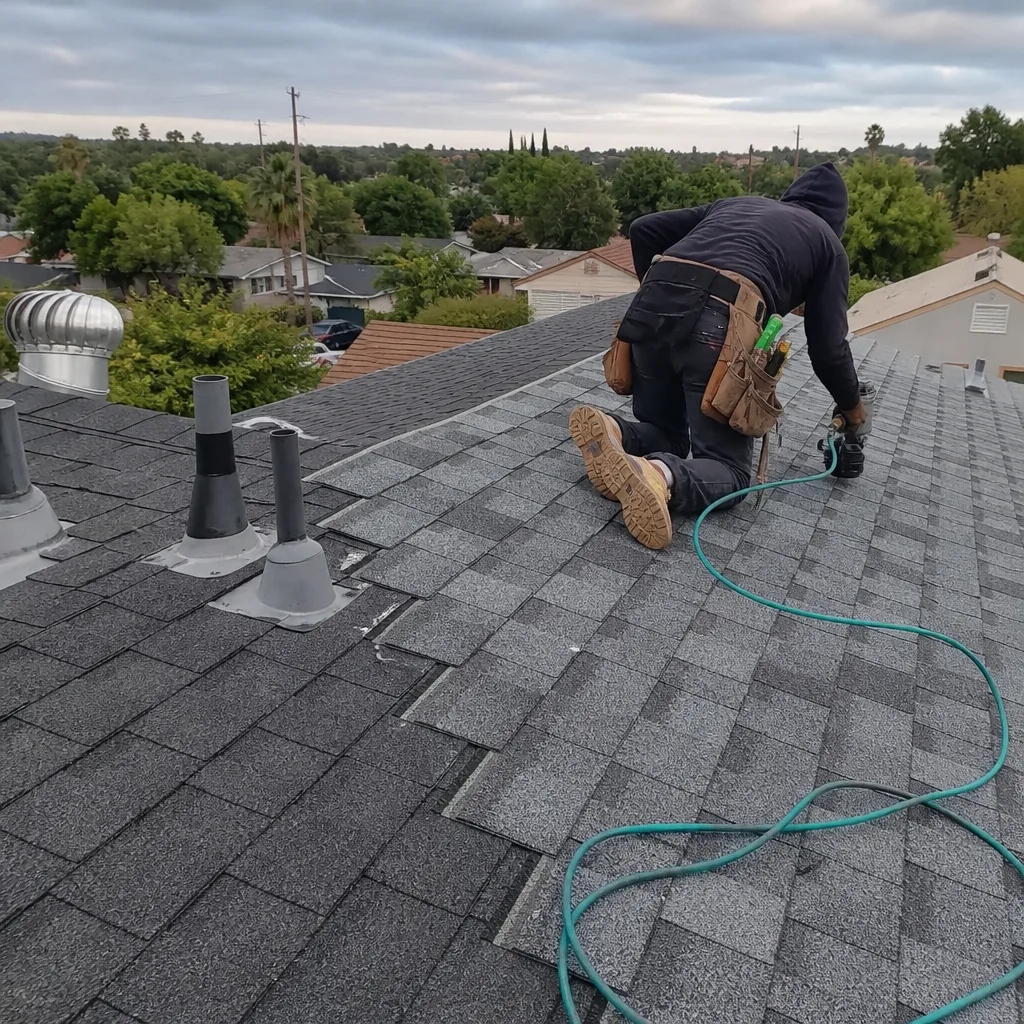
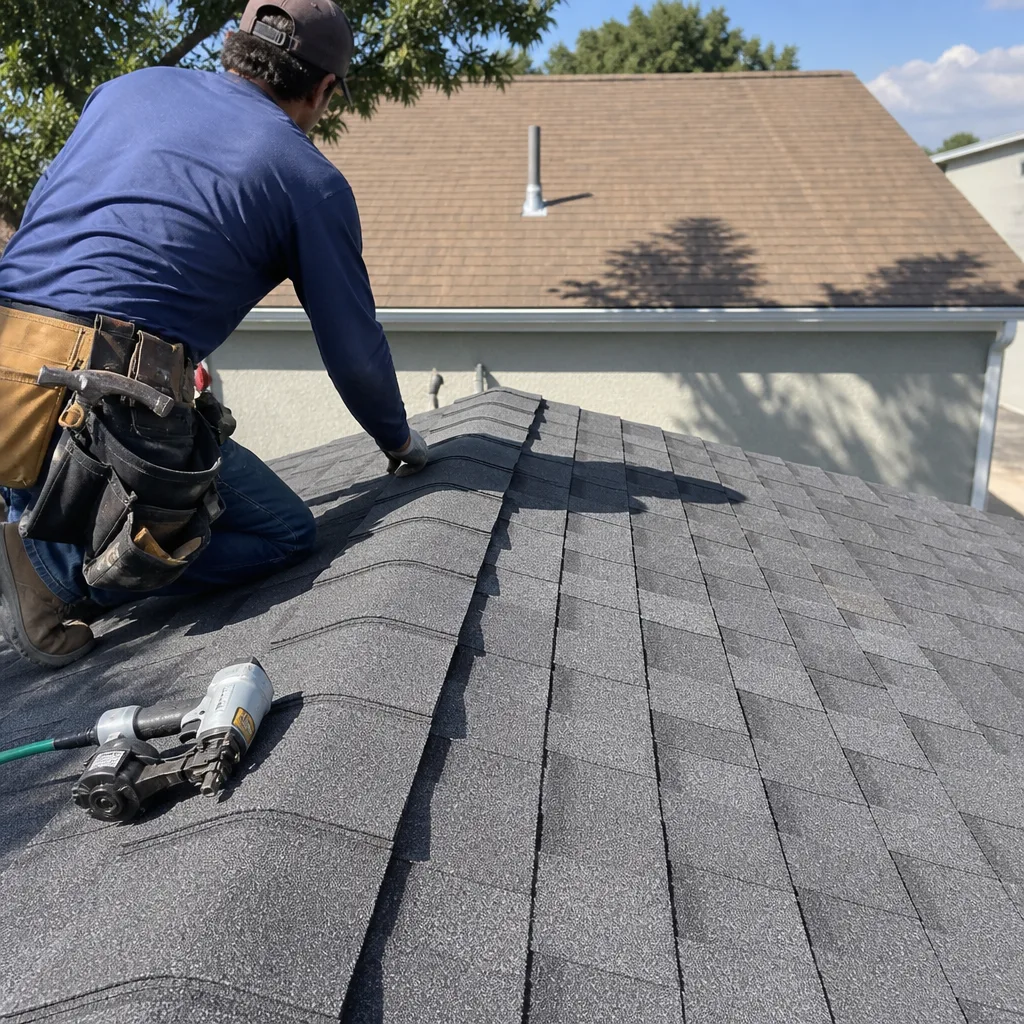
See the difference
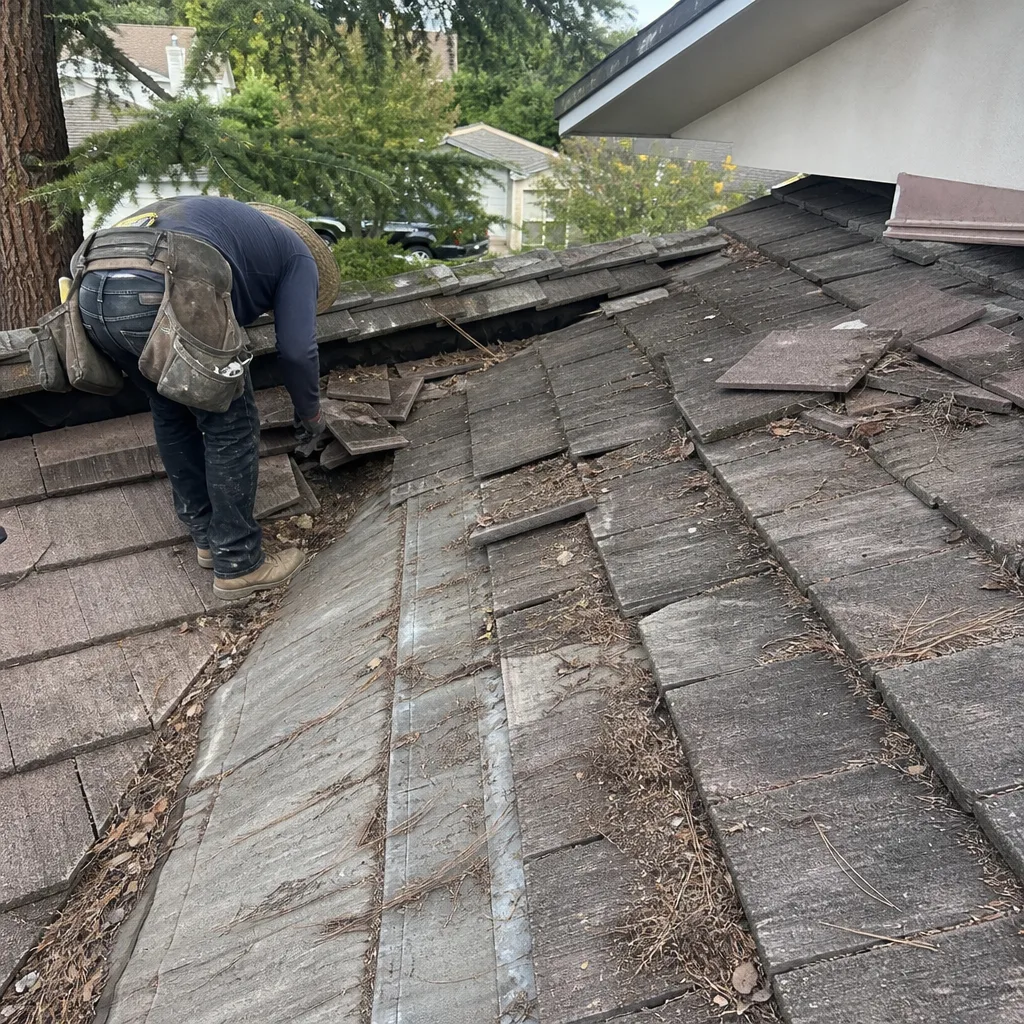 Before
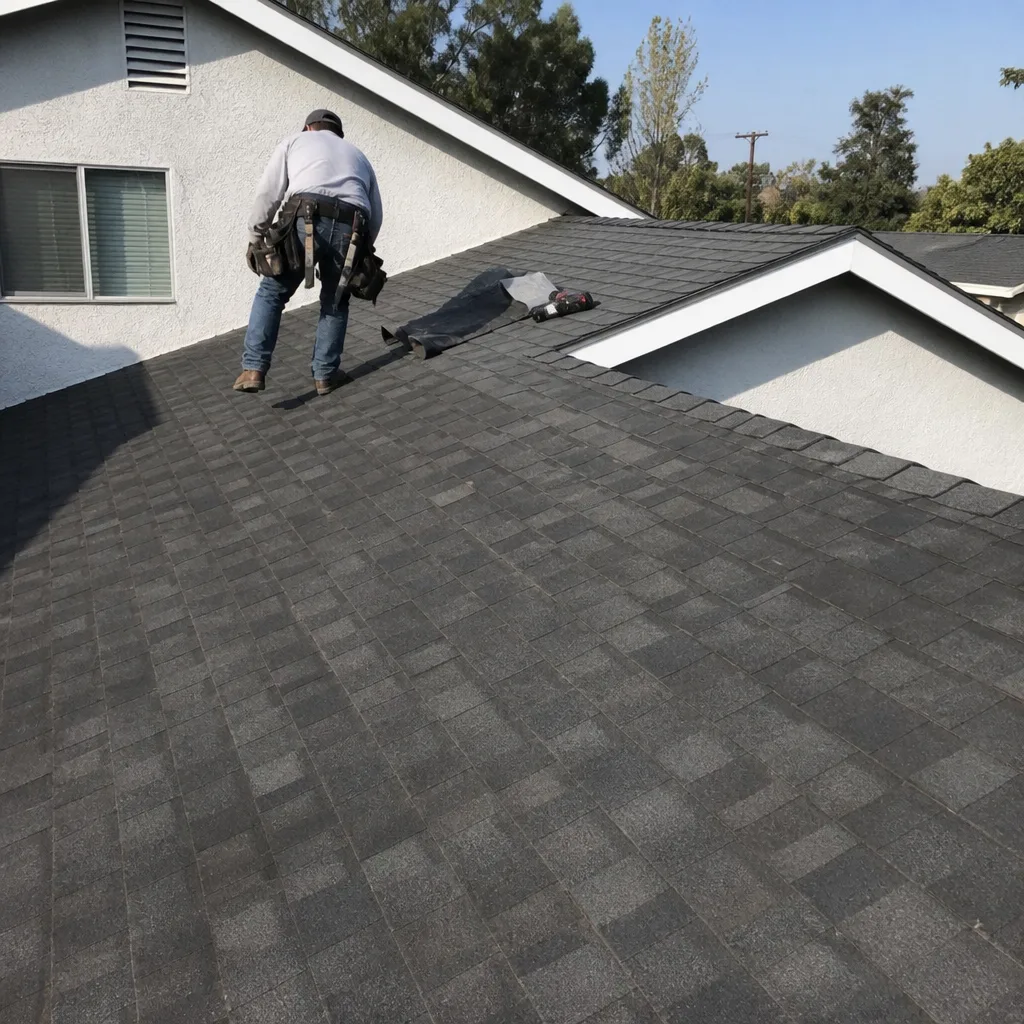 After
After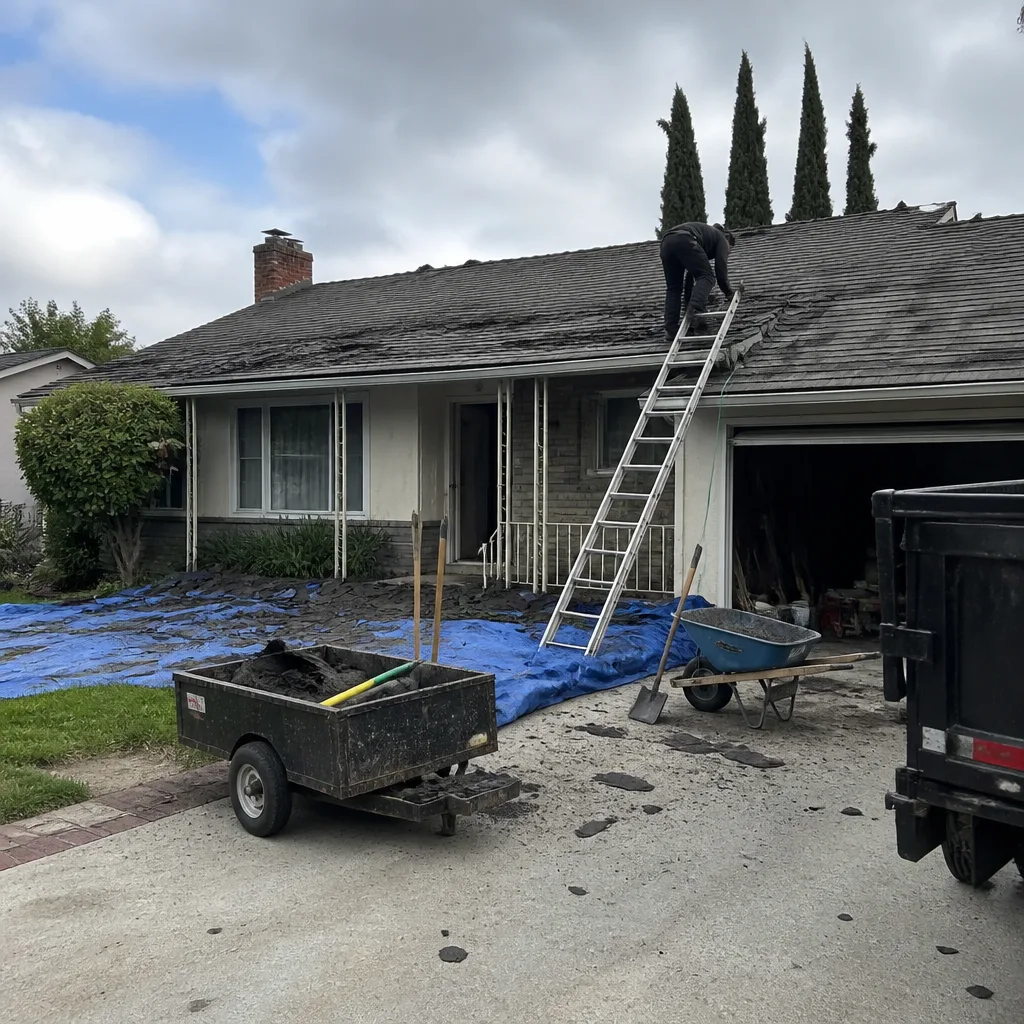 Before
 After
After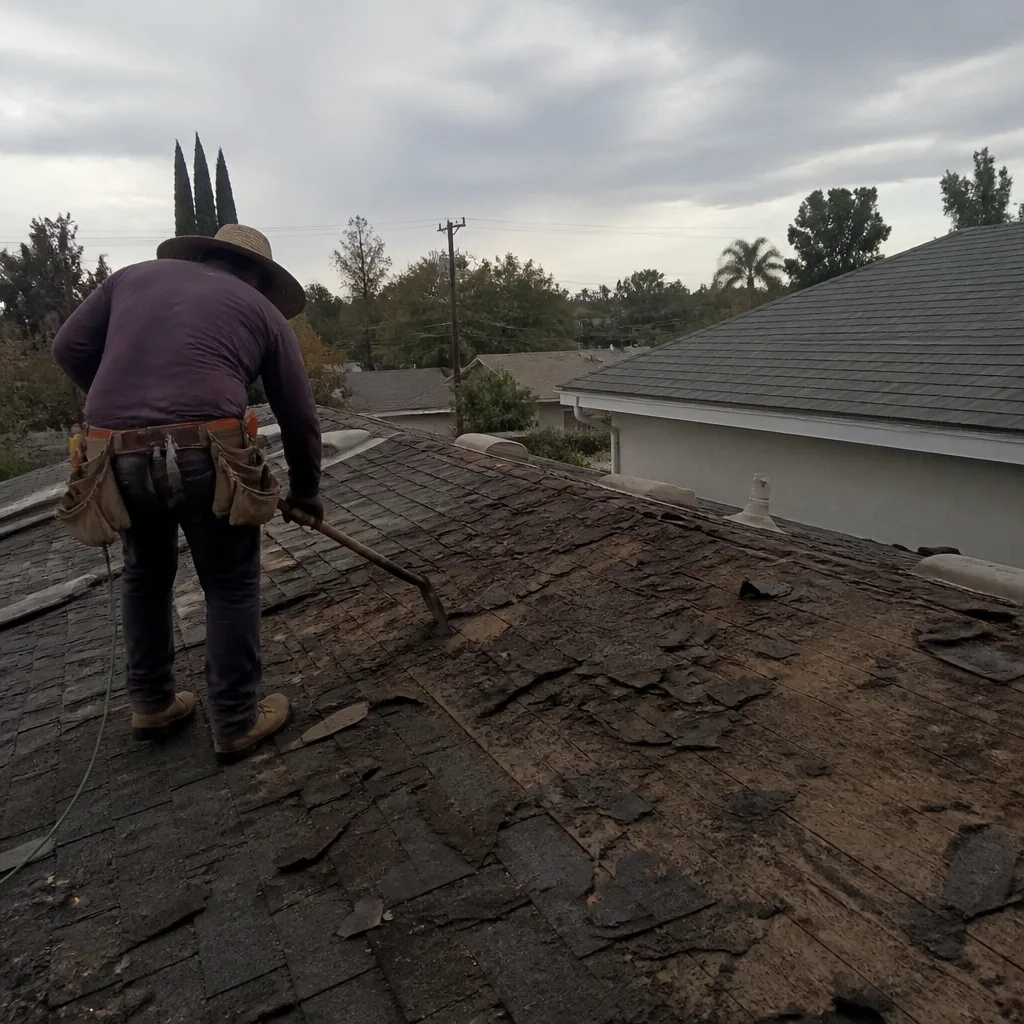 Before
 After
After