
Last updated October 17, 2026
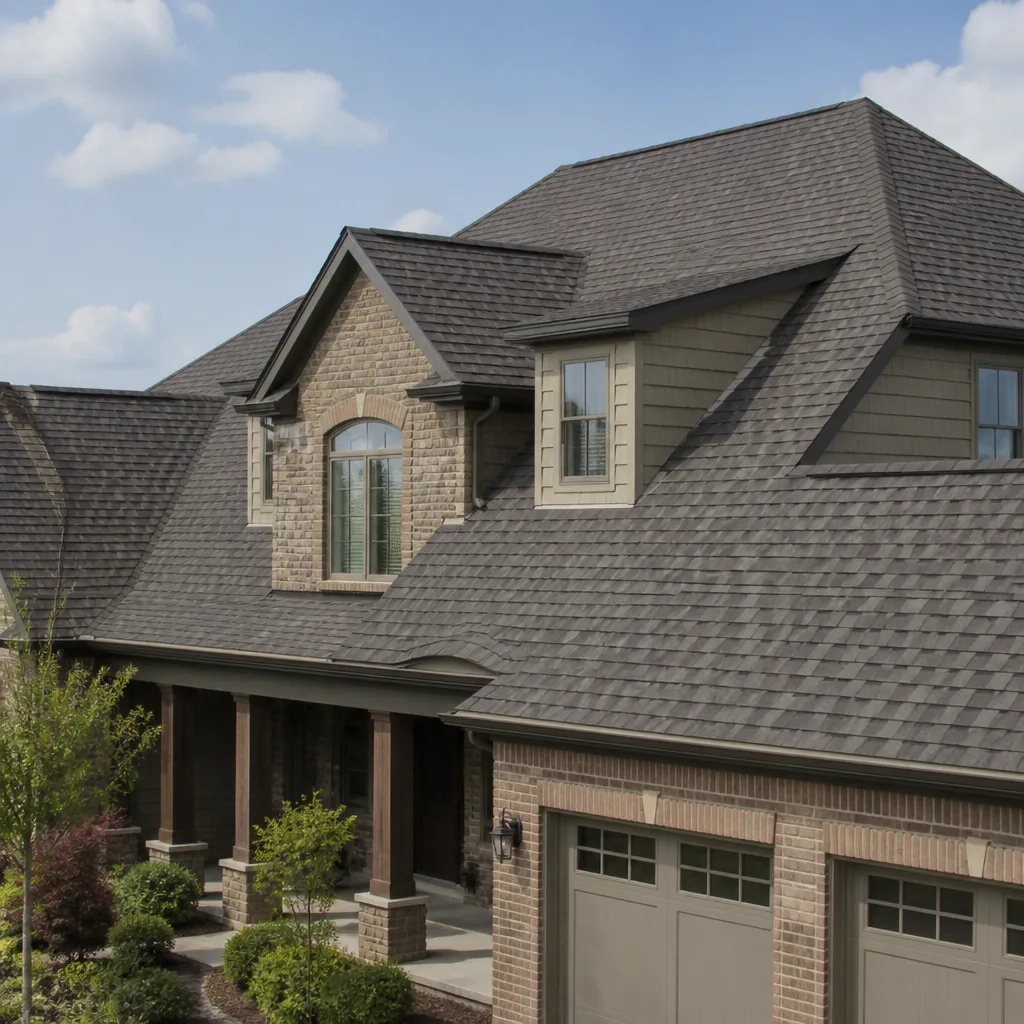 Architectural shingles
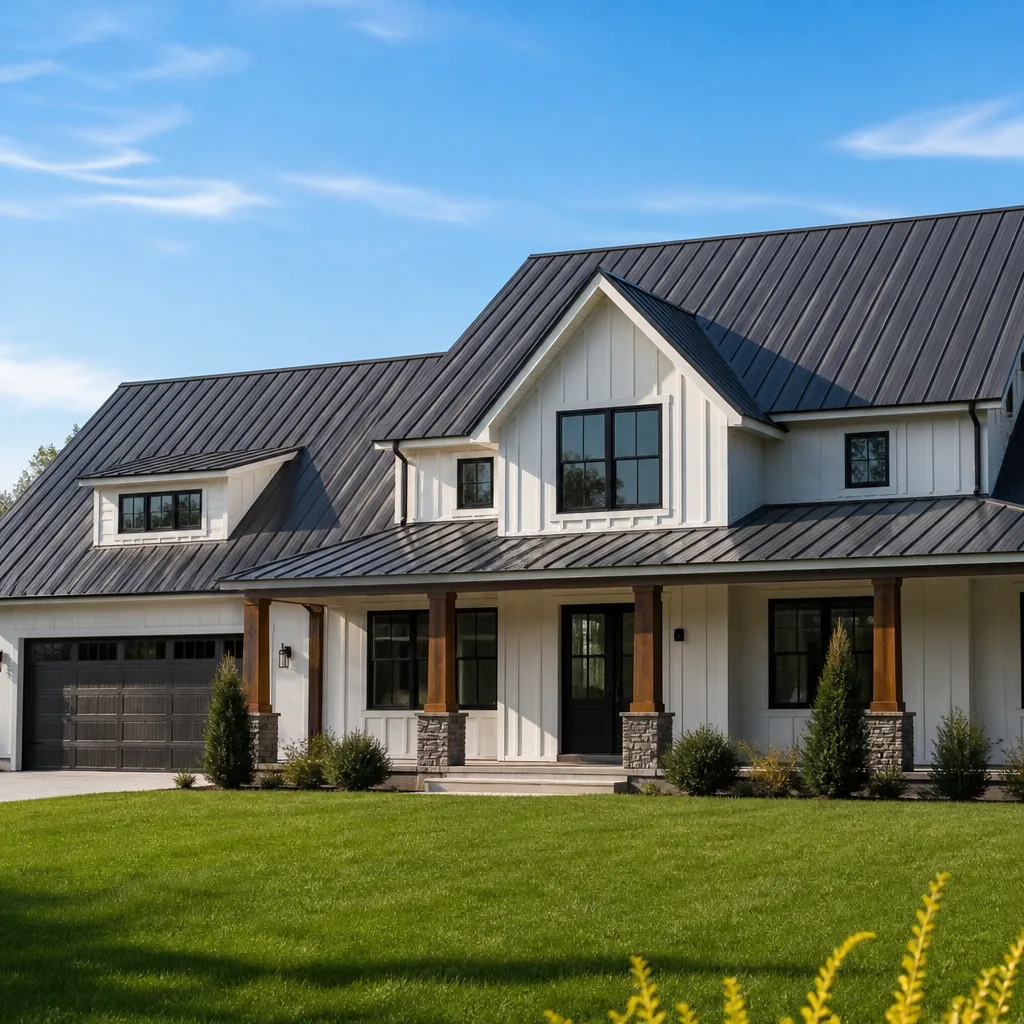 Metal roofing
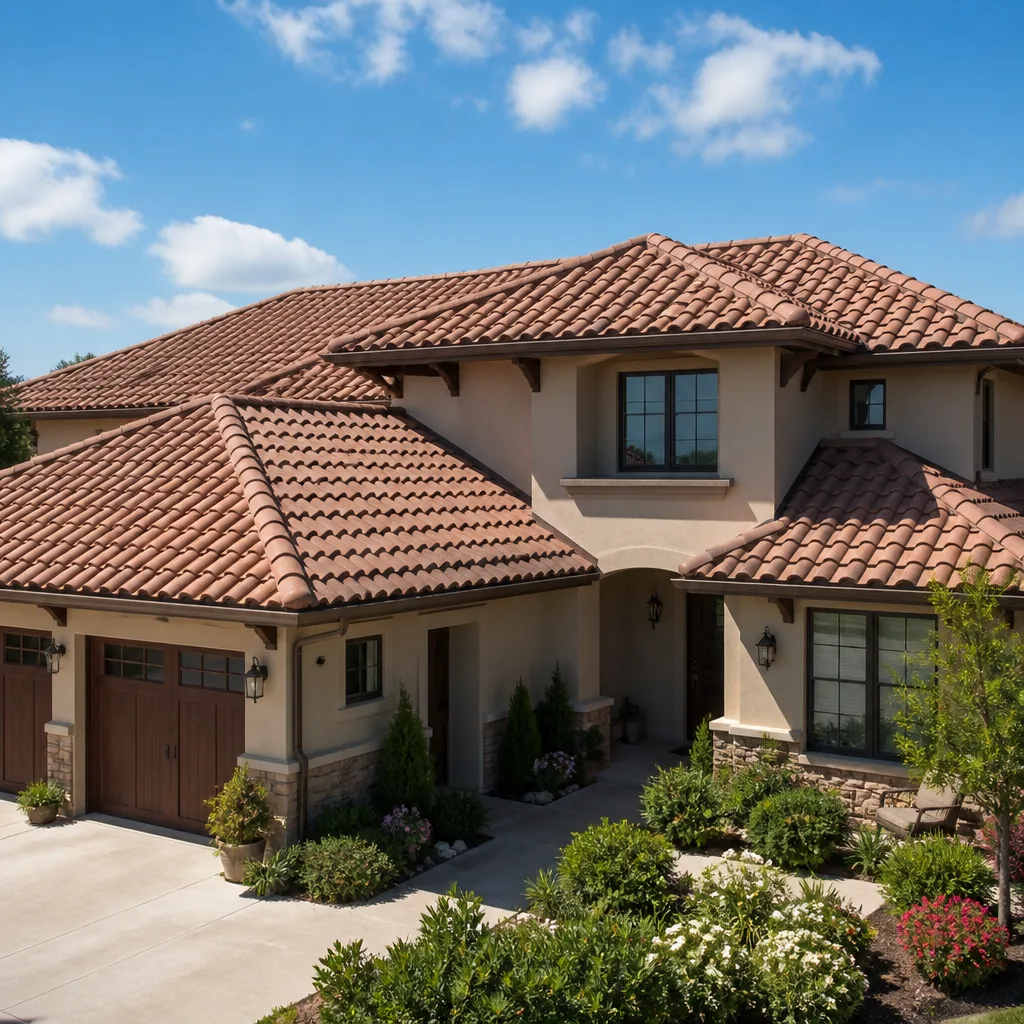 Tile roofing
 GAF
GAF Owens Corning
 Flat & low-slope
Free roof inspection with deck photos before we talk money - GAF and Owens Corning certified installation
Roof Repair Maintenance Checklist for West Covina Homeowners
A cracked pipe boot flashing costs about $150 to fix in the spring. Left alone through one rainy season, the resulting deck rot can add $1,800 to the repair bill. That’s the kind of math most more guides & resources never do for you. This checklist is different. We’re going to walk through every inspection point on a West Covina roof, tie each one to a specific dollar risk, and show you how to prioritize like a contractor would, so a $150 spring fix never becomes a $2,400 winter emergency.
Quick Answer
A West Covina roof maintenance checklist should focus on six areas: interior ceilings and attic surfaces, pipe boot flashings, valley flashings, ridge caps, south- and west-facing shingle slopes, and gutter debris. Most repairs caught early cost between $150 and $600, while the same problem ignored through one rainy season can run $1,800 to $5,000. Walk your attic after the first fall rain, check your ceilings for water stains, and inspect the roof from the ground with binoculars every spring and fall.
Styles & brands we work with
Table of Contents
- The Interior Checklist: What Your Ceiling and Attic Tell You First
- Heat Fatigue in West Covina: Why South and West Slopes Fail First
- Pipe Boot Flashings: The $150 Fix That Becomes a $1,800 Problem
- Valley Flashings and Ridge Caps: The Two Highest-Failure Points in the San Gabriel Valley
- The Ground-Level Inspection: What Binoculars Can Catch Before You Call Anyone
- The Cost-Consequence Table: Every Item, Priced Now vs. Later
- Maintenance Mistakes That Void a Manufacturer’s Shingle Warranty
- A Seasonal Maintenance Schedule for West Covina’s Climate
The Interior Checklist: What Your Ceiling and Attic Tell You First
You don’t need a ladder to catch most roof problems early. You need a flashlight and ten minutes in your attic after the first fall rain. West Covina’s dry summers bake shingles and dry out sealants, which means the first real rain of the season is when hidden cracks reveal themselves. Here is the room-by-room interior pass we recommend before you ever step outside.
- Ceiling stains in every room. Walk each room and look at the ceiling corners where walls meet. A yellow or brown ring means water has pooled above the drywall. Stains near exterior walls usually point to fascia or eave damage. Stains in the center of a ceiling often mean a pipe boot or vent flashing above.
- Bathroom exhaust fans. Turn off the lights and look at the fan housing. Rust streaks or water spots mean the roof vent above it is leaking. This is a common West Covina issue because exhaust vents are often sealed with a rubber boot that dries out and cracks in the heat.
- Attic daylight test. On a sunny afternoon, turn off the attic light and let your eyes adjust. If you see pinpricks of daylight through the roof deck, you are seeing holes that water will find. Any visible light means a direct path for rain.
- Rafter and decking stains. Shine your flashlight along the underside of the roof decking. Dark streaks, white powdery residue, or soft wood are all signs of active or past leaks. Press a screwdriver tip into any suspicious area. If it sinks easily, the decking is compromised and will need replacement when the leak is addressed.
- Insulation condition. Wet insulation loses its R-value and holds moisture against the decking. If the insulation in your attic feels damp, heavy, or matted down, you have a leak somewhere above it. Dry it out or replace it after the roof repair is complete.
None of this requires a ladder, and none of it should wait for a roofer to show up. You can do this walkthrough in under fifteen minutes. What you find determines whether you need a quick repair or something more involved. If you spot staining but can’t identify the source, our team at Roof Repair in West Covina can trace the leak from the interior and give you a written price before any work starts.
Heat Fatigue in West Covina: Why South and West Slopes Fail First
West Covina summers routinely push attic temperatures above 140 degrees, and your roof takes the brunt of that heat every single day from June through October. Shingles don’t fail evenly across the roof. They fail on the slopes that get the most direct afternoon sun: the south-facing and west-facing planes. This is not a generic roofing observation. It’s a geographic fact of living in the San Gabriel Valley, and it changes how you should inspect your roof.
What you’re looking for on south and west slopes is called granule loss. Asphalt shingles are coated with ceramic granules that protect the asphalt from UV radiation. When those granules bake off, the asphalt underneath dries out, becomes brittle, and starts to crack. You’ll see this as bald patches, a shiny or glassy appearance, or excessive granules collecting in your gutters below those specific slopes. The north-facing slope on the same roof will often look five years younger because it never takes direct afternoon sun.
We’ve inspected roofs in West Covina where the south slope needed replacement while the north slope had years of life left. That’s normal here, and it’s worth knowing before a contractor tells you the whole roof is shot. Some situations call for replacing only the failing slope if the shingle match is close enough and the underlying decking is sound. Others call for a full replacement when both slopes are within a few years of the end of their service life.
During your spring and fall checks, pay twice as much attention to south- and west-facing planes. Use binoculars from the ground to look for inconsistent color, and check the gutters beneath those slopes for granule buildup. A light dusting of granules is normal. A visible layer of granules in the gutter after every rain means the shingles above are degrading faster than they should. If you want a second set of eyes on it, Crestview Roofing Co West Covina home offers a free estimate and will give you a written, line-item price for any repair or replacement before you commit to anything.
Pipe Boot Flashings: The $150 Fix That Becomes a $1,800 Problem
Every pipe that pokes through your roof, whether it’s a plumbing vent, a furnace flue, or a bathroom exhaust vent, has to be sealed where it penetrates the shingles. The most common seal is a pipe boot: a flexible rubber or neoprene collar that wraps around the pipe and flares out under the surrounding shingles. In West Covina’s heat, that rubber dries out, cracks, and splits. The result is a slow leak that drips into the attic every time it rains.
The fix is genuinely cheap. A roofer pulls the surrounding shingles, removes the old boot, slides on a new one, re-seals everything, and you’re done. Most pipe boot replacements in West Covina run between $150 and $350 depending on accessibility and roof pitch. The problem is that most homeowners never know the boot has failed until the ceiling below shows a stain. By then, water has been soaking the roof deck, the insulation, and possibly the drywall for months.
Here’s the cost math nobody puts in a maintenance guide. A cracked pipe boot left through one West Covina rainy season can soak the plywood decking around the penetration. Wet decking rots. Rotted decking has to be cut out and replaced before new shingles go down. That repair now involves a roofer, new lumber, new underlayment, new shingles, new insulation, and likely drywall patching inside the house. $150 becomes $1,800 to $2,400, and that’s if the leak stayed contained.
Check your pipe boots twice a year. From the ground with binoculars, they look like black rubber collars around upright pipes. If you can see cracks, gaps, or the collar has pulled away from the pipe, schedule a repair. If you’re not sure what you’re looking at, write down the approximate location of each pipe and check the attic beneath it after the next rain. Wet insulation or a stained rafter tells you everything.
Valley Flashings and Ridge Caps: The Two Highest-Failure Points in the San Gabriel Valley
If you want to know where roofs leak first in West Covina, look at the valleys and the ridge. Valleys are the V-shaped channels where two roof planes meet. Ridge caps are the shingles that run along the peak of the roof. Both take the hardest beating from wind, rain, and sun, and both are the least likely to be inspected by a homeowner who doesn’t know what to look for.
Valley flashings in West Covina are typically either woven shingle valleys or metal open valleys. Woven valleys are installed by interleaving shingles across the valley line, which creates a continuous surface but also creates a spot where water slows down and has time to find any weakness. Metal valleys, usually galvanized steel or aluminum, direct water down the valley faster. Both fail eventually. Metal valleys corrode or pull loose at the seams. Woven valleys fail when the shingles in the valley crack or lift from heat.
From the ground, look at the valley line with binoculars. You’re checking for three things: missing shingles anywhere along the valley, exposed nails or gaps in the metal, and debris that’s been sitting in the valley long enough to trap moisture. In West Covina’s fall season, leaves from oak and sycamore trees pile into valleys and hold water against the flashing, which accelerates corrosion. Keep valleys clean or pay for the repair sooner than you should.
Ridge caps fail differently. They’re the shingles at the very top of the roof, and they’re installed by bending standard shingles over the ridge or using factory-made cap shingles. The problem in Southern California is the sealant strip on ridge caps bakes in the heat and lets go. Once the sealant fails, the cap shingle can lift in a Santa Ana wind event and take off entirely. A missing ridge cap opens a direct channel for rain to enter the attic.
Check your ridge line from the ground after every major wind event. Look for gaps, lifted corners, or shingles that have shifted out of line. If you see any of it, the repair is relatively inexpensive, usually between $200 and $500, because ridge caps are accessible and don’t require disturbing large sections of the roof. If you ignore a missing ridge cap through a wet winter, the cost goes up with every rain.
The Ground-Level Inspection: What Binoculars Can Catch Before You Call Anyone
You do not need to climb on your roof to do a meaningful inspection. In fact, we’d rather you didn’t. Walking on a roof you don’t know well can cause more damage than it finds, especially on older shingle roofs where granules are already loose. A pair of binoculars from the sidewalk or the backyard gives you a clear view of most failure points without putting weight on the roof or risking a fall.
Here’s the ground-level pass we recommend for West Covina homeowners twice a year.
- Start at the curb. Stand across the street and look at the overall roof plane. Check for sagging lines, shingles that look out of place, or a general difference in color between slopes. A sag is a structural issue and needs attention immediately.
- Move to each corner of the house. From each corner, look up the roof slope. Check for lifting shingles, exposed nails, and granule loss. Pay attention to the south and west slopes for heat fatigue.
- Examine the valleys. Use the binoculars to follow each valley line from the eave to the ridge. Look for missing shingles, exposed metal seams, and debris accumulation.
- Check every penetration. Pipe boots, vent caps, chimney flashing, and skylights. Each one is a potential leak point. Look for cracked rubber, lifted flashing, or caulk that has pulled away.
- Scan the ridge line. Follow the ridge cap from one end to the other. Look for gaps, lifted shingles, or missing caps.
- Inspect the gutters and fascia. From the ground, check for sagging gutters, pulled-away fascia boards, and granule buildup in the gutter troughs. Granules in the gutter are direct evidence of shingle wear above.
This entire pass takes twenty minutes. Write down what you find, take photos if you can, and you’ll have a clear picture of your roof’s condition before you ever talk to a contractor. If you find something you’re unsure about, we’re always available to take a look. Our Roof Installation in West Covina team sees these issues every day and can tell you what’s urgent and what can wait.
The Cost-Consequence Table: Every Item, Priced Now vs. Later
Most maintenance checklists tell you what to look at. They never tell you what it costs if you ignore it. Here’s the table we wish every West Covina homeowner had before their first repair. These are real price ranges based on the work we do in this market, and they assume a standard single-family home with a composition shingle roof.
- Cracked pipe boot flashing: $150 – $350 now. $1,800 – $2,400 after one rainy season, once deck rot sets in.
- Missing ridge cap shingle(s): $200 – $500 now. $800 – $1,600 after a rain event soaks the attic insulation and decking.
- Failed valley flashing seam: $300 – $700 now. $1,200 – $3,000 if water tracks down the valley and into the ceiling below.
- Clogged gutters causing overflow: $100 – $200 for a professional gutter cleaning. $600 – $1,500 if overflow rots the fascia board and eave edge.
- Granule loss on south slope (early): $400 – $900 for targeted shingle replacement. $12,000 – $20,000 for a full replacement if the decking and underlayment fail.
- Chimney flashing separation: $350 – $800 now. $2,000 – $5,000 if water gets behind the chimney and into the firebox and living space.
- Skylight seal failure: $250 – $600 now. $1,500 – $3,500 if the leak spreads into the ceiling drywall and requires interior repair.
The pattern is consistent. The repair you do today costs a few hundred dollars. The repair you defer costs thousands, because water damage doesn’t stay where it starts. It spreads through decking, insulation, drywall, and paint. West Covina’s long dry season is what makes deferral feel safe, right up until the first atmospheric river hits. Don’t let the dry season talk you into waiting.
Maintenance Mistakes That Void a Manufacturer’s Shingle Warranty
Here’s something most homeowners never hear until it’s too late: certain maintenance tasks, if done by an unlicensed or unqualified person, can void the manufacturer’s warranty on your shingles. GAF, CertainTeed, Owens Corning, and other major brands all include workmanship and maintenance clauses in their warranty language. What that means in plain English is: if you damage the shingles while trying to maintain them, the manufacturer has no obligation to cover the resulting roof failure.
The most common warranty-voiding mistakes we see in West Covina include pressure washing shingles, which strips granules and exposes the asphalt to UV damage. It also includes walking on the roof with improper footwear or during hot weather, which can tear shingles and break their seal. Some homeowners attempt to re-seal lifted shingles with hardware-store caulk or roofing tar, which not only fails but leaves residue that makes a proper repair more difficult and may be cited by a manufacturer’s claims adjuster as improper maintenance.
Another warranty trap is the DIY pipe boot replacement. It looks simple, but if the surrounding shingles are not correctly re-seated and the nails are placed outside the manufacturer’s nail line, the installation no longer meets the manufacturer’s specification. That gives the manufacturer a reason to deny a future claim. The materials are not the problem; the execution is.
If you want to protect your warranty, do the visual inspections yourself and leave the hands-on repairs to a licensed contractor. We work with shingles from GAF, CertainTeed, Owens Corning, IKO, Atlas, Tamko, and Boral, and we install every repair to the manufacturer’s spec. That keeps your warranty intact and puts the liability where it belongs: on us. Our 365-Day Done Right Promise means any covered repair that fails within a year is corrected at no charge. That’s on top of the manufacturer’s warranty, and it’s in writing on every job.
A Seasonal Maintenance Schedule for West Covina’s Climate
West Covina has a Mediterranean climate with a long, hot, dry summer and a short, wet winter. Your maintenance schedule should follow that pattern. Here’s how we recommend spacing things out.
Early Fall (September – October)
- Do the full interior checklist after the first rain of the season.
- Clean all gutters and downspouts. Pay special attention to valleys that collect leaf debris.
- Inspect pipe boots and vent flashings. Late summer is when heat cracks show up.
- Check the ridge line for lifted or missing cap shingles after the first Santa Ana wind event.
Late Fall (November – December)
- Re-check the attic after the first extended rain event. Look for any new staining.
- Inspect the south and west slopes for post-summer granule loss.
- Clear valleys of any remaining debris before winter rains peak.
Early Spring (March – April)
- Do another full ground-level inspection with binoculars.
- Look for damage from winter storms: lifted shingles, exposed nails, loose flashing.
- Schedule any deferred repairs before the heat returns and makes attic work unbearable.
Late Spring (May – June)
- Check for heat-related curling or lifting on south and west slopes as temperatures climb.
- Inspect skylight seals and caulk around all roof penetrations.
- If your roof is over 15 years old, consider a professional evaluation to plan for replacement before the next rainy season.
Common Mistakes to Avoid
- Inspecting only after a leak appears. By the time water reaches your ceiling, the damage has been happening for weeks or months. The interior checklist should happen before the leak, not after.
- Ignoring the south and west slopes. In West Covina, those slope faces age faster than the rest of the roof. If you only check the north side because it’s easier to see from the street, you’re checking the wrong side.
- Pressure washing shingles. The pressure strips granules off the shingle surface, which accelerates UV damage and shortens the life of the roof. It also typically voids the manufacturer’s warranty.
- Using roofing tar as a fix. Tar is not a flashing replacement. It cracks, peels, and makes the eventual proper repair harder. It’s a band-aid that costs more later.
- Climbing on the roof without experience. Walking on a shingle roof without knowing where to step can tear shingles and break seals. It’s also a fall risk. Use binoculars from the ground.
- Deferring a $300 repair because summer is coming. The dry season is exactly when repairs are easiest and cheapest. Waiting until winter means competing with every other homeowner’s emergency call and paying premium pricing for rushed work.
- Hiring a roofer who won’t put the price in writing first. If a contractor quotes one number on the phone and a different number at the door, walk away. A written price before work starts is the single strongest trust signal in this industry.
See the difference
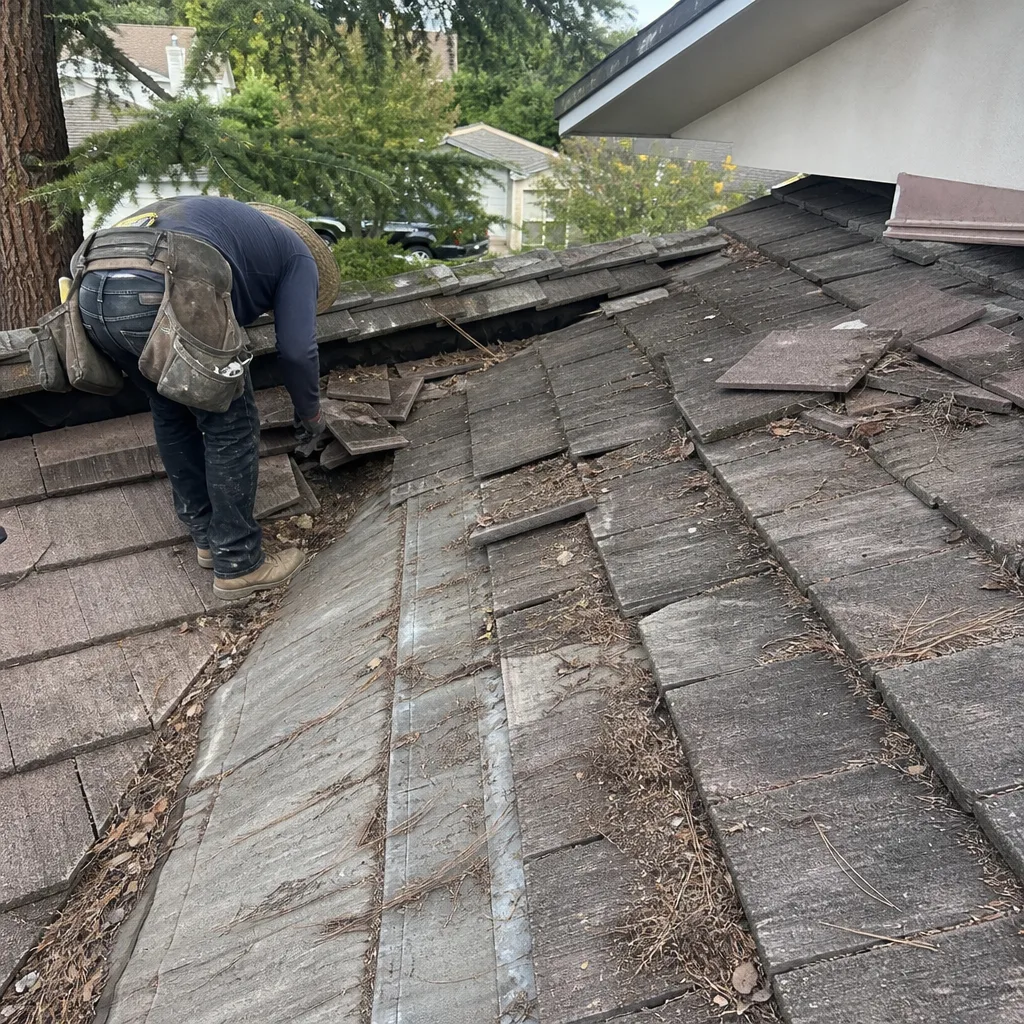 Before
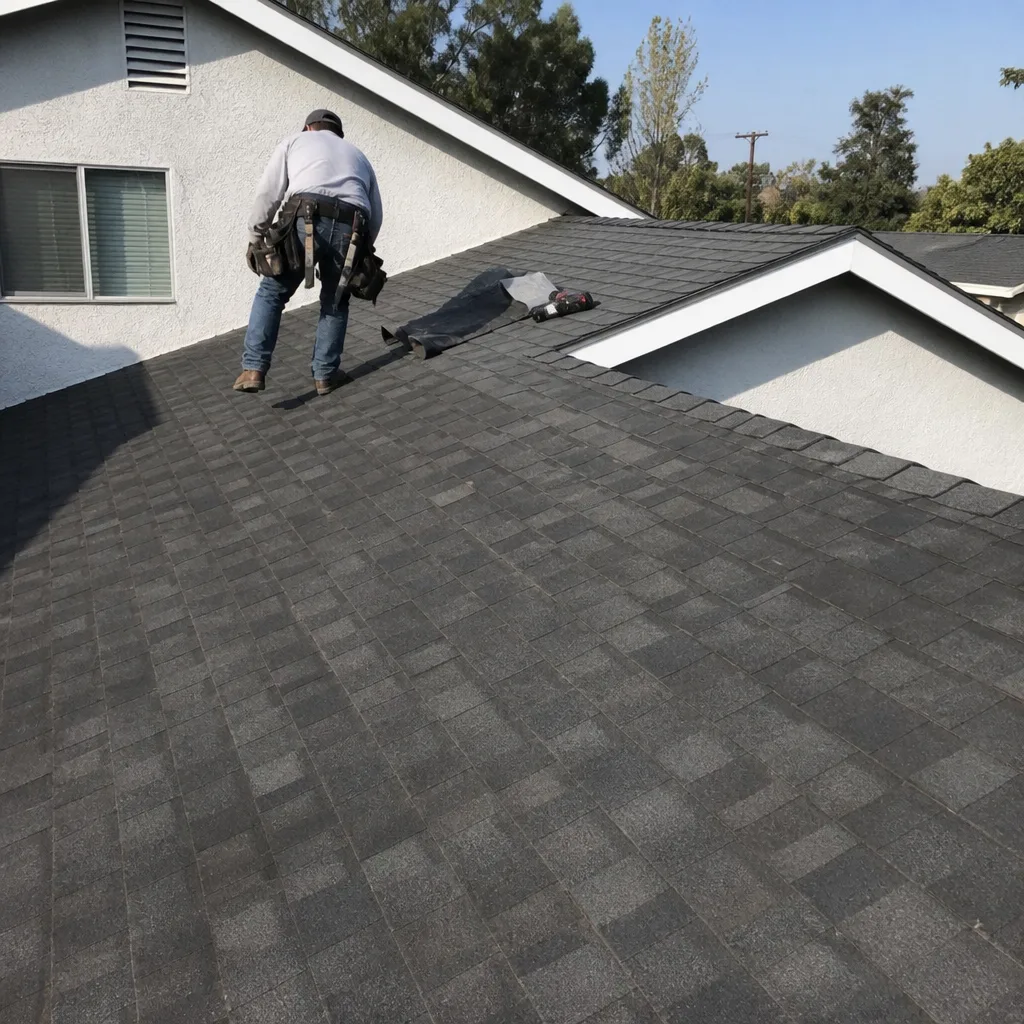 After
After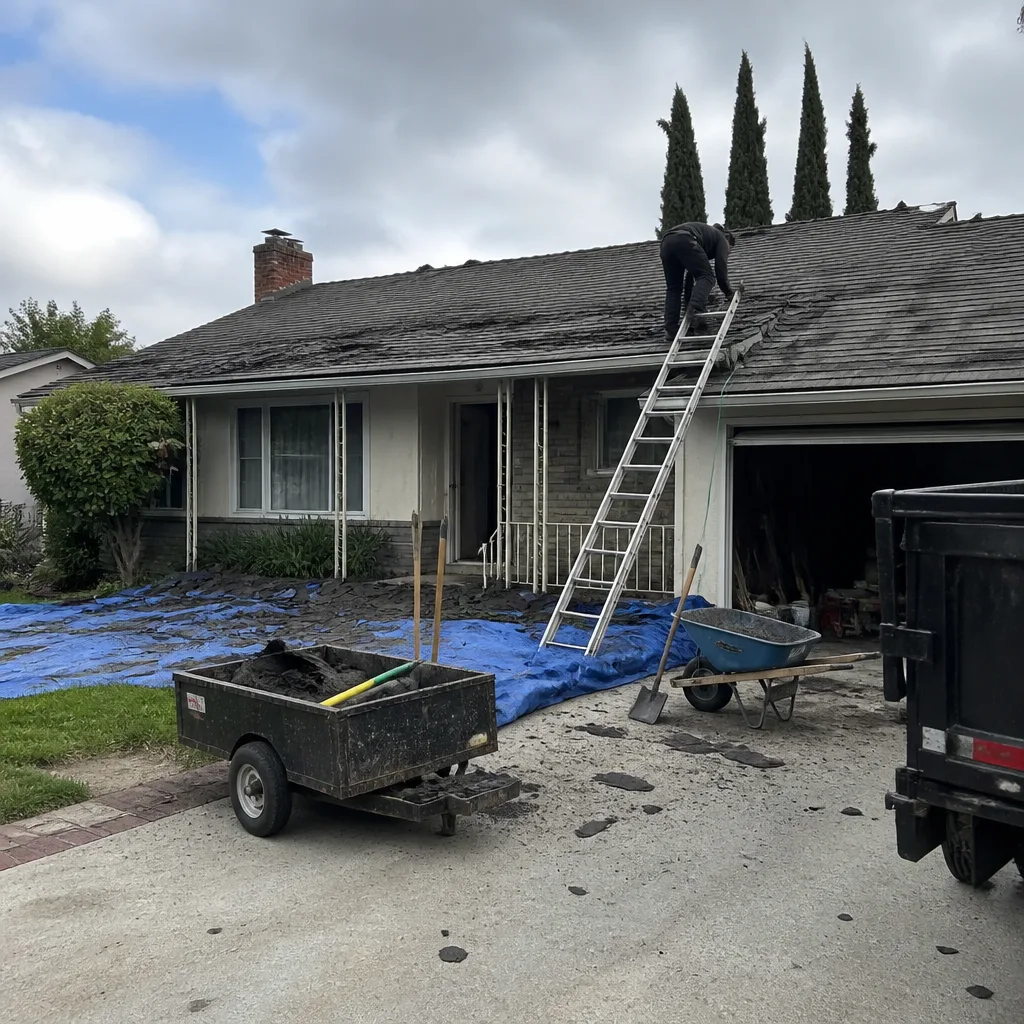 Before
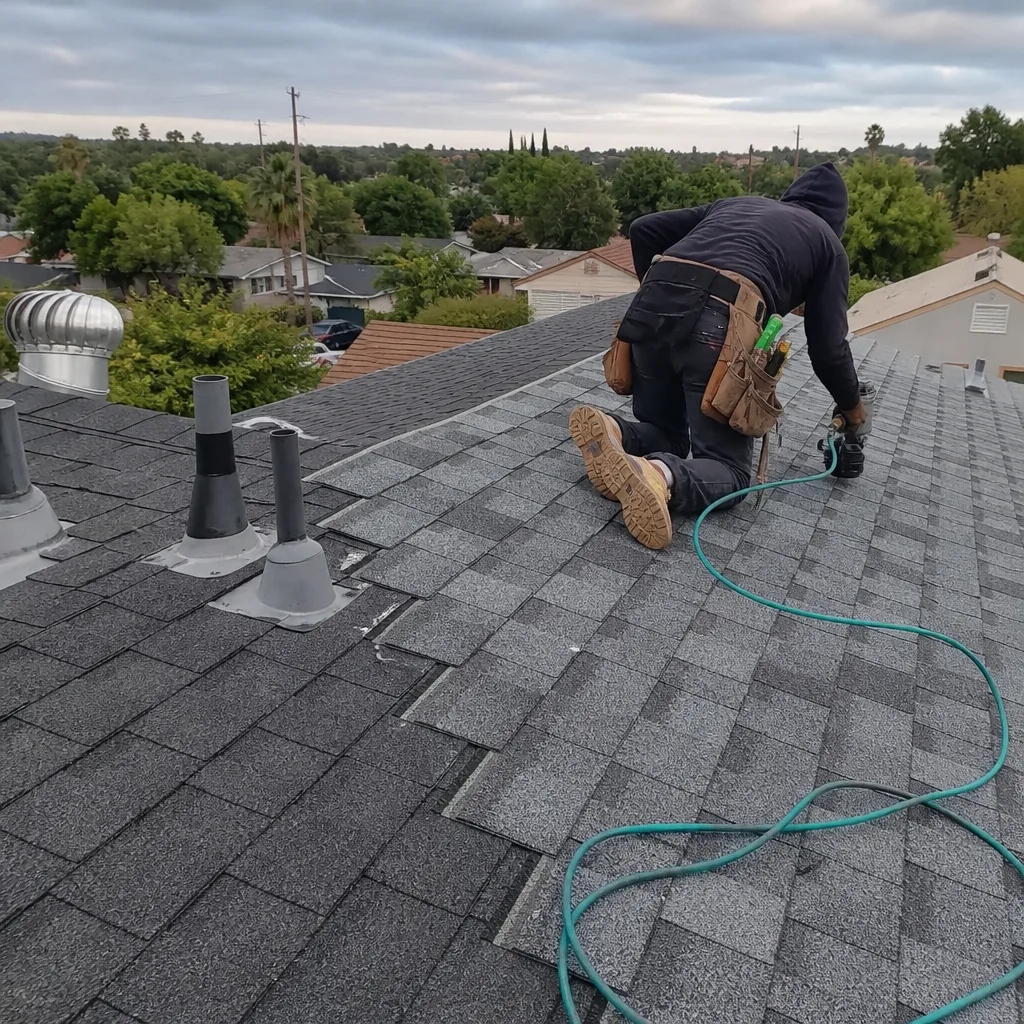 After
After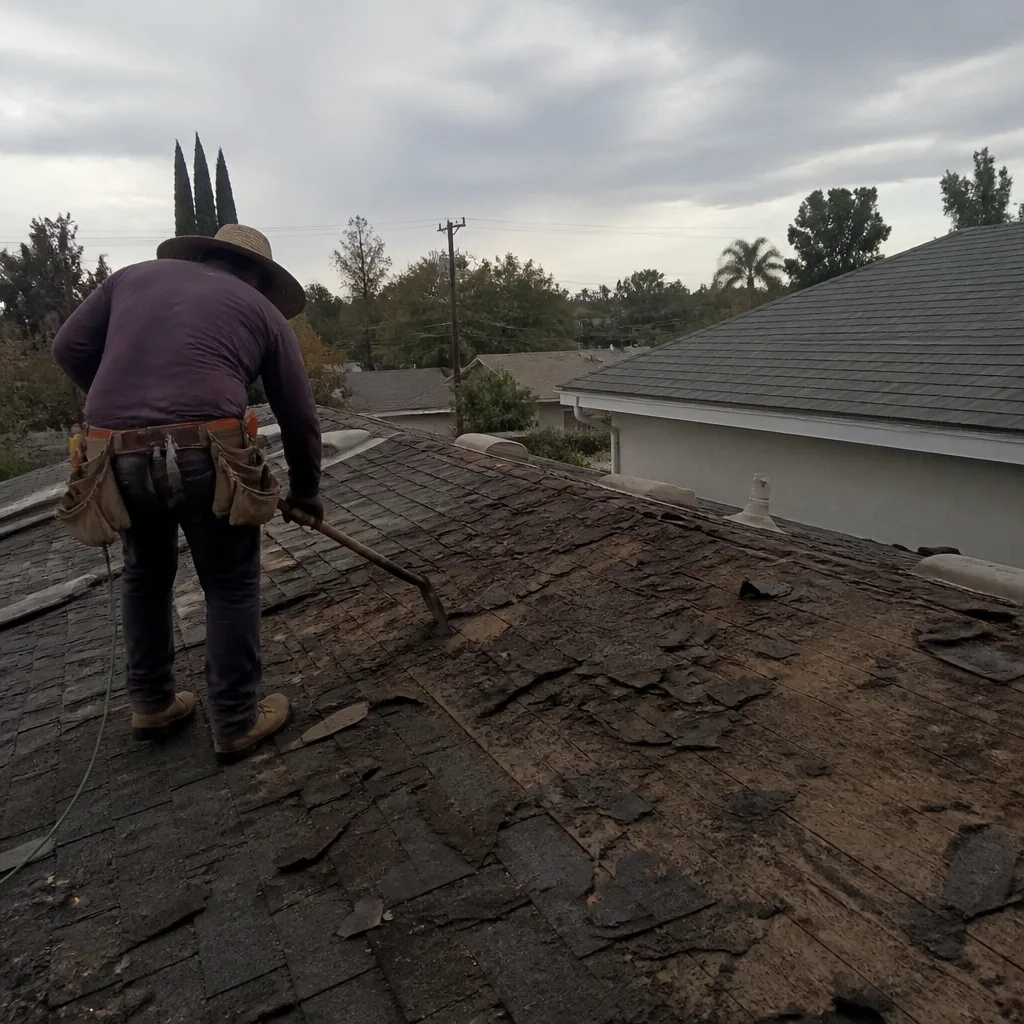 Before
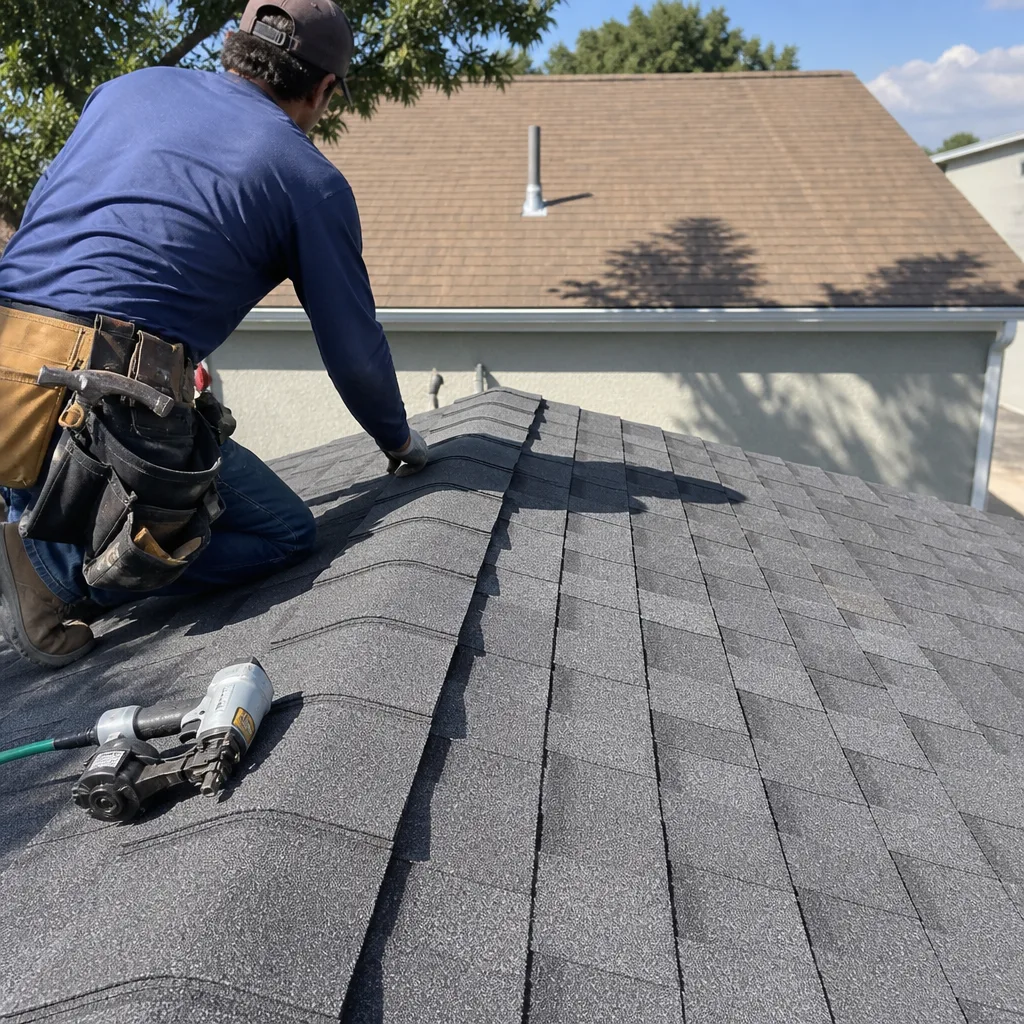 After
AfterWhen to Call a Professional
Some findings on this checklist are informational. Others are a reason to pick up the phone. Call a professional if you see water staining on a ceiling, if your attic insulation is wet, if a pipe boot is visibly cracked, or if a valley flashing has pulled loose. Also call if you see a sag in the roof plane or if more than a few ridge cap shingles are missing. These are not wait-and-see situations. A roof in West Covina goes through extreme heat for most of the year and heavy rain for a few months, and the combination accelerates every problem you ignore. Crestview Roofing Co West Covina offers free estimates in West Covina, and our process is built around visibility: a written price before any work begins, before-and-after photos of every repair, and a live arrival time you can track. Call (831) 777-6412 to schedule yours.
Frequently Asked Questions
A visual roof inspection in West Covina typically costs between $150 and $400 if billed as a standalone service, but many roofing companies, including Crestview Roofing Co West Covina, offer free estimates for homeowners who are considering a repair or replacement. If you’re preparing to sell a home and need a documented inspection for a disclosure packet, expect to pay on the higher end because the report carries liability. Call (831) 777-6412 to schedule a free estimate with a written line-item price for any work we recommend.
Twice a year is the standard, and in West Covina the timing matters: once in early fall before the rainy season and once in early spring after winter storms. If your roof is over 15 years old, consider adding a third check in mid-summer to catch heat-related cracking on south and west slopes. After any major Santa Ana wind event, do a quick ground-level check for lifted ridge caps and missing shingles regardless of the season.
Pipe boot flashing failures are the most common roof problem we see in West Covina, followed by valley flashing leaks and ridge cap deterioration. The heat dries out rubber pipe boots until they crack, and the first significant rain of the season turns those cracks into active leaks. Most pipe boot replacements cost between $150 and $350 if caught early. Call (831) 777-6412 for an exact quote – estimates are free.
Homeowners insurance in California typically covers sudden and accidental roof damage, such as storm damage from wind or a tree fall, but it does not cover routine maintenance or wear-and-tear repairs. If a pipe boot fails because it dried out from age, that’s a maintenance issue and the repair is on you. If a tree branch falls through the roof during a Santa Ana wind event, that’s a covered peril. Document everything with photos before you file a claim, and get a written estimate from a licensed roofer to support your claim amount.
Yes, and you should. Use binoculars from the ground to check the ridge line, valleys, pipe boots, and shingle condition on all visible slopes. Go into the attic with a flashlight after rain to check for wet insulation, staining on the decking, and visible daylight through the roof. Neither of these inspections requires a ladder, and they catch the vast majority of problems early enough for inexpensive repairs.
The 365-Day Done Right Promise from Crestview Roofing Co West Covina covers any covered repair that fails within 365 days of the original work date. If a pipe boot we replaced starts leaking or a ridge cap we installed comes loose, we fix it at no charge. That includes a free second visit, no negotiation, no runaround. The guarantee is included with every repair and it’s in writing before any work starts. Call (831) 777-6412 and we’ll walk you through exactly what’s covered and what’s not on your specific roof.
The Bottom Line
Roof maintenance in West Covina is not about preventing every problem; it’s about catching the small problems before they become large ones. The math is consistent across every item on this checklist: a repair caught early costs between $150 and $600. The same issue ignored through one rainy season costs $1,800 to $5,000 or more. Do the interior checklist after the first fall rain. Check the south and west slopes for heat fatigue twice a year. Inspect pipe boots, valleys, and ridge caps from the ground with binoculars. And when you find something, call (831) 777-6412 for a free estimate with a written price. The cheapest roof repair is the one that happens before the leak starts.
Written by Dylan Pace, Owner at Crestview Roofing Co West Covina, serving West Covina since 2000.