
Last updated October 17, 2026
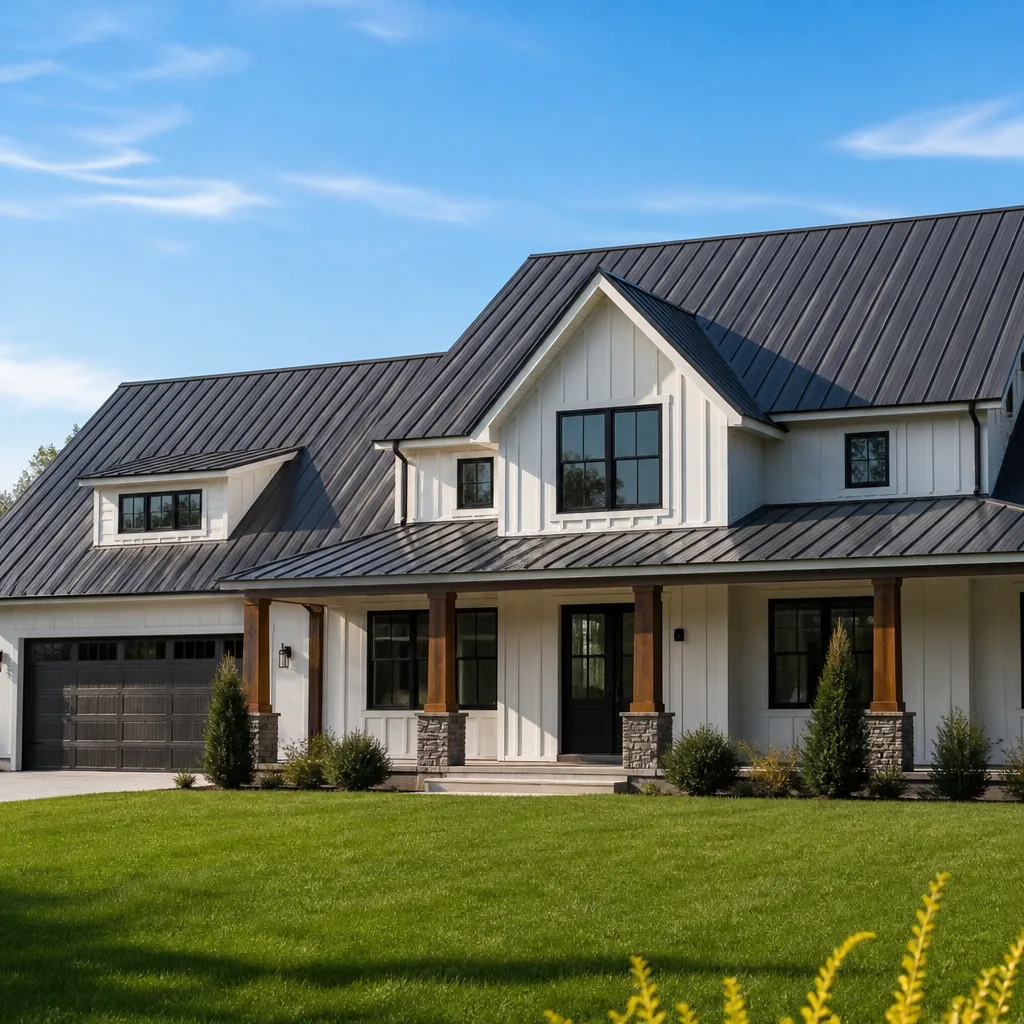 Metal roofing
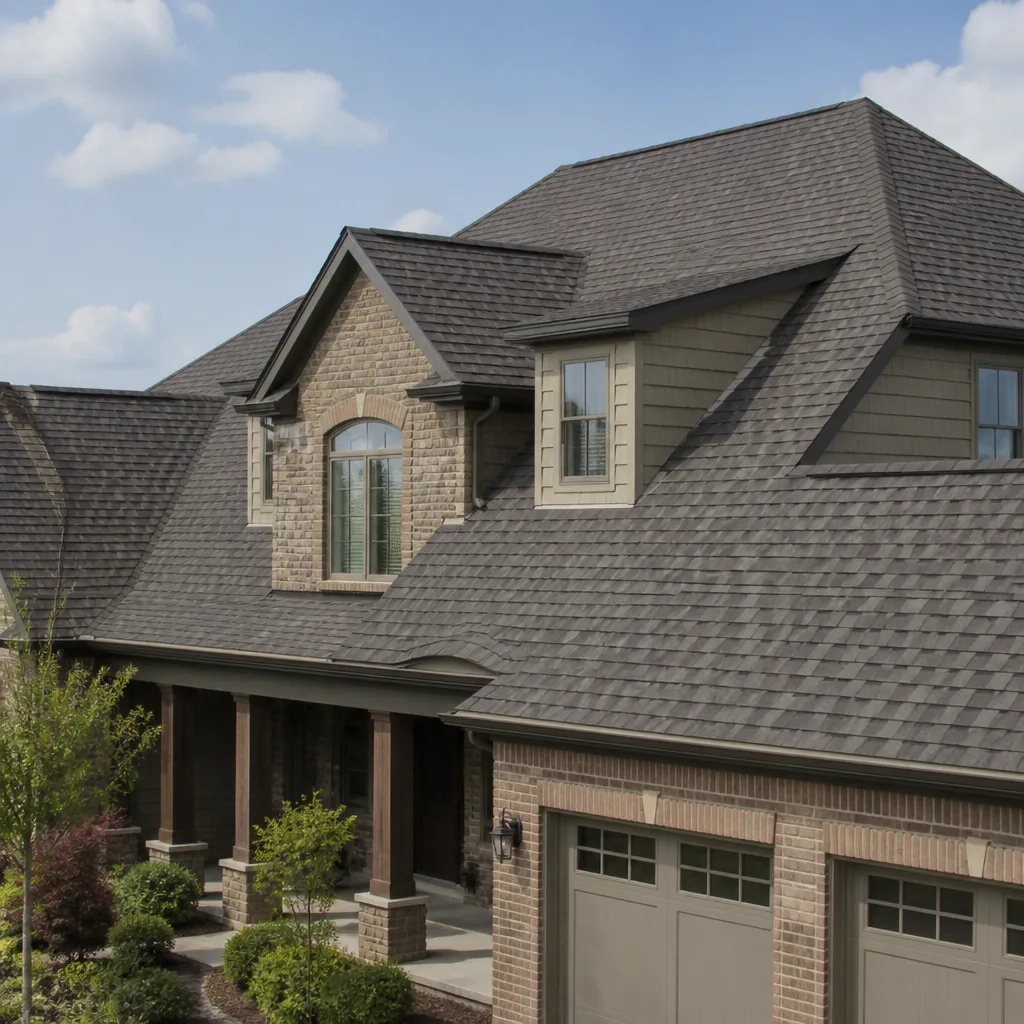 Architectural shingles
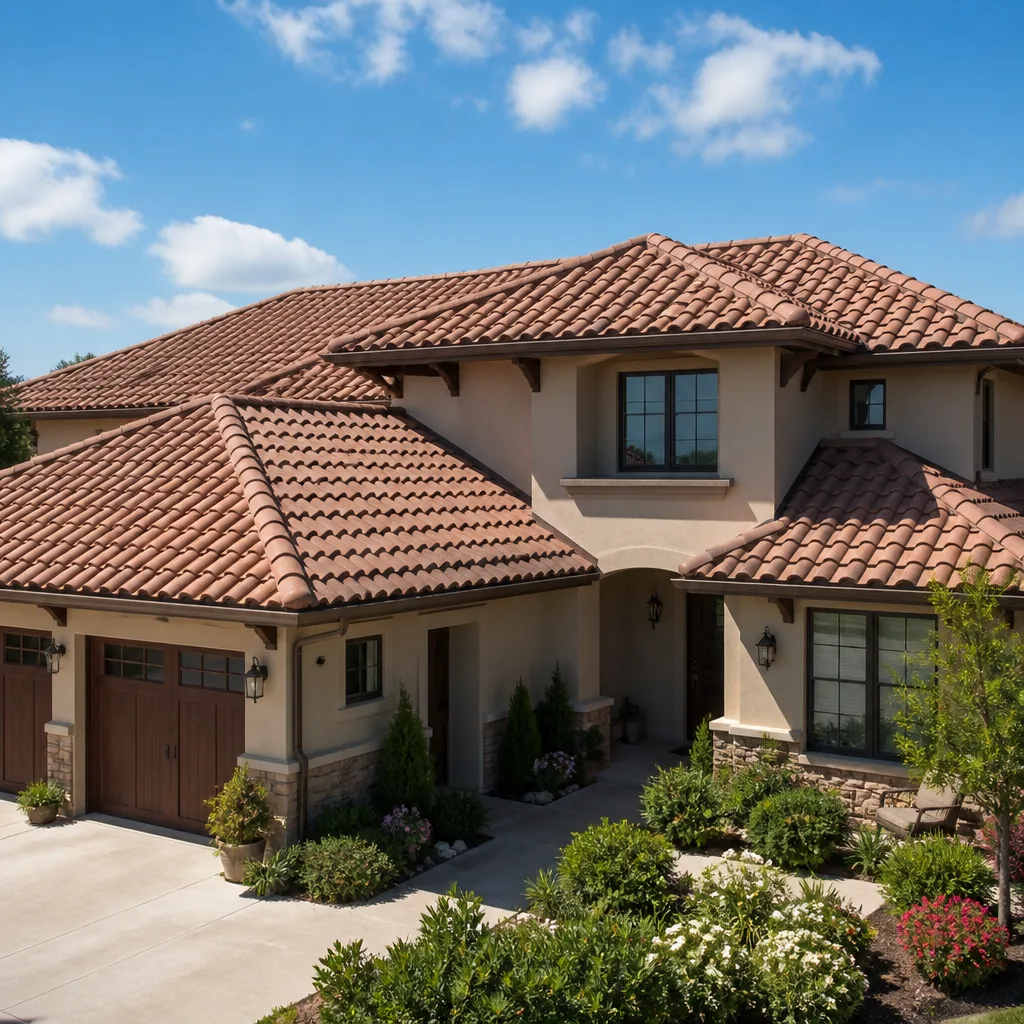 Tile roofing
 GAF
GAF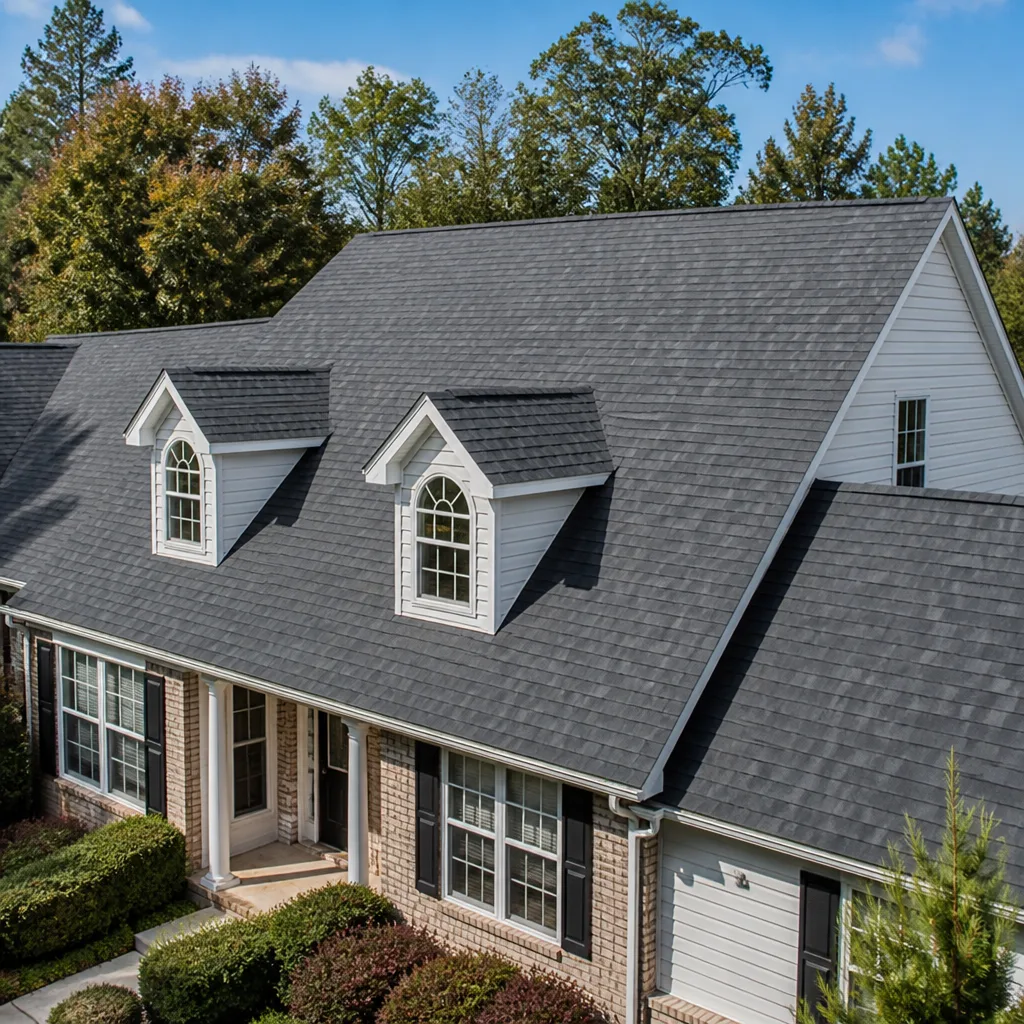 Owens Corning
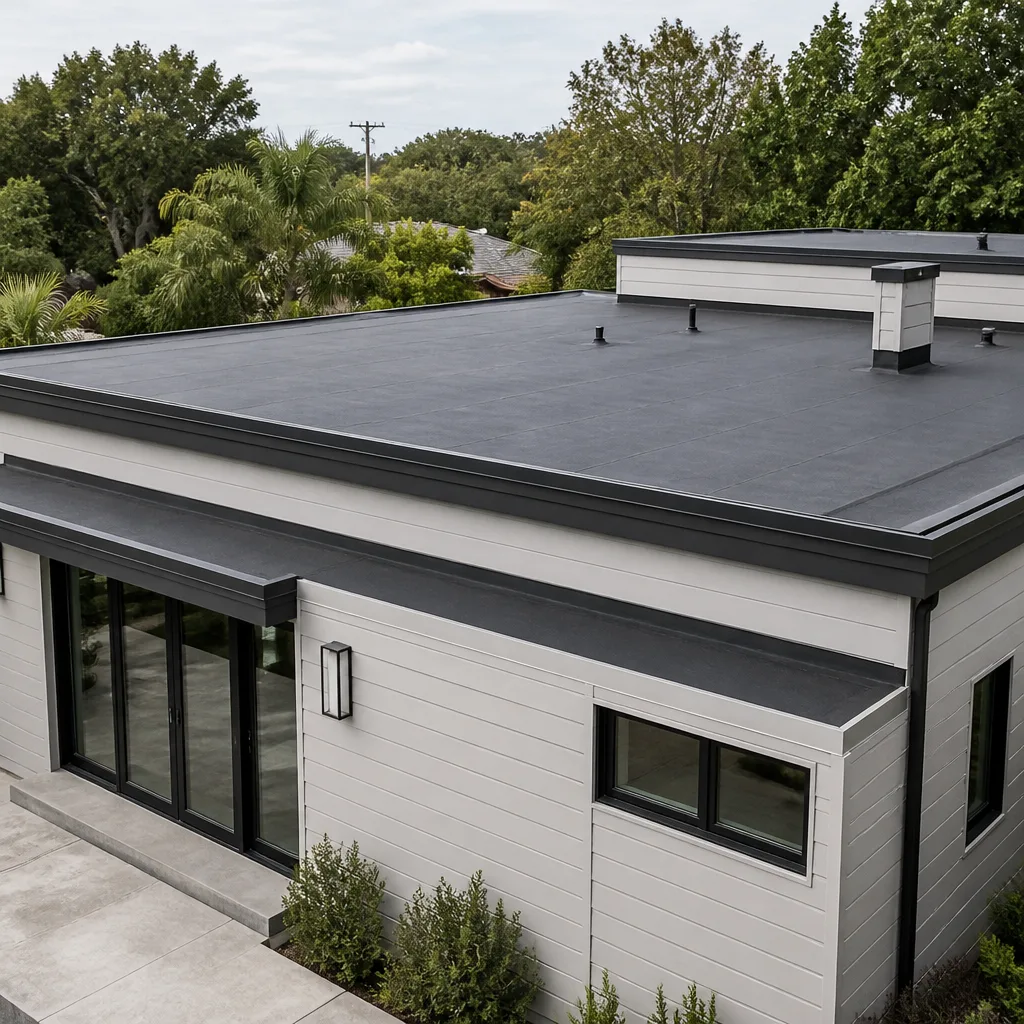 Flat & low-slope
Free roof inspection with deck photos before we talk money - GAF and Owens Corning certified installation
DIY vs Professional Roofing: The West Covina Homeowner’s Decision Guide
Here’s a number most West Covina homeowners never hear: a botched DIY roof repair that voids your shingle warranty can cost $14,000 to $22,000 on resale when the buyer’s inspector flags it. That’s the replacement cost for a standard 1,800-square-foot roof in our area, and it’s what you risk to save $200 on a pipe boot. In this guide, we’ll walk through what California law actually lets you do yourself, what it costs either way, and the three questions that settle the DIY debate faster than any YouTube tutorial.
Styles & brands we work with
Quick Answer
Most West Covina homeowners can legally handle small, isolated repairs like replacing a single pipe boot or resealing a small section of flashing. But any repair or replacement that touches the roof structure, requires a permit, or sits on a manufacturer-warrantied shingle system is almost always cheaper and safer when handled by a C-39 licensed roofing contractor-our How to Hire a Roofing Contractor in West Covina: A Step-by-Step Guide explains what to look for-because warranty voidance and permit liability erase the DIY savings in the first year.
Table of Contents
- What California Law Actually Lets You DIY (And What It Doesn’t)
- How DIY Repairs Void Shingle Warranties: The Fine Print Nobody Reads
- The Real Cost Comparison: DIY vs Professional for Three Common Repairs
- The Physical Risks Specific to West Covina Roofs
- The 60-Second Decision Tree: Is This a DIY Job?
- Permit Liability and the Resale Problem Nobody Mentions
- What a Transparent Contractor Actually Does (And Why It Changes the Math)
- Common Mistakes to Avoid
- When to Call a Professional
- Frequently Asked Questions
- The Bottom Line
What California Law Actually Lets You DIY (And What It Doesn’t)
California Business and Professions Code Section 7044 says a homeowner can work on their own primary residence without holding a contractor’s license. You can replace a shingle, swap a pipe boot, reseal a skylight, and patch a small section of underlayment without pulling a C-39 roofing license. No license, no problem, as far as the CSLB is concerned.
But the legal line is not where most people think it is. The moment you hire anyone to help you, even a handyman for a day, that person must hold a C-39 roofing specialty license if the work is roofing. Paying a neighbor’s son to carry shingles up a ladder is a $200 decision that can get you a $15,000 citation from the Contractors State License Board. And in West Covina, city code enforcement does respond to unpermitted roofing complaints, particularly on homes in the South Hills and Woodside neighborhoods where roof sightlines from the street are common.
Here’s the breakdown of what falls on either side of the legal line:
- Legal to DIY: Replacing individual shingles or tiles, swapping a pipe boot or vent cap, cleaning gutters, applying sealant around flashing joints, installing roof anchors (with proper fall protection), reattaching loose ridge caps.
- Requires a C-39 contractor: Any structural repair to rafters, trusses, or decking, any full roof replacement or re-roof over existing shingles, any repair that requires a permit from the City of West Covina Building Division, any work on a multi-family building or rental property you own, any work where you pay someone else to do the roofing.
- Gray zone (we recommend a professional): Flashing replacement around chimneys or skylights, valley repairs longer than three feet, any repair involving roof penetrations within 18 inches of a shared wall with a neighbor.
West Covina sits in a high-wind zone by Southern California standards. The Santa Ana winds that rip through the San Gabriel Valley from September through November put uplift stress on roof edges that simply does not exist in, say, Long Beach or Torrance. A DIY repair that holds fine in June can fail catastrophically in an October wind event, and that failure becomes a claim your insurance company investigates, not just watches. When an adjuster sees an unpermitted, non-licensed patch job on a roof that failed, the claim denial letter writes itself.
For a deeper look at what professional repair actually covers in our city, see our guide on Roof Repair in West Covina.
How DIY Repairs Void Shingle Warranties: The Fine Print Nobody Reads
Here’s the paragraph most homeowners never see. In the GAF Shingle & Accessory Limited Warranty, under “What Is Not Covered,” you’ll find language stating that damage caused by “improper installation” or “alterations made by anyone other than a GAF-certified contractor” voids coverage. GAF does not require that every repair be done by a GAF-certified roofer, but they do require that the repair maintains the original system’s integrity, which in practice means flashing, underlayment, and fastening patterns need to match the manufacturer’s published installation specs.
CertainTeed goes further. Their SureStart Plus warranty explicitly states that the warranty is “void if the shingles are installed over an existing roof” unless you use their specific materials. But the relevant language for DIY work is in the “Exclusions” section: any damage “caused by repairs or alterations to the roof system not performed by a licensed professional” is not covered. That’s not legal boilerplate that never gets enforced. We’ve seen Owens Corning deny a material claim in West Covina because a homeowner had replaced six shingles after a wind event and used the wrong nail type. The decking failed three years later, and Owens Corning’s inspection found the fastening pattern divergence. No coverage. Full replacement out of pocket.
The pattern across the major manufacturers looks like this:
- GAF: Void if work is not done to GAF published specs. In practice, any repair that does not match original fastening and flashing details threatens the warranty.
- CertainTeed: Void if repair or alteration is not performed by a licensed professional. This is the strictest language of the three.
- Owens Corning: Void if failure is “attributable to” a non-professional repair. If they can link the failure to your patch, even partially, coverage dies.
What does this actually mean in dollars? A standard architectural shingle warranty covers material defects for 25 to 50 years. The materials alone for a standard West Covina ranch house run $6,000 to $9,000. Labor doubles that. If you void the warranty with a $40 DIY repair, you’ve erased the largest financial protection your roof carries, and on resale, the buyer’s inspector may note the roof is “not backed by manufacturer warranty,” which becomes a negotiation point that costs you real money at escrow.
We install and repair with materials from GAF, CertainTeed, and Owens Corning, and we handle the warranty registration on every full replacement we do, which is its own hassle most homeowners don’t learn about until it’s too late. Visit Roof Replacement in West Covina to understand what a full system replacement involves.
The Real Cost Comparison: DIY vs Professional for Three Common Repairs
The DIY math looks great until you price the second attempt. For a realistic picture of what to budget, see our Roofing Cost Breakdown: The West Covina Homeowner’s Reference for 2026. Here’s what we actually see in West Covina, including the cost of doing it wrong once, which is the line item every homeowner forgets.
Repair 1: Pipe Boot Replacement
- DIY cost: $35 to $65 for the boot, sealant, and hardware. Time: 2 to 3 hours for a first-timer. Tools: hammer, pry bar, utility knife, caulk gun. Success rate for a first-timer on a composition shingle roof: around 50% without a leak within 6 months.
- Professional cost in West Covina: $225 to $380 including the boot, sealant, and minor shingle re-fastening around the penetration. Time: 45 minutes on site. Warranty: 365 days, in writing, with a free second visit if it leaks.
- The cost of doing it wrong once: $400 to $900 for water damage to the ceiling drywall below the penetration, plus another $225 to $380 to redo the boot properly. Total DIY failure cost: $625 to $1,280.
Repair 2: Ridge Cap Replacement (Up to 10 Linear Feet)
- DIY cost: $90 to $160 for caps, nails, and sealant. Time: 4 to 5 hours for a homeowner who has never walked a ridge. Tools: hammer or nail gun, chalk line, roofing sealant. Success rate: around 40% without either a leak at the nail line or caps lifting in the first Santa Ana wind event.
- Professional cost in West Covina: $350 to $600 depending on ridge length and shingle type. Time: 2 hours. Warranty: 365 days on the repair itself, plus your shingle manufacturer warranty stays intact because we use manufacturer-spec fastening.
- The cost of doing it wrong once: Lifted ridge caps in 40 mph winds send shingles into your neighbor’s yard, which is a liability claim against your homeowners policy, plus $350 to $600 to redo the repair, plus possible decking water damage underneath.
Repair 3: Small Valley Patch (Under 3 Feet)
- DIY cost: $60 to $120 for valley metal or WSU, shingles, and sealant. Time: 5 to 6 hours. Tools: pry bar, tin snips, roofing nailer or hammer, sealant. Success rate: under 30% for a first-timer. Valleys concentrate water flow; a small error in overlap direction creates a leak that takes months to appear.
- Professional cost in West Covina: $400 to $750 for a proper valley patch with new underlayment and matching shingles. Time: 3 hours. Warranty: 365 days in writing plus a full inspection of adjacent flashing while we’re up there.
- The cost of doing it wrong once: Water follows the valley to the interior wall, which means drywall damage, insulation replacement, and possible mold remediation: $1,500 to $4,000 before the roof repair is even addressed. The failed valley patch still costs $400 to $750 to redo.
Dylan Pace, who owns Crestview Roofing Co West Covina home, puts the comparison differently: “The DIY savings only work if you never make a mistake. On a pipe boot, you’ve got maybe a 50/50 shot. On a valley patch, you’re betting against the most water-concentrated point on the whole roof. I wouldn’t take that bet on a house I own in West Covina.”
The Physical Risks Specific to West Covina Roofs
West Covina is not a mild place to work on a roof. The city averages 90+ degrees on 45 to 60 days a year, and the San Gabriel Valley heat is dry and relentless. In July and August, the surface temperature of a composition shingle roof in West Covina routinely exceeds 160 degrees Fahrenheit. Tile roofs run hotter. That’s not an exaggeration; that’s the reading from an infrared thermometer on a standard afternoon in the Vine neighborhood.
At 160 degrees, your skin burns in under a second on contact. Your work gloves stiffen. The adhesive strip on shingles activates prematurely, which means the shingles seal where they fall, not where you place them. Sealant skins over in 15 minutes instead of the 45 to 60 minutes it takes in cooler coastal air. Every step you take on a composition roof over 140 degrees leaves a visible scuff because the asphalt softens. On a tile roof, walking patterns are not just about where you step; they’re about where the tile won’t crack, and that pattern is different on every home depending on the underlayment age, the tile profile, and the way the original installer clipped the tiles.
Fall protection is not optional in California, and it applies to homeowners too. Cal/OSHA regulations govern workplaces, but if you’re up on a two-story West Covina home with a 9:12 pitch and no harness, anchor, or rope, you are making a decision that kills homeowners in the San Gabriel Valley every year. The data is uncomfortable but real: falls from roofs are the leading cause of ladder-related deaths in Los Angeles County, and two-story homes in the hillside neighborhoods around South Hills High School see the highest concentration of these incidents.
Here’s what protects a professional roofer on your home:
- Fall harness and lifeline: Anchored to the roof structure, not a rafter tail. A professional crew on any roof with a pitch steeper than 4:12 uses this without exception.
- Roof jacks and planks: On steep sections, we fasten roof jacks every 6 to 8 feet and lay planks. This distributes weight and gives a stable platform.
- Temperature management: Professional crews start at 6:00 a.m. or earlier in the summer in West Covina. By 11:00 a.m., the roof surface is already over 130 degrees, and continuing to work is a heat-stress risk.
- Bubble wrap and tile lifters for tile roofs: Tile roofs in West Covina’s older neighborhoods like Orangewood and Mesa Oak have fragile, brittle tiles after 30+ years of sun. Professionals lift tile with non-marring tools and walk along batten lines, not tile crowns.
One more West Covina-specific hazard: our proximity to the San Gabriel Canyon means we get sudden afternoon wind gusts that don’t register in flat areas. A 40 mph gust while you’re carrying a 4-by-8 sheet of plywood up a ladder is a sail event. Professionals tie off materials and work with wind in mind. Most homeowners don’t, and it’s not intuitive.
The 60-Second Decision Tree: Is This a DIY Job?
Answer these three questions honestly. If you hit a “yes” on question one or two, the decision is made. If you hit question three, it comes down to your tolerance for a $1,000-plus mistake.
Question 1: Is the repair on a manufacturer-warrantied shingle system?
If your roof is less than 25 years old and was installed with architectural shingles from GAF, CertainTeed, Owens Corning, or IKO, your warranty is likely still active. Any repair that doesn’t meet manufacturer fastening and flashing specs puts that warranty at risk-our Roof Repair Maintenance Checklist for West Covina Homeowners covers the details. This is a professional job, not because you can’t physically do it, but because the financial downside of doing it slightly wrong is tens of thousands of dollars. If yes, call a C-39 licensed contractor.
Question 2: Does the repair require a permit from the City of West Covina?
Structural repairs, any work that involves replacing decking, and any re-roofing require a permit from the West Covina Building Division. If the answer is yes, this is a contractor job, full stop. Unpermitted structural work becomes a disclosure issue when you sell, and lenders will not fund a home with an open unpermitted roofing permit. If yes, call a C-39 licensed contractor.
Question 3: Can you absorb a $1,000 to $4,000 mistake without it changing your year?
If the answer is no, and you’re doing this to save $200 to $400, the math doesn’t work. The only DIY roof jobs that make sense for most West Covina homeowners are isolated, non-structural, warranty-exempt repairs where the worst realistic failure is a small leak you catch quickly. One pipe boot, one vent cap, one small section of gutter sealant. Beyond that, the downside asymmetry is brutal. If no, call a C-39 licensed contractor.
Most homeowners get through all three questions in under a minute. The people who end up calling us after a failed DIY attempt usually skipped question one entirely, then discovered their mistake when they tried to sell and the buyer’s inspector asked for documentation of who did the roof work.
Permit Liability and the Resale Problem Nobody Mentions
California Civil Code 1102 requires sellers to disclose all unpermitted work they’re aware of. That word “aware” is doing a lot of work. If you did a DIY structural repair in 2019 and didn’t pull a permit, you’re legally required to disclose it when you sell. Failure to disclose is fraud, and it gives the buyer the right to rescind the sale or sue for damages after close.
In West Covina’s real estate market, where a standard 3-bedroom home in the Merced neighborhood lists between $700,000 and $950,000, a buyer who discovers unpermitted roof work has three moves, and none of them are good for the seller:
- Demand a price reduction: The cost to retroactively permit and correct the work, plus the buyer’s inspection cost, gets deducted from the sale price. We’ve seen this range from $5,000 to $18,000 depending on the scope of the unpermitted work.
- Demand the seller fix it before close: This means hiring a contractor on the buyer’s timeline, usually with a 10-day contingency window, during which the seller has zero leverage on price or schedule.
- Walk away: In a hot market, a buyer with cold feet can use the unpermitted work disclosure as a free escape hatch, and the home goes back on the market with the stigma of a failed deal.
The people who sell homes in West Covina’s FHA and VA buyer pool have an added pressure: these loan programs require the appraisal to include a roof inspection, and unpermitted roof work is a financing condition reject. Half the buyer pool vanishes because your $300 DIY repair didn’t go through the Building Division.
If you’re planning to stay in your home for 15 years and the repair is genuinely isolated and non-structural, this concern is smaller. But if there’s any chance you sell within a decade, the permit question is not optional thinking. It’s the first thing the buyer’s agent asks.
What a Transparent Contractor Actually Does (And Why It Changes the Math)
Here’s a fact that surprises most West Covina homeowners: the professional vs DIY comparison is not actually about skill. It’s about process. A licensed roofer’s value is what they document and guarantee, not just what they hammer.
Crestview Roofing changed how we structure every job when we joined the Relay Home Co. family and adopted The Relay Visibility Guarantee. Before any work starts, you get a written price. Not an estimate range, not a verbal number. A line-item written price that includes materials, labor, disposal, and any permitting fees. The number on that page is the number on the invoice. No change orders because we discovered something, no “that’ll be extra” after the fact, no argument at the door.
Then, before we arrive, you get a live trackable arrival time. You know who’s coming, you know when they’ll pull up, and you know who to expect at the door: a background-checked, uniformed technician, not a subcontractor in an unmarked truck who drives off and never returns your texts.
While we work, we take before-and-after photos and text them to you. You see the condition of your roof before the repair, and you see the finished repair after. The digital invoice arrives by text, with the photos attached, before we leave your property.
And every repair carries the 365-Day Done Right Promise: if it’s not done right, we make it right, for a full year, in writing, included with every job at no extra cost. If the repair fails within 365 days, we come back for free. No negotiation, no runaround. That’s a year-long warranty on a repair, which is longer than most roofers stand behind their work for anything.
None of that changes the skill equation. It changes the risk equation. When you pay a professional, you’re paying for the guarantee that the work is correct and the warranty that stands behind it, and in West Covina’s wind zone and heat zone, those guarantees are worth real money. Visit our page on Roof Installation in West Covina to see what this process looks like on a full installation.
Common Mistakes to Avoid
- Using the wrong fasteners. Shingle manufacturers specify nail length and type. A homeowner using 3/4-inch roofing nails on a 25-year architectural shingle creates a nail that pulls through in the first wind event. We see this specific mistake on DIY repairs in West Covina more than any other.
- Sealing instead of replacing. Roof sealant is a temporary solution for a permanent problem. Slathering sealant over a failed pipe boot or cracked flashing works for about one season, then the leak returns and the water damage is worse, because the sealant trapped moisture against the decking.
- Walking on a hot tile roof in summer. Tile over 140 degrees is brittle. One misstep cracks 6 to 10 tiles, and now you’re paying $15 to $30 per tile plus the original repair. Total cost may exceed what a professional would have charged for the whole job.
- Ignoring fall protection because it’s a single-story home. Falls from single-story roofs kill people too. A fall from 10 feet onto concrete is a life-changing injury. Set up a ladder properly, use a buddy, and if the roof is steeper than 6:12, call someone who has a harness and knows how to use it.
- Doing the work on a rental property. California does not allow a property owner to do roof work on a rental they own without a contractor’s license. If the tenant reports the work, you’re exposed to CSLB penalties and liability for any injury the tenant suffers.
- Forgetting to check the manufacturer’s warranty before touching a newer roof. A 2019 roof installed by a licensed contractor carries a warranty that’s now five years into a 50-year term. That warranty is worth $20,000 to $40,000 in future coverage. Read the warranty document before you touch anything.
- Assuming a permit isn’t required because the repair is “small.” The City of West Covina requires permits for any structural change to a roof. If you’re replacing decking, modifying rafters, or changing the roof’s drainage pattern, you need a permit. Small cosmetic work is fine, but the line is not where most people guess.
When to Call a Professional
The DIY equation works only when two things are true: the repair is isolated and non-structural, and you can afford the mistake if you get it wrong. If the repair touches any structural component, sits on a warrantied shingle system, requires a permit, or puts you on a roof steeper than 6:12 in the heat of a West Covina summer afternoon, the professional math is not close. You’re not paying for labor; you’re paying for warranty protection, permit compliance, and the guarantee that the repair holds through the next Santa Ana season. Crestview Roofing Co West Covina offers free estimates across West Covina and the surrounding San Gabriel Valley. Call (831) 777-6412 and we’ll send someone out, confirm what’s actually wrong, and give you a written price before any work begins.
Frequently Asked Questions
A typical isolated roof repair in West Covina runs $250 to $750 depending on the component, with more complex flashing or valley repairs running $800 to $1,500. A full roof replacement in West Covina typically runs $14,000 to $22,000 for a standard single-family home. Call (831) 777-6412 for a written quote on your specific roof.
You do not need a permit for isolated, non-structural DIY repairs like replacing a shingle or a pipe boot. You do need a permit for structural repairs, decking replacement, and any re-roofing. The City of West Covina Building Division enforces this, and unpermitted structural work becomes a disclosure problem when you sell.
No. California law requires a C-39 roofing contractor’s license for any roofing work done for payment. A handyman without a C-39 who does roofing work on your home exposes you both to CSLB penalties and leaves you without any contractor liability protection if the work fails.
Yes, in most cases. GAF, CertainTeed, and Owens Corning all have warranty language that excludes damage caused by repairs or alterations not performed by a licensed professional or not done to manufacturer specs. A failed DIY repair that causes further roof damage will likely void your material warranty, wiping out $20,000 to $40,000 in future coverage.
A composition shingle roof in West Covina reaches 150 to 170 degrees Fahrenheit on a typical July afternoon. Tile roofs run hotter. At these temperatures, shingles soften, sealant cures incorrectly, and the risk of heat-related injury rises sharply. Professional crews in West Covina start at dawn during summer months for this reason.
Most isolated repairs take 1 to 3 hours on site once the crew arrives. Full replacements typically take 2 to 4 days depending on roof size, pitch, and whether decking replacement is needed. With Crestview Roofing, you’ll get a written timeline before work starts and a live trackable arrival time the morning of the job.
The Bottom Line
The DIY vs professional roofing decision in West Covina is rarely about the repair itself. It’s about the second-order costs: the warranty you void, the permit you skip, the fall you risk, the disclosure you’ll owe at resale. On isolated, non-structural, warranty-exempt repairs, a careful homeowner can save a few hundred dollars and learn something in the process. On everything else, the professional path is cheaper when you zoom out to a decade, safer when you consider a 160-degree roof on an August afternoon, and legally cleaner when you sell. If you’re not sure which bucket your repair falls into, explore more guides & resources on our blog, or call us. We’ll tell you honestly, and the estimate is free.
Written by Dylan Pace, Owner at Crestview Roofing Co West Covina, serving West Covina since 2000.
See the difference
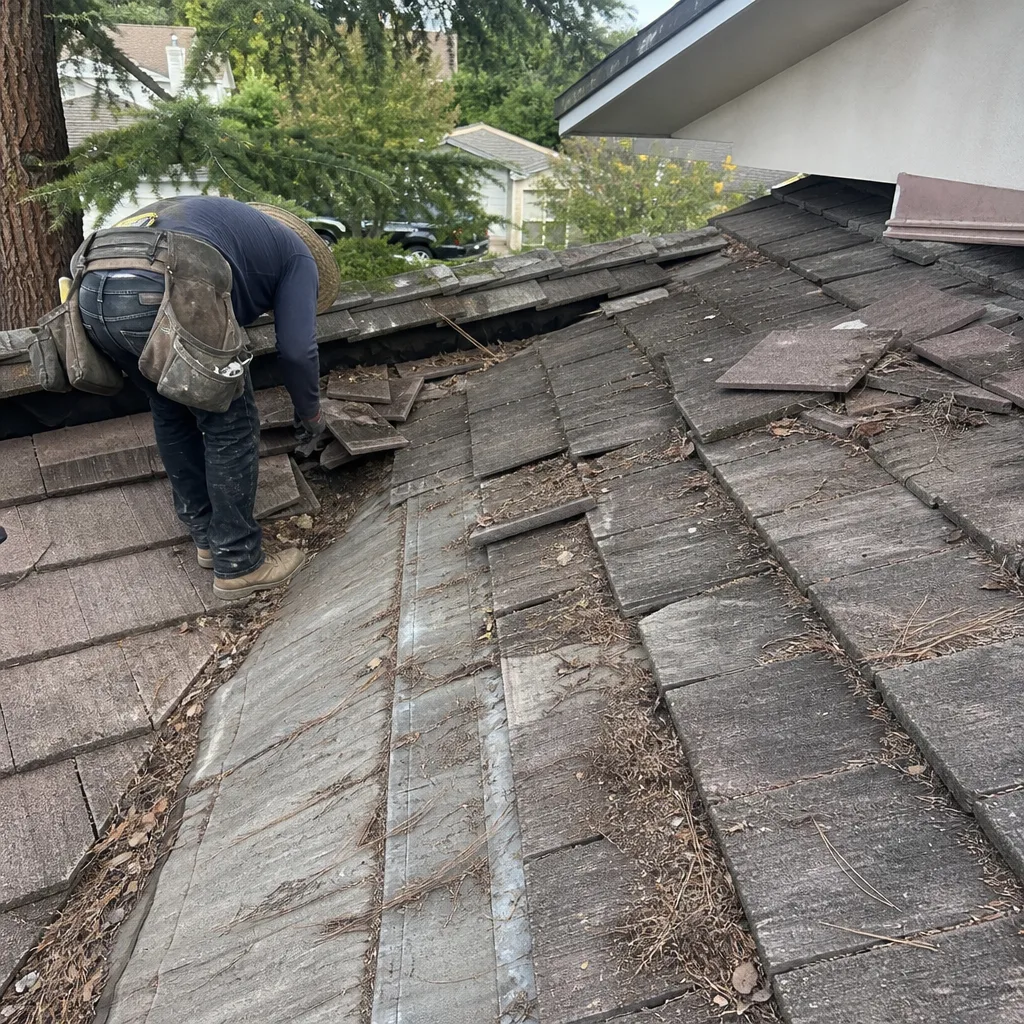 Before
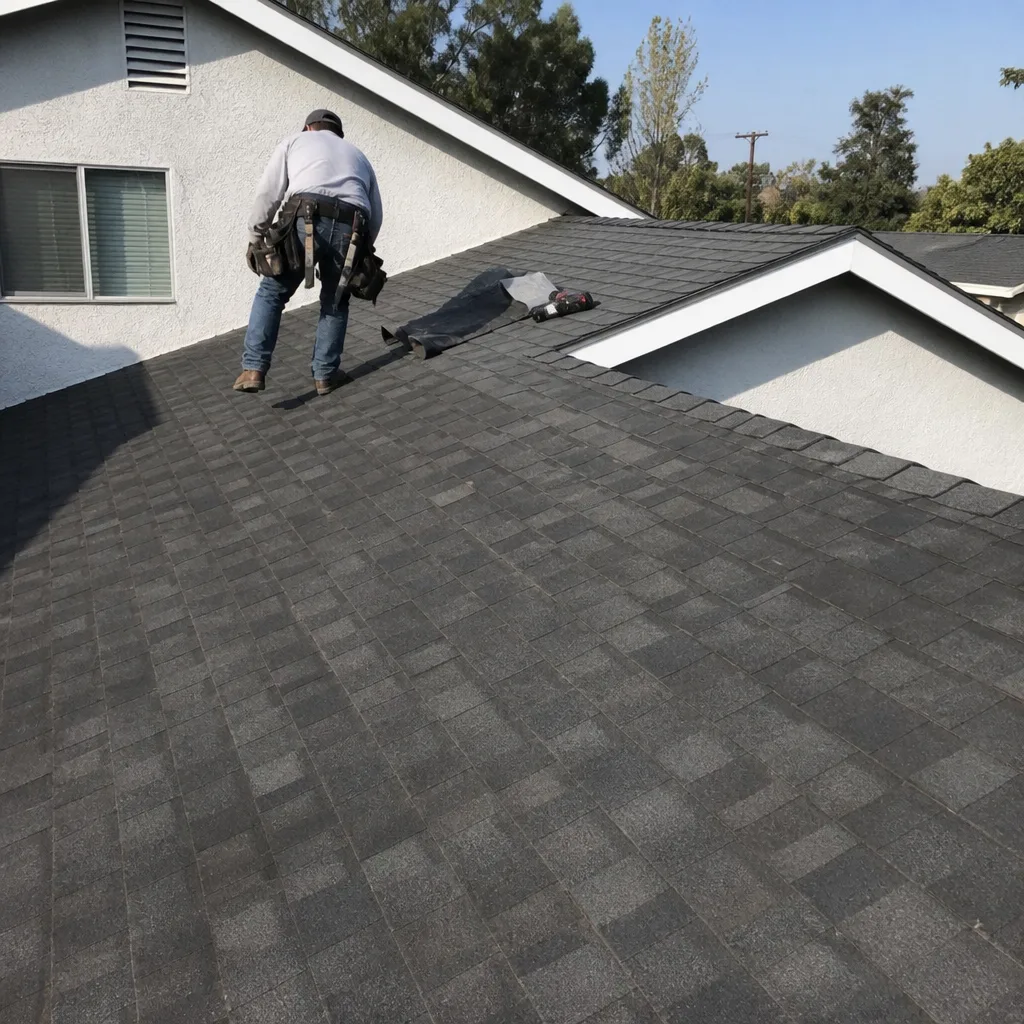 After
After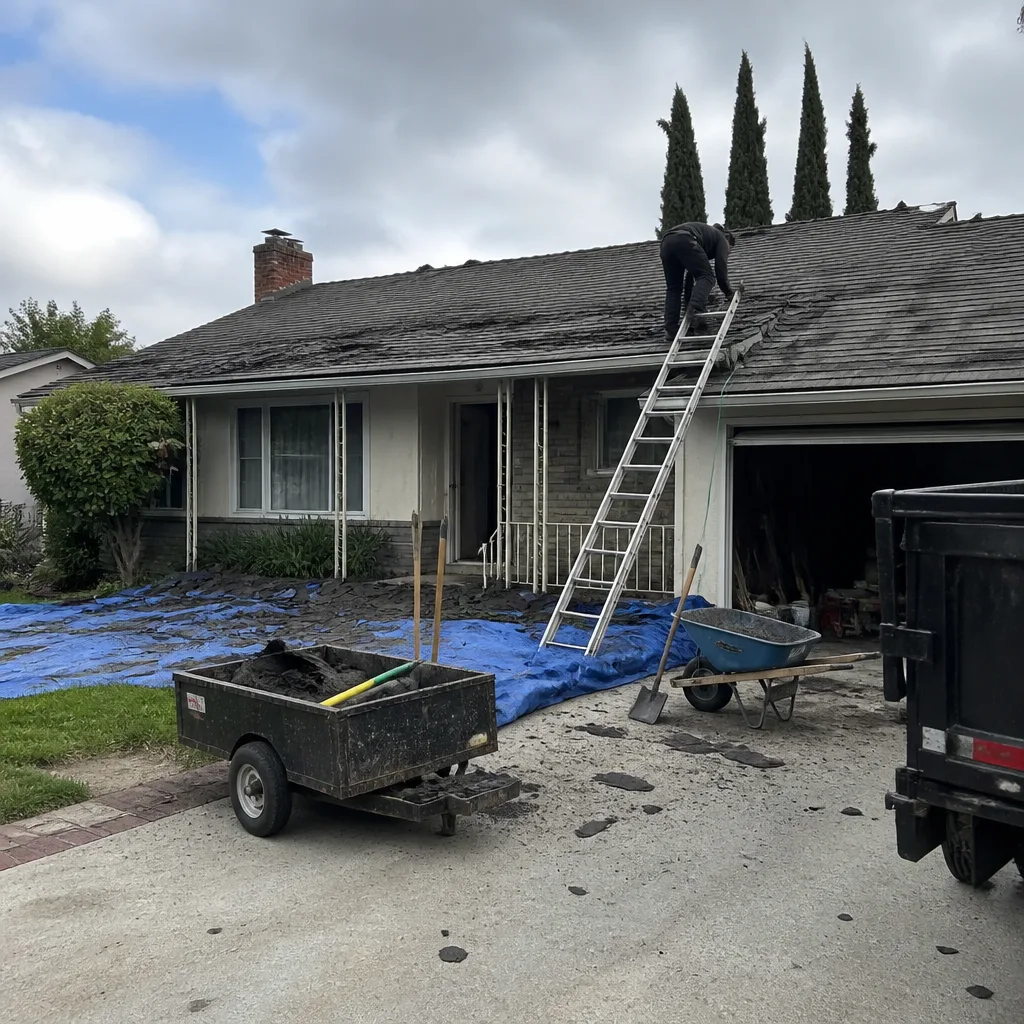 Before
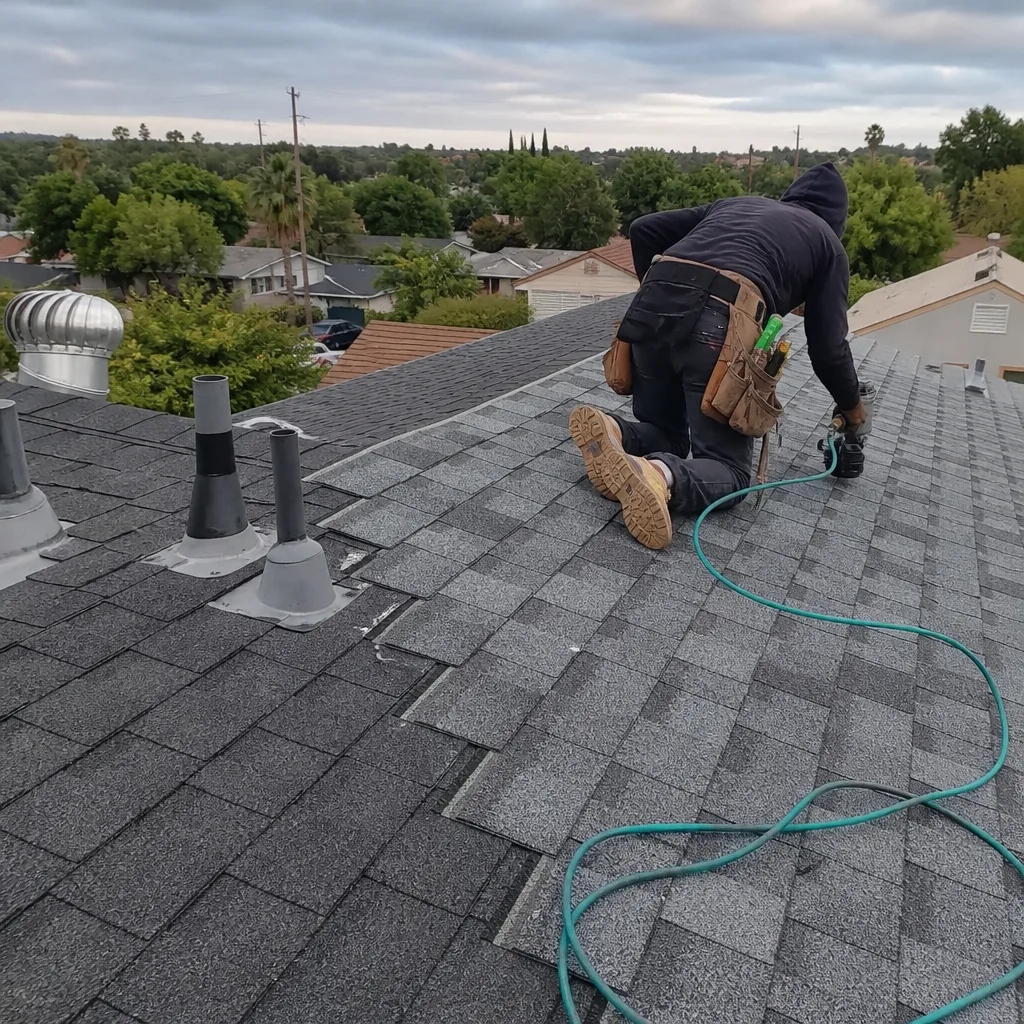 After
After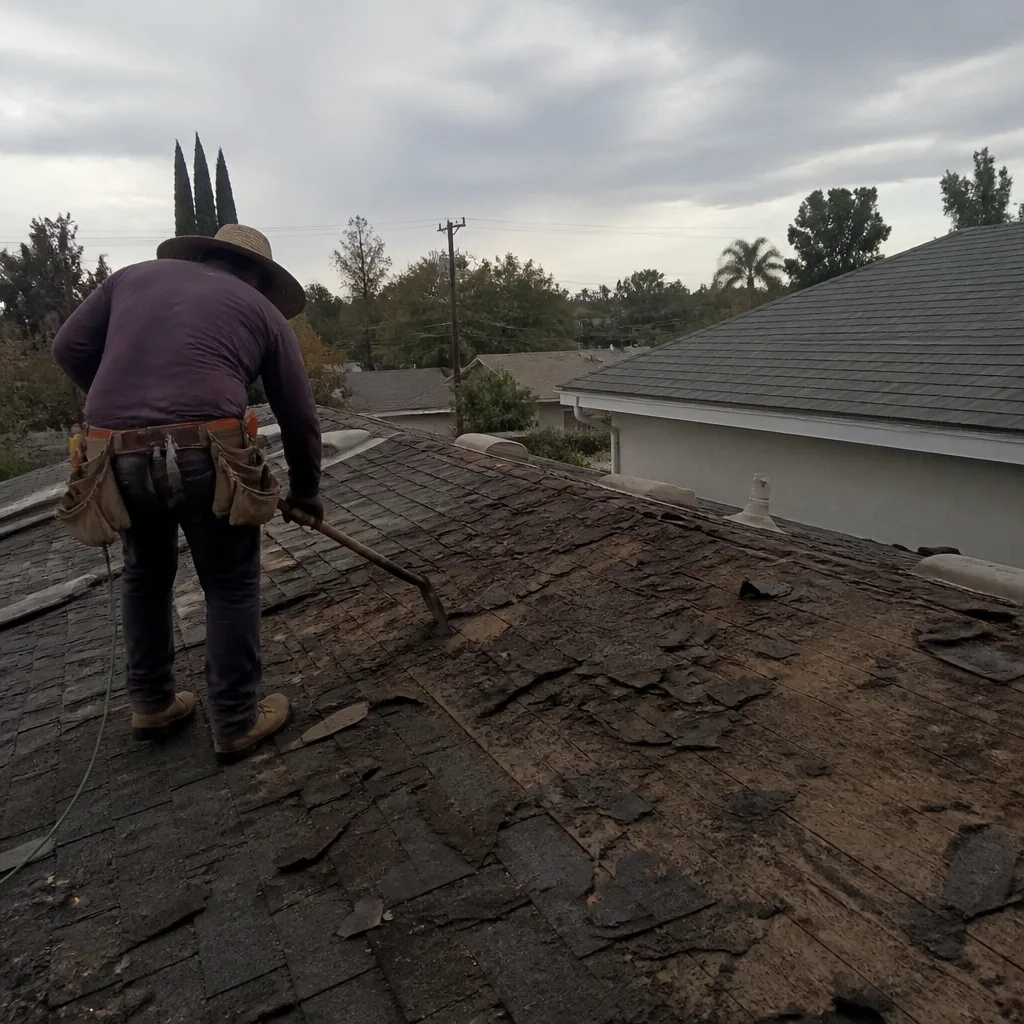 Before
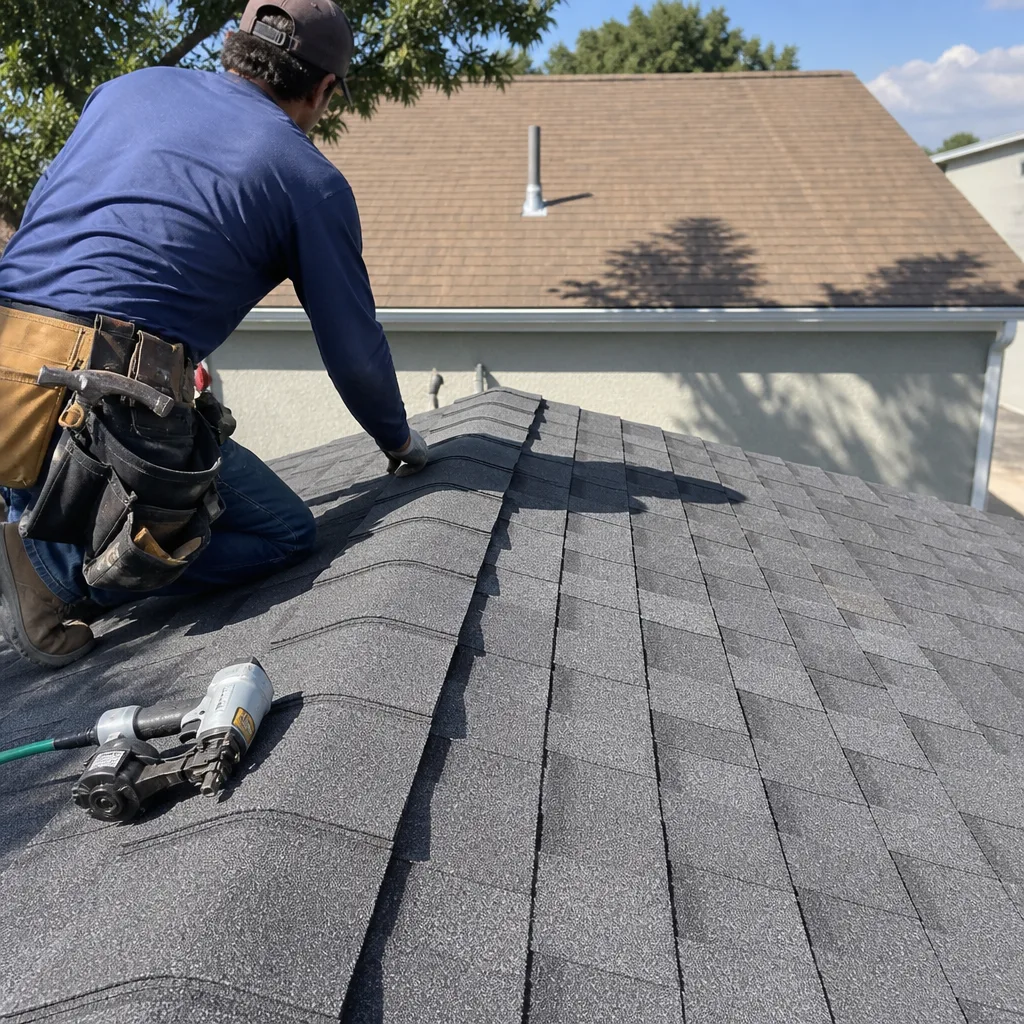 After
After