
Last updated October 17, 2026
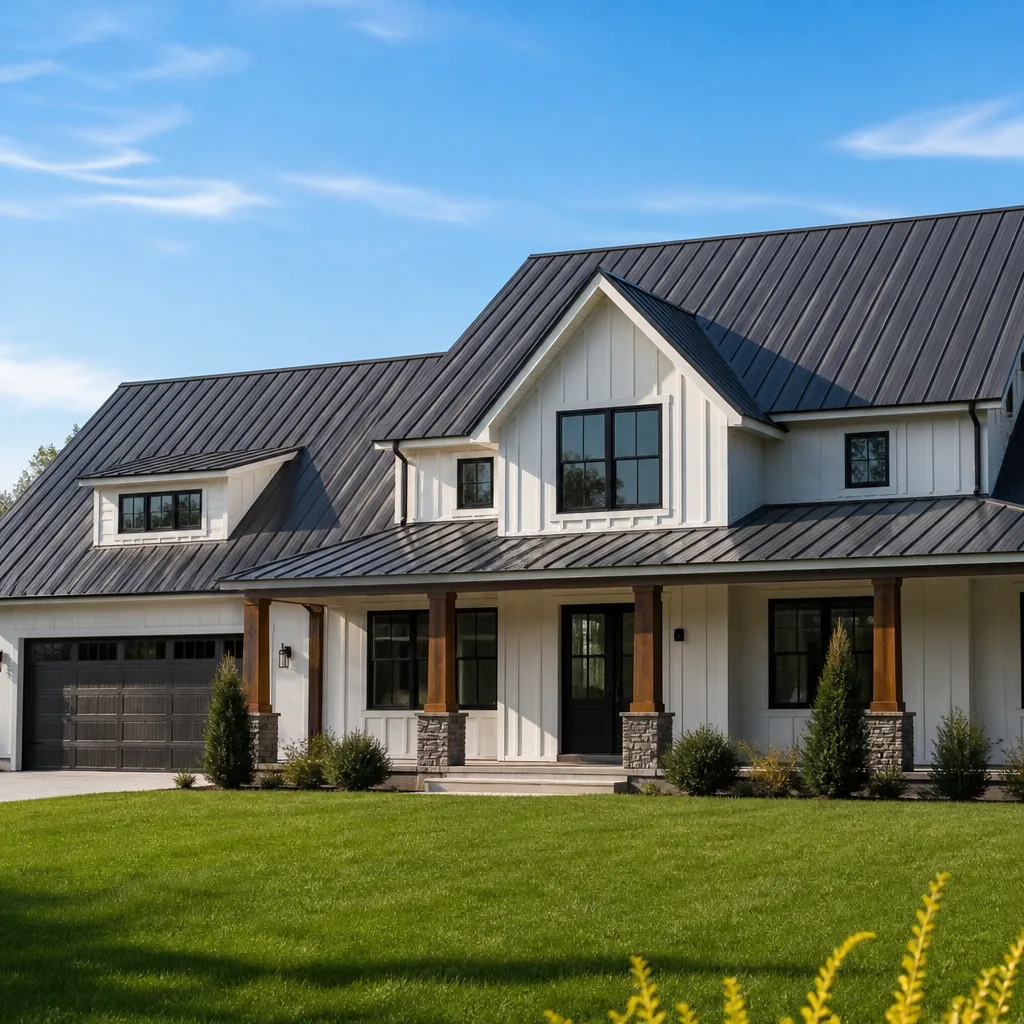 Metal roofing
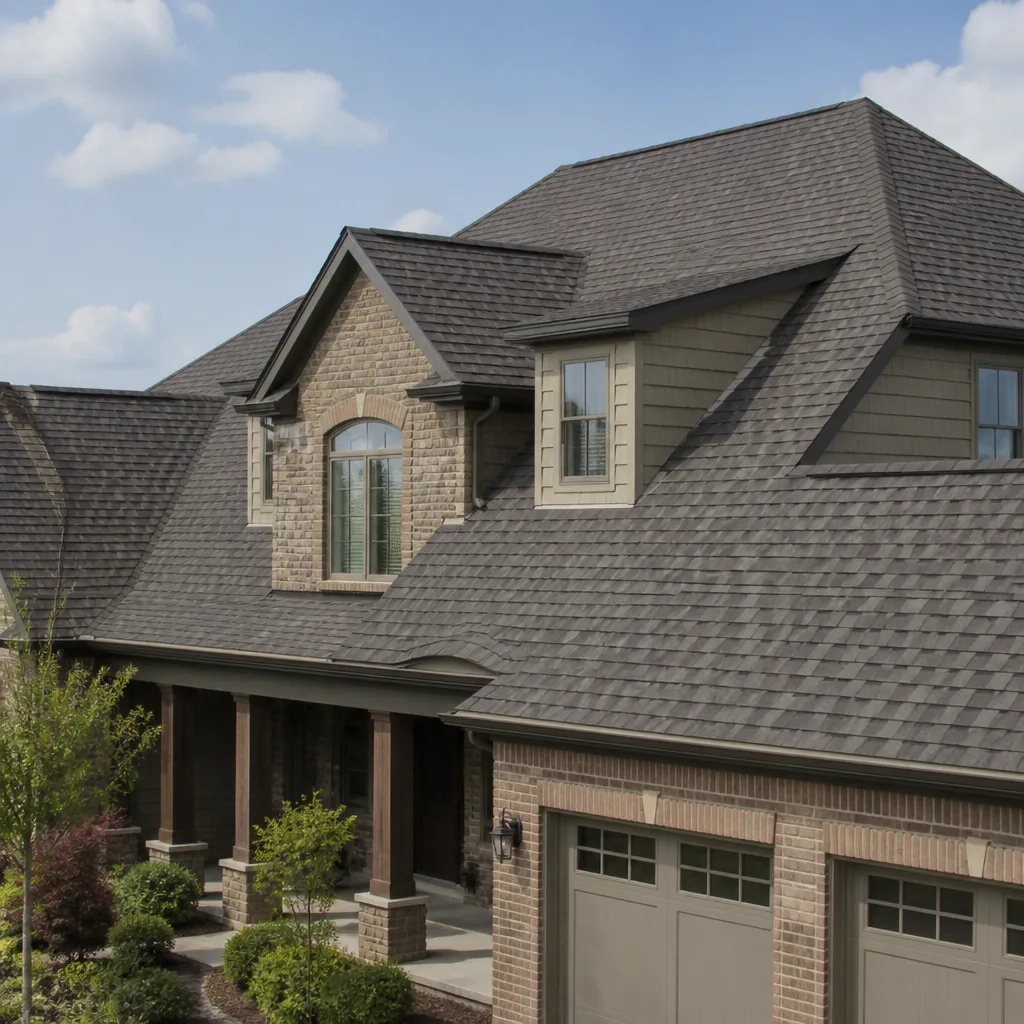 Architectural shingles
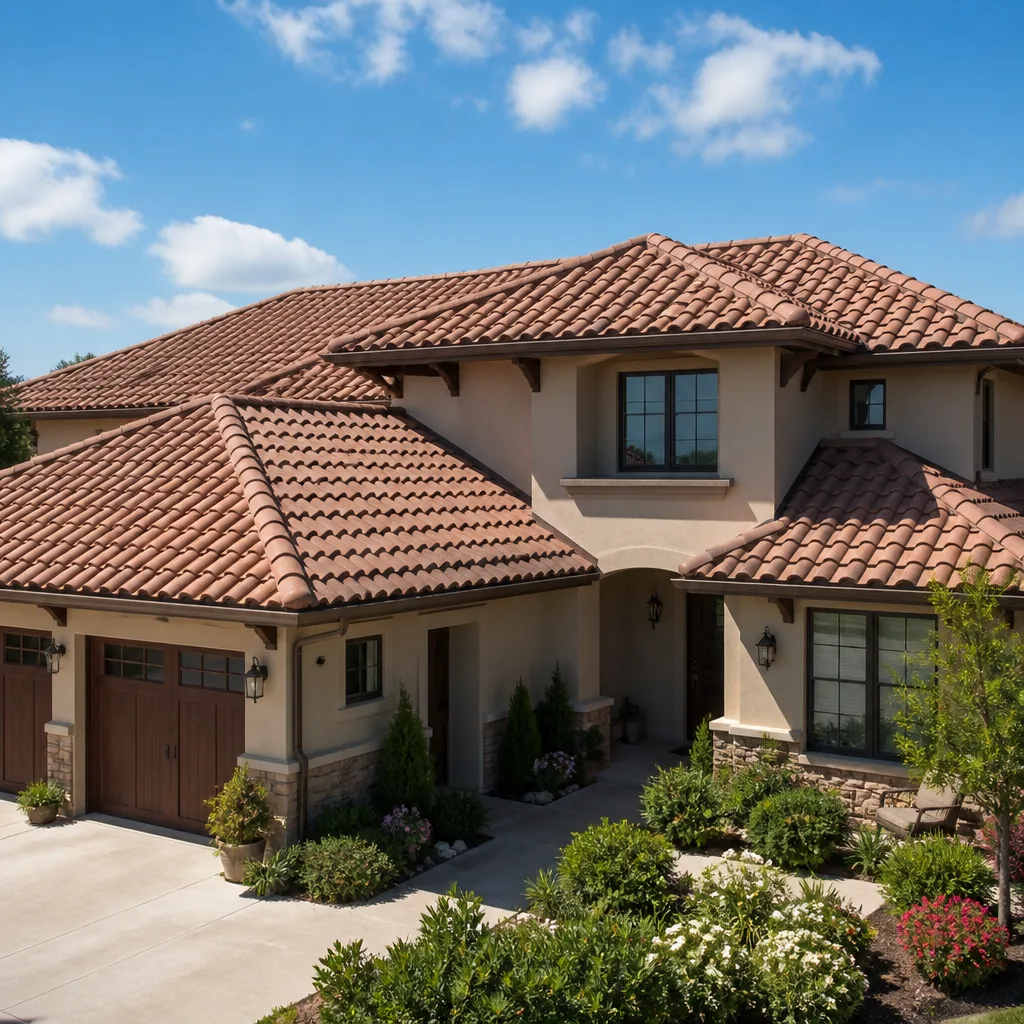 Tile roofing
 GAF
GAF Owens Corning
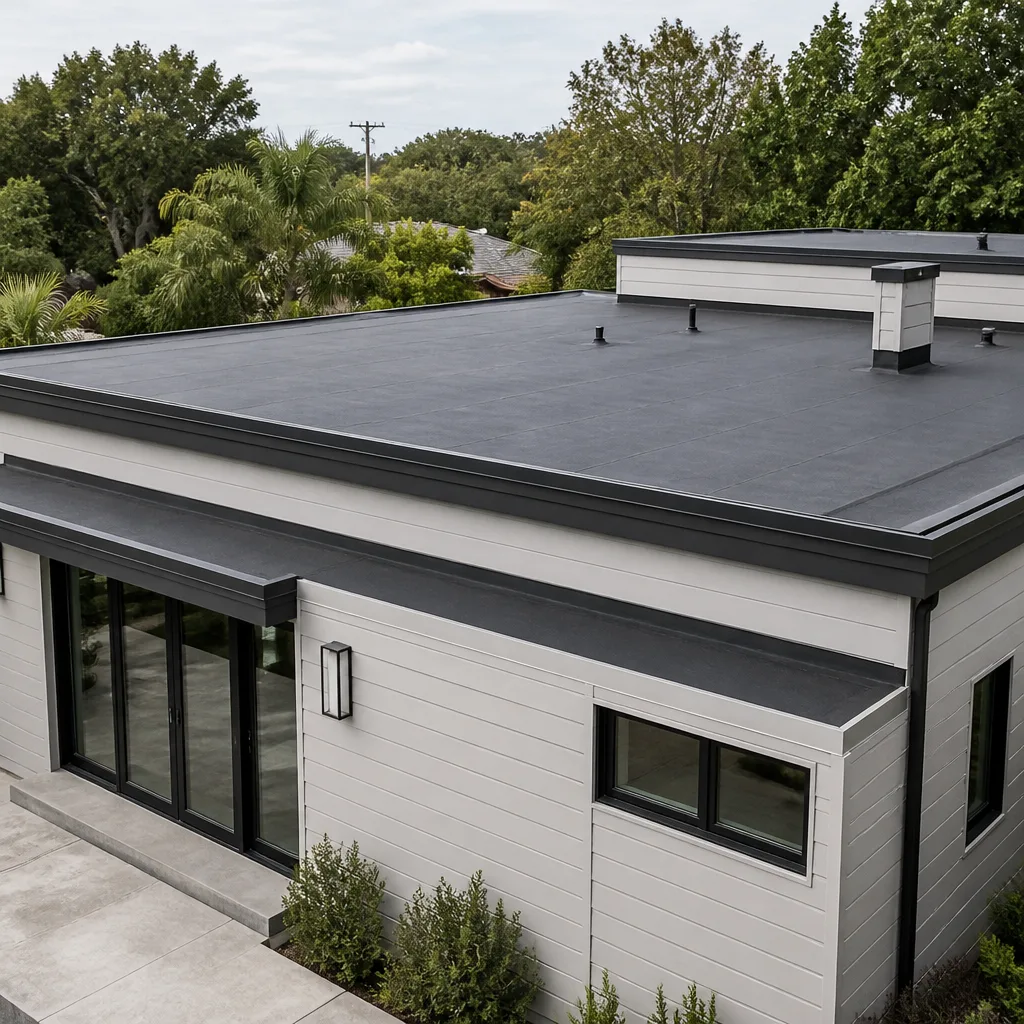 Flat & low-slope
Free roof inspection with deck photos before we talk money - GAF and Owens Corning certified installation
Roofing Warning Signs: A West Covina Homeowner’s Reference Guide
By the time you see a brown circle on your drywall ceiling, the water has usually been traveling through your roof deck, rafters, and insulation for at least one full rainy season. The ceiling stain is the end of the story, not the beginning. In West Covina, where we get intense sun, dry Santa Ana winds, and sudden winter downpours, that hidden timeline is often longer than homeowners think. Our complete guide to roofing in West Covina walks you through the warning signs that matter, the ones that hide inside attics and under flashings for years, and the ones you can spot from the ground with your phone in five minutes. It’s written for the homeowner who wants to know what’s actually happening up there, not what a sales script wants to tell them.
Quick Answer
The most important roof warning signs in West Covina are the quiet ones: dark streaks on attic rafters, granule buildup in downspouts, separated flashing around chimneys and vents, and soft condensation trapped in the attic even when there’s no ceiling stain. Most of these problems are invisible from the street and never show up as a leak inside the house until they’ve already done real damage. A five-minute attic check and a phone camera zoom from the ground will reveal more than most homeowners find in a decade of waiting for a water spot.
Styles & brands we work with
Table of Contents
- The Attic Check That Reveals 80% of Hidden Roof Problems
- What Granule Accumulation in Downspouts Actually Tells You
- Spotting Flashing Separation on a Clay Tile Roof From the Ground
- Why “No Leaks Inside” Doesn’t Mean “No Roof Problem”
- The Severity Scale: When to Act and When to Budget
- How West Covina’s Climate Shortens or Lengthens Roof Life
- Common Mistakes to Avoid
- When to Call a Professional
- Frequently Asked Questions
The Attic Check That Reveals 80% of Hidden Roof Problems
The fastest diagnostic tool in West Covina isn’t on your roof. It’s in your attic with a flashlight. In our experience, most roof problems announce themselves in the attic months or years before they ever show up on a ceiling. The reason is simple: water moves down, but air moves up. Moisture that gets through a small flashing gap or a cracked tile will evaporate into the attic air long before it accumulates enough to soak through drywall. That evaporation leaves marks. Here’s what to look for in the first five minutes, no roof access needed.
- Dark streaks or black staining on rafters and the underside of the roof deck. This is the classic sign of moisture that has been condensing or dripping for at least one season. In West Covina, where winters are mild but wet, that staining often develops along the north-facing slope of the roof, which stays cooler and damp longer.
- Rust on the exposed nail points sticking through the deck. Plywood and OSB decking is nailed from above. Those nail tips are the first metal to corrode when humidity in the attic stays high. If you see rust-colored nail heads, the attic is holding moisture somewhere.
- White, chalky, or crystallized deposits on the deck underside. This is mineral leach, the same stuff that leaves water spots on car paint. It means water has been sitting and drying in cycles, which in Southern California can happen just from condensation, no roof leak required.
- Mold or mildew that smells like the inside of an old gym bag. Not all mold is black and obvious. In West Covina’s warm climate, the first sign is usually smell. If the attic air feels close and smells musty in January after a dry week, something is trapping moisture.
- Daylight visible through the deck at any seam or knot. From inside the attic in daylight, turn off the flashlight and let your eyes adjust. If you can see light coming through anywhere, water can get through the same opening. This is one of the few checks that works better in summer.
If any of these are present, the next step is a professional roof inspection. A roof repair in West Covina that starts with an attic check catches rot before it becomes a structural problem. Most homeowners never look up there until the ceiling tells them to, and by then the repair is always more expensive.
What Granule Accumulation in Downspouts Actually Tells You
Shingle granules are small, sand-like ceramic particles embedded in the asphalt layer of your composition shingles. They protect the asphalt from ultraviolet rays, which is the main thing that kills roofs in West Covina. The sun beats down for 280-plus days a year, and every granule that separates from a shingle is UV protection that’s gone for good. The place most homeowners first notice granule loss is at the bottom of a downspout or in a gutter corner, where rain runoff leaves behind a line of what looks like coarse black and gray sand.
The volume matters. Here’s how to read it roughly:
- A few teaspoons after a heavy rain: Normal for a roof that’s between 5 and 12 years old. Shingles shed some granules during the first year and then remain stable. No action needed beyond regular gutter cleaning.
- A quarter to half cup after every rain: The roof is entering the back half of its life. On a typical West Covina composition roof, that usually means the roof is 12 to 18 years in the field, depending on sun exposure. Start budgeting for a replacement within two to four years.
- Half cup to a full cup, plus visible bald patches at the roof edges: The shingles are degrading fast. On the south-facing and west-facing slopes, which get the harshest West Covina sun, you may be closer to immediate replacement than you think. This is the stage where the shingles can no longer hold nails as well and wind damage begins.
One thing we tell West Covina homeowners: granule loss alone is not a reason to replace a roof. But it is the earliest measurable warning sign that the clock is running. If the shingles are rated, say, by GAF or CertainTeed for 30 years, that number assumes a moderate climate. The same shingle on an unshaded south-facing slope in West Covina may realistically deliver 20 to 24 years. Granule volume is how you find out which number applies to your house. A simple roof replacement in West Covina should never begin without first verifying the true remaining life of the shingle. Our background-checked technicians give you a written report with photos, so you’re not guessing from a gutter full of sand.
Spotting Flashing Separation on a Clay Tile Roof From the Ground
Flashing is the metal, usually galvanized steel, zinc, or copper, that seals the joints where the roof meets a vertical surface: chimneys, side walls, vent pipes, skylights. On a clay tile roof, flashing is installed in pieces that interlock with the tile profile. Over time, the metal expands and contracts with every hot afternoon and cool night cycle. West Covina can swing 30 degrees in a day. That repeated movement is what eventually pries the flashing away from the tile or the wall. Here’s how to spot it from the ground with a phone camera.
- Stand on the opposite side of the house from the chimney or pipe, about 20 to 40 feet back, and zoom in at 3x to 5x on your phone camera. The goal is not to see the entire roof, it’s to see the seam where the flashing meets the tile or stucco. That seam is where the problem lives.
- Look for a dark gap, not just a dark shadow. A shadow follows the sun and moves. A gap stays put regardless of the time of day. Take a photo in the morning and another in the afternoon. If the dark line is in a different relationship to the flashing, it’s a shadow. If it’s the same, it’s a real gap.
- Check the counter-flashing against the vertical wall or chimney. Counter-flashing is the topmost metal piece that is cut into the masonry or stucco to shed water over the base flashing. On a clay tile roof in West Covina, if the counter-flashing has separated from the wall, you’ll see a line of beige or black caulk that has pulled away in chunks, or a visible crack between the metal and the stucco.
- Look for step flashing where the roof meets a wall of a second story or a garage addition. Step flashing is a series of small L-shaped metal pieces tucked under each tile course. In bright sun at 3x zoom, separated step flashing looks like a row of small silver or gray slivers that don’t lie flat. If the tiles above or below them look clean but the slivers are tilted, the seal is gone.
- For a tile roof, check for cracked or chipped tile at the point where the flashing bends. Clay tile from manufacturers like Boral is dense and long-lived, but the tile at a flashing termination point is under constant stress. A cracked tile right where the metal slides in is a sign the metal has shifted and is pressing into the tile.
This is a skill worth learning because flashing failure is the most common cause of leaks in tile roofs in West Covina, not tile failure. The tiles themselves can last 50 years; the metal and its seals cannot. A roof installation in West Covina should always specify the flashing material and gauge, because that’s the component that determines how often the roof will need attention and whether you’ll face a DIY vs professional roofing decision. If you’re seeing separation from the ground, we recommend a professional inspection before the next rainy season. The gap that lets in an ounce of water during a light rain will let in gallons during a Pineapple Express storm.
Why “No Leaks Inside” Doesn’t Mean “No Roof Problem”
The myth that a roof is fine as long as nothing is dripping from the ceiling is probably the most expensive misunderstanding in West Covina homeownership. Leaks are not the first sign of roof failure. They are the last. By the time water has traveled through the roof covering, saturated the deck gap, and soaked through the insulation and drywall, the problem has usually been active for a full wet season or longer. The water that never becomes a ceiling stain is the one that does the long-term damage, because nothing tells you to fix it.
Here’s what happens in houses across West Covina from East San Gabriel to the hills of South Hills and down toward Cameron Park. A small flashing gap at a pipe boot lets moisture drip onto the deck. The attic air is warm. The water evaporates. The deck absorbs what it can. Over two or three seasons, that spot of decking becomes soft and dark. The nails that hold the shingles or tiles in that area lose their grip. The moisture that doesn’t evaporate condenses on the insulation and the rafters. The R-value of the insulation drops. None of this ever reaches the ceiling. Then a heavy storm hits, the weakened deck can’t hold the anchor points, and a piece of the roof lifts. The repair is now structural.
The vapor-trapped attic is the other silent problem. West Covina attics, especially in homes built in the 1970s through the 1990s, were often under-ventilated. Insulation crowds the soffit vents. Ridge vents were never added. In winter, when the house is heated and the nights drop into the 40s, condensation forms on the underside of the deck. This moisture sits against the wood for weeks. It never shows up inside because the drywall is separated by an attic floor. But it rots the deck and rusts the nails from above. We’ve opened attics in West Covina where the underside of the deck looked like a cave wall, not a sheet of plywood, while the ceilings below were spotless.
The lesson is simple: the inside ceiling is the last sensor, not the first. The attic is the early diagnostic. The roof surface is the direct read. Waiting for a drip means you’ve chosen to find the problem at its most expensive stage. Our roof installation protocol includes a decking inspection from above and below before any new material goes on. That’s the only way to know what’s actually under the surface you can’t see.
The Severity Scale: When to Act and When to Budget
Not every roof warning sign demands a phone call the same afternoon. Some are cosmetic, some are fine to watch through the next dry season, and some require immediate action before the next rain. Here’s a simple scale for West Covina homeowners.
- Cosmetic – no action needed now: Light granule shedding on a roof under 8 years old. Occasional small pieces of flashing sealant that have cracked but where the metal itself is still tight. Discoloration on the roof from sun exposure. Moss or lichen beginning on the north slope, which can be cleared during annual gutter maintenance.
- Monitor – re-check in 60 to 90 days or after the next big storm: A single lifted shingle tab that still has granules. A small granule pile at one downspout after every rain. Early-stage flashing caulk cracks that haven’t opened into a visible gap. Attic rust on nails with no other signs of moisture.
- Fix within 90 days – schedule before the rainy season breaks: Any visible daylight in the attic deck. Two or more lifted shingles on the same slope. Flashing with a visible gap at a chimney or wall, even if the gap is small. Granule loss heavy enough to expose the asphalt layer in patches. Any crack in a clay tile at a flashing point.
- Fix before the next rain – call this week: A water stain on any ceiling or wall, even if it’s dry at the time. A shingle or tile found in the yard after a wind event. A sagging roofline on any slope. Flashing that has separated enough that you can see through the gap from the ground. Mold smell in the attic or attic moisture beads on the deck. Any sign of water penetration around a skylight, pipe boot, or chimney cricket.
The difference between “monitor” and “fix now” is often just 60 to 90 days of West Covina weather. The difference in cost between a repairable flashing issue and a structural deck repair is regularly thousands of dollars. If you’re unsure where a sign falls, take a photo and get a professional read. We provide written assessments in West Covina with photo documentation, so you know exactly what category you’re in and why.
How West Covina’s Climate Shortens or Lengthens Roof Life
Roofing material lifespans are usually stated as a national average. The world is not an average. West Covina sits in a semi-arid Mediterranean climate with hot, dry summers, mild but occasionally drenched winters, and periods of strong Santa Ana winds that can gust to 60 mph in the foothills. These conditions affect roof longevity in specific ways that a national warranty number can’t capture.
Sun exposure is the primary aging force. Shingles made by GAF, Tamko, Atlas, or any other manufacturer degrade from ultraviolet radiation, not from rain. West Covina gets an average of 285 sunny days a year. A south-facing roof slope takes that sun full-force from morning to late afternoon. The same fiberglass-asphalt shingle rated for 30 years in a mild cloudy climate may deliver 22 to 24 in West Covina on the south side, and close to 30 on the north side. This is why granule monitoring matters. It’s the only way to measure which side of the roof is aging faster.
Santa Ana winds create a different failure mode. The winds that blow down from the Cajon Pass in the fall tear at shingle tabs, lift tile edges, and loosen flashing. They also carry dust and fine grit that works its way under shingle edges. After a strong Santa Ana event, it’s worth a ground-level look at the roof line. A single lifted tab on the windward edge of the roof becomes a tear point during the next event.
Winter rains arrive in cycles. West Covina doesn’t get six months of continuous rain like the Pacific Northwest. It gets a series of intense storms separated by long dry spells. That cycle of soak-and-dry is harder on a roof than constant wetness, because materials expand when wet and contract when dry. Flashing sealant, in particular, fails faster under that pattern. A small crack that opens in a dry January stays open, and the next February storm walks water straight through it.
The Big Freeze of January 2025 should not be forgotten. Temperatures dipped into the upper 20s in parts of West Covina, and tile roofs across the San Gabriel Valley took frost damage. Hairline cracks in tile, especially older concrete tile, can go unnoticed until the next rain. If your roof dates from before 2000 and you haven’t had a close inspection since that freeze, it’s worth one now. Existing roof life can vary by a full decade based solely on which slope faces where and what the roof has been through since the last installation.
Common Mistakes to Avoid
- Waiting for a leak to diagnose the roof. By the time water hits the ceiling, the repair has moved from a flashing fix to a potential deck replacement. The cheapest roof problem is the one found before it leaks.
- Assuming a 30-year shingle means a 30-year roof. In West Covina’s sun, that number is a lab rating, not a West Covina rating. The south slope can age out years before the north slope. Granule volume tells the real story.
- Patching over a flashing problem without addressing the flashing. Caulk and sealant applied over a separated flashing joint is a temporary bandage. In our experience across West Covina, roof cement repairs over active flashing gaps fail within the same season more often than not.
- Ignoring the attic because “nothing’s wrong up there.” The attic is where 80% of the evidence lives, and it’s free to look. A flashlight check takes five minutes and can save thousands.
- Replacing tiles without checking the underlayment. On a tile roof, the tile is the sunscreen, not the waterproofing layer. The felt or synthetic underlayment does the waterproofing. If the underlayment is shot, new tiles are just decoration.
- Skipping the gutters in the inspection. West Covina’s dry seasons drop dust and wind-blown debris into gutters. Clogged gutters back water up under the roof edge and damage fascia. The gutter is part of the roof system, not a separate issue.
- Getting one quote and assuming that’s the market. Roof pricing in West Covina varies widely. The number on a verbal quote means nothing. Get the price in writing before any work starts. If a roofer won’t put it in writing, the number doesn’t exist.
When to Call a Professional
Call a professional if you’ve spotted any sign in the “fix within 90 days” or “fix before next rain” categories above. Call if daylight shows through the attic deck, if a chimney flashing gap is visible from the ground, if granules are piling up a half cup or more after each rain, or if a water stain appears anywhere on a ceiling or wall. Call after any wind event strong enough to knock branches down. Call if the house went through the January 2025 freeze and the roof has not been inspected since.
Crestview Roofing Co West Covina offers free estimates anywhere in West Covina. You’ll get a written price before any work begins, photo documentation of what we find, and a 365-Day Done Right Promise on every repair, in writing, included. Call (831) 777-6412 to schedule your free estimate. A live person answers, 24/7.
Frequently Asked Questions
Most standard roof repairs in West Covina run $400 to $1,500, depending on the scope. A simple flashing reseal around a vent pipe is usually under $500, while a chimney flashing replacement with new metal can run $800 to $1,500. Decking replacement, if water damage is found, adds $3 to $5 per square foot in a localized area. The exact price depends on what the inspection finds. Call (831) 777-6412 for a written quote before any work starts.
The determinating factors are deck condition, granule loss, flashing condition, and age. A roof in West Covina that shows granule loss on multiple slopes, has a sagging deck, or needs flashing replacement at four or more penetration points is often a replacement candidate. A single isolated flashing leak or a few missing shingles is usually a repair. The difference matters because it’s a difference of thousands of dollars, which is exactly why a written inspection report with photos should precede any recommendation.
Yes, and this is common in West Covina homes with well-insulated attics and no soffit ventilation. The water can be trapped inside the attic space, absorbed by the deck and fiberglass insulation, and evaporated before it ever touches drywall. The first visible sign may be a mold smell, an HVAC efficiency drop, or a structural issue discovered during an unrelated repair. The attic check described in this guide is the best way to find a hidden leak before it becomes a visible one.
Clay tile roofs, especially from manufacturers like Boral, can easily last 50 years or more in the West Covina climate. However, the underlayment beneath the tile typically lasts 20 to 30 years. The flashing around chimneys and walls often lasts 15 to 20 years before it needs attention. So the tile itself is not the limiting factor. A 40-year-old tile roof may look great from the street and be living on borrowed time where the waterproofing has failed.
Yes. Full roof replacements and structural repairs in West Covina require permits from the city’s building division. Minor repairs that don’t involve changing the roof structure or material type may not require a permit, but the rules vary by scope. Always verify with the city or your contractor. We handle permitting on any job that requires it, and the permit is pulled before work begins, not after.
For emergency leak repair, most homeowners in West Covina can get a same-week fix if the problem is a single flashing failure or missing shingle. Larger replacements, depending on material availability from manufacturers like GAF or CertainTeed, are typically scheduled within two to three weeks. If you’re looking at a storm in the forecast, call (831) 777-6412 as soon as you spot the warning sign. The earlier the fix, the simpler the job.
The Bottom Line
The roof over your head in West Covina is either aging quietly or failing loudly, and the difference between the two is vigilance. The warning signs are there, in the attic and at the downspouts and along the flashing lines, long before they become emergencies. A flashlight and a phone camera are enough to find most of them. The discipline to act on what you find is the part that saves real money. Crestview Roofing Co West Covina is here to inspect, document, and fix what needs fixing, with written prices and a one-year guarantee on every repair. The Crestview Roofing Co West Covina home is your starting point for any roof question. Most roof damage is preventable. You just have to know what you’re looking at.
Written by Dylan Pace, Owner at Crestview Roofing Co West Covina, serving West Covina since 2000. Explore more guides & resources from our team.
See the difference
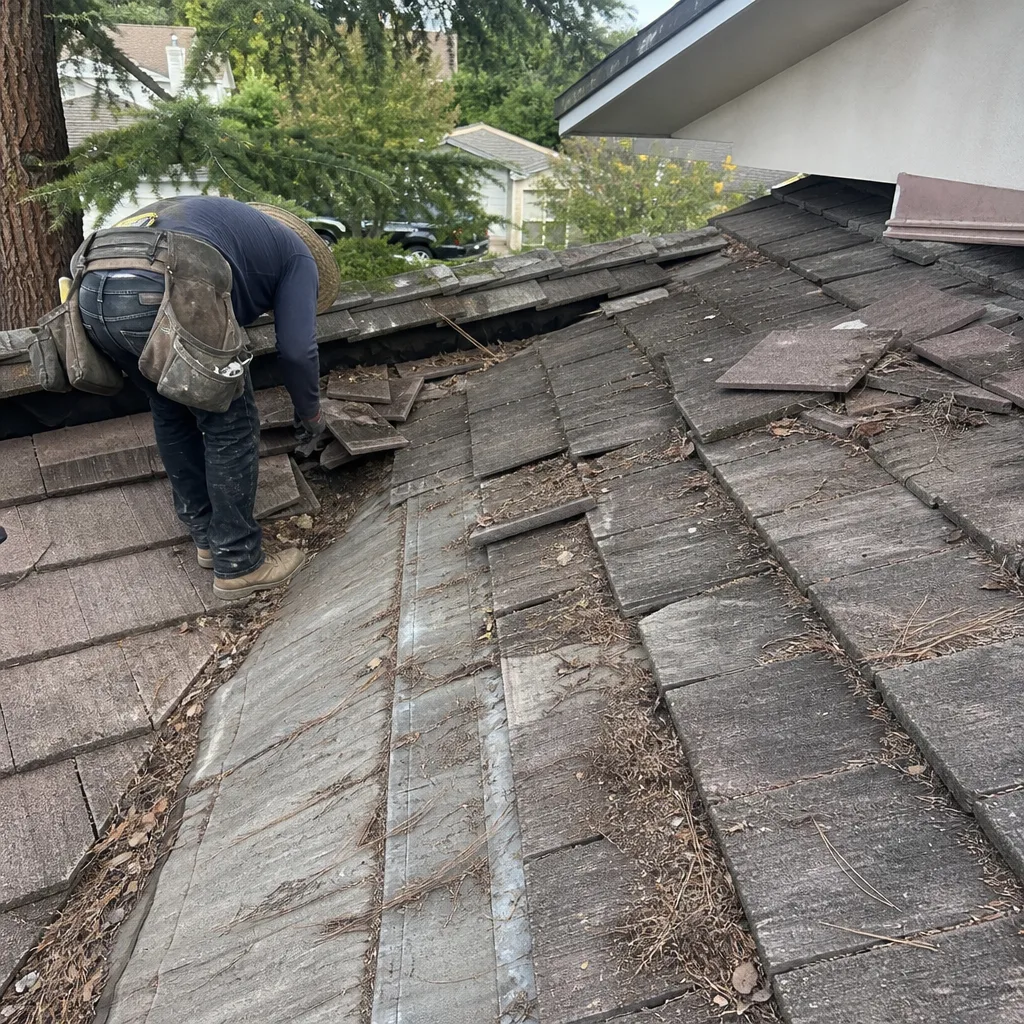 Before
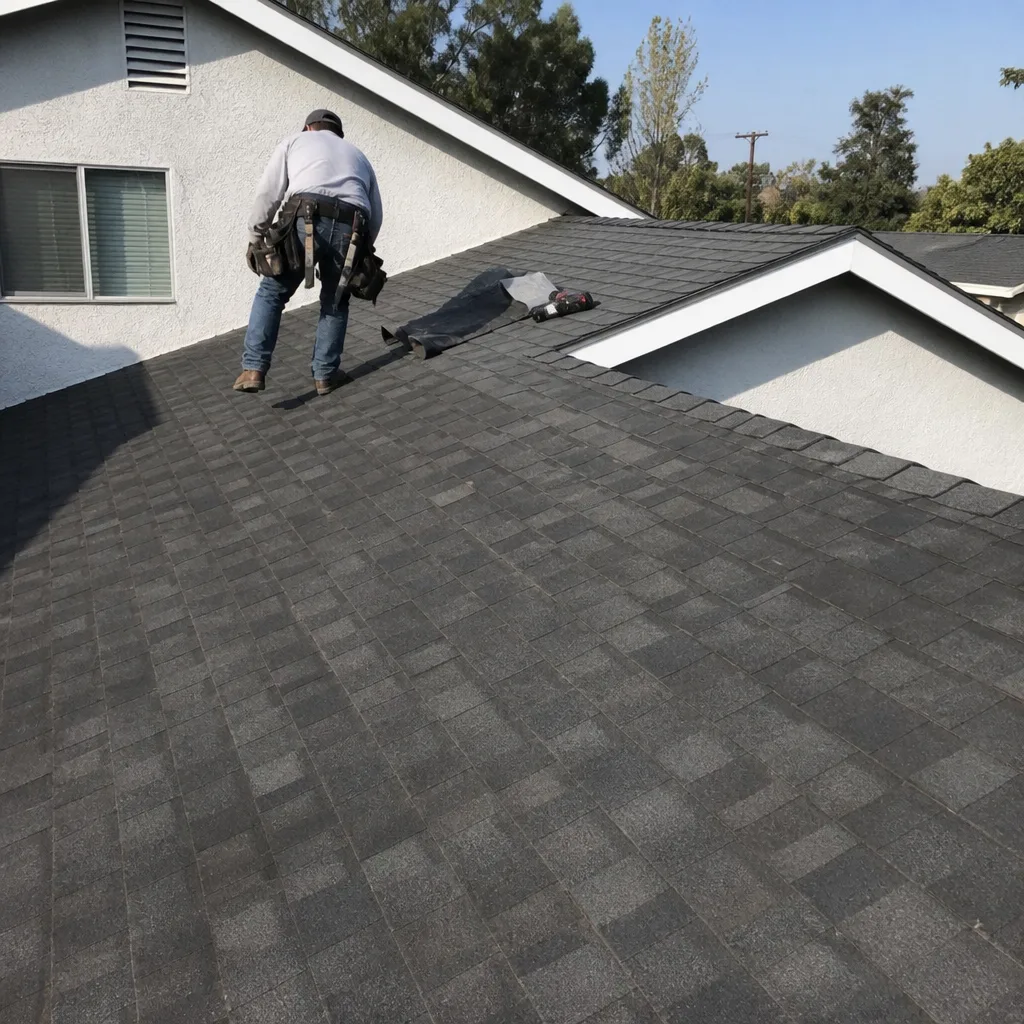 After
After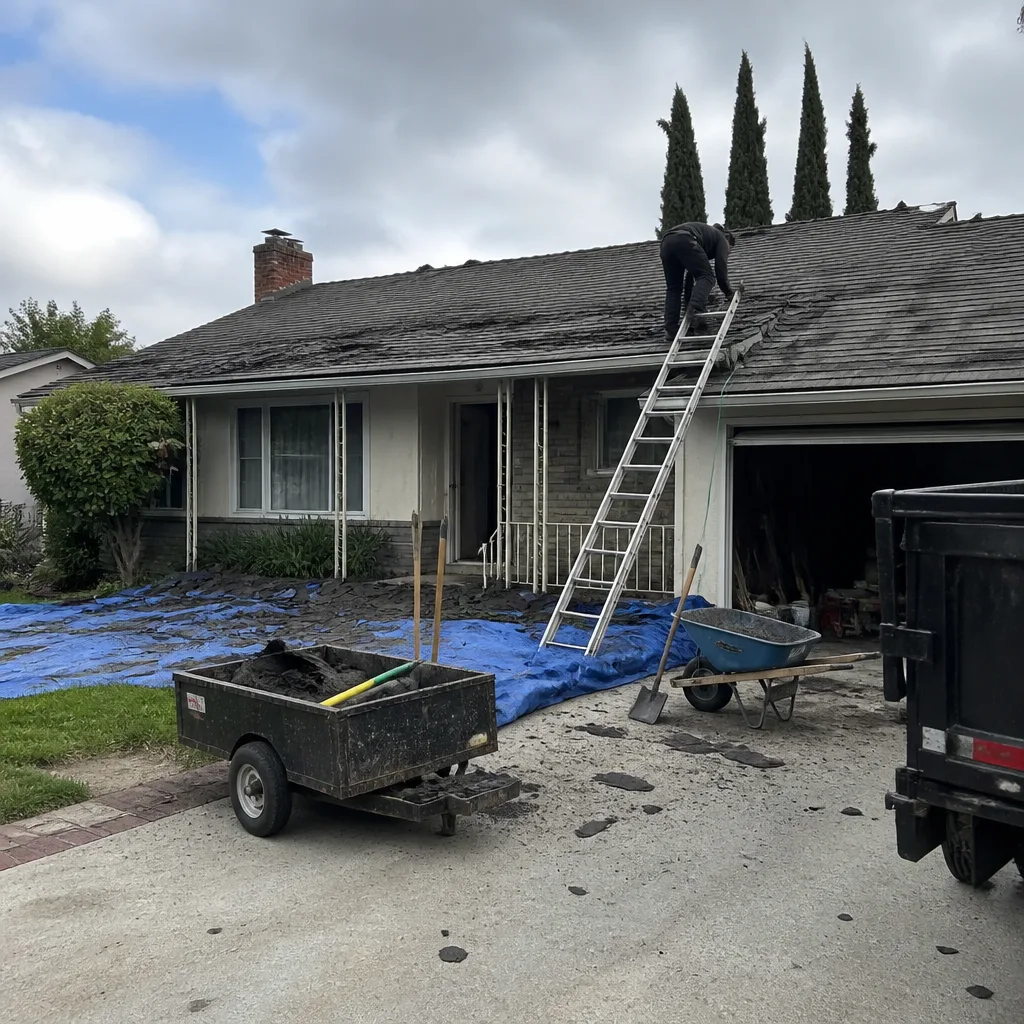 Before
 After
After Before
 After
After