
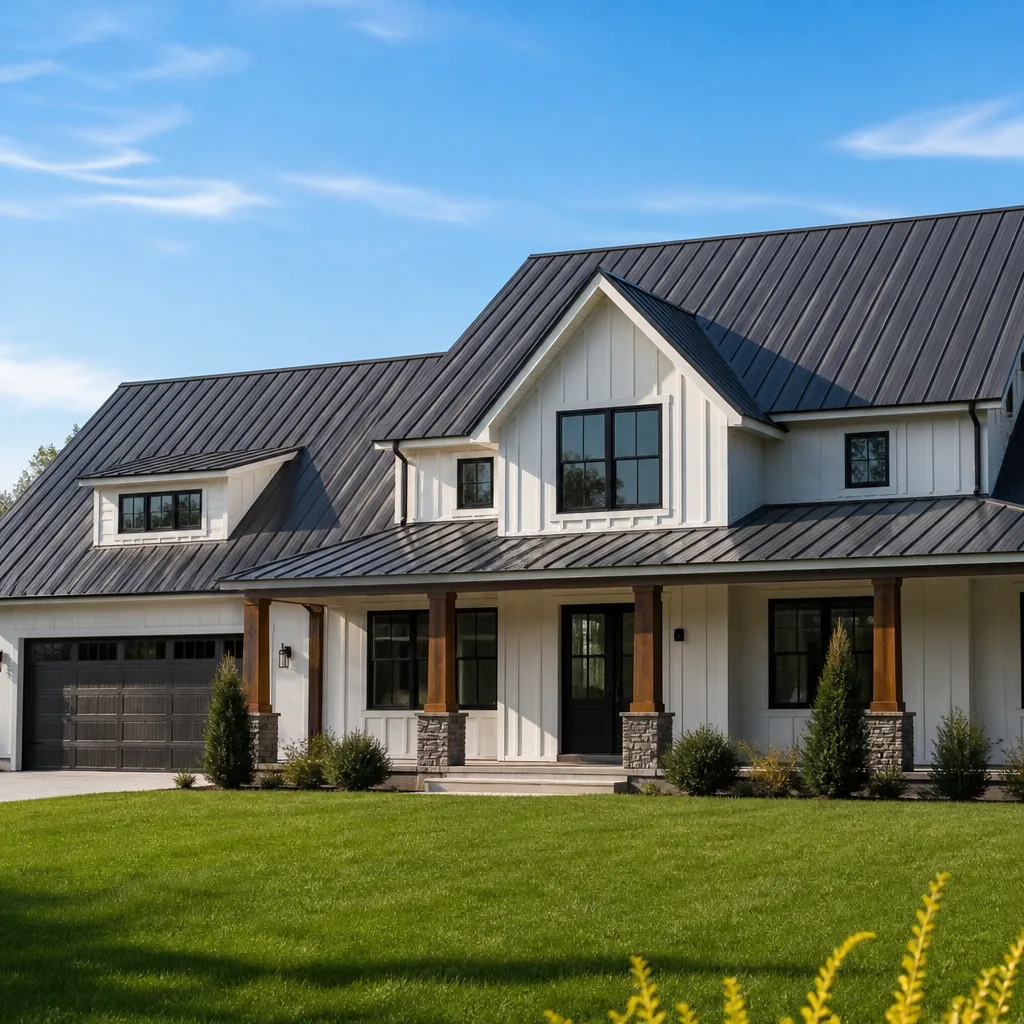
 Metal roofing
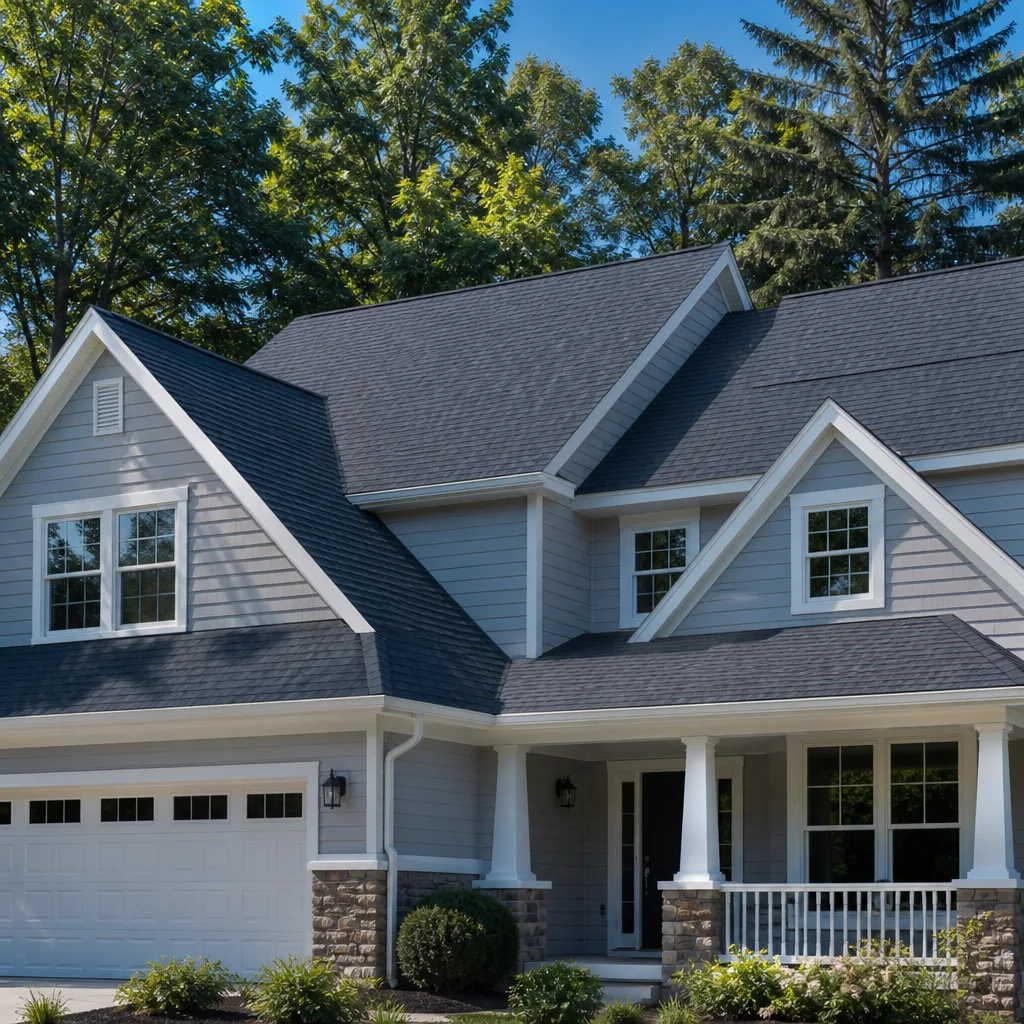
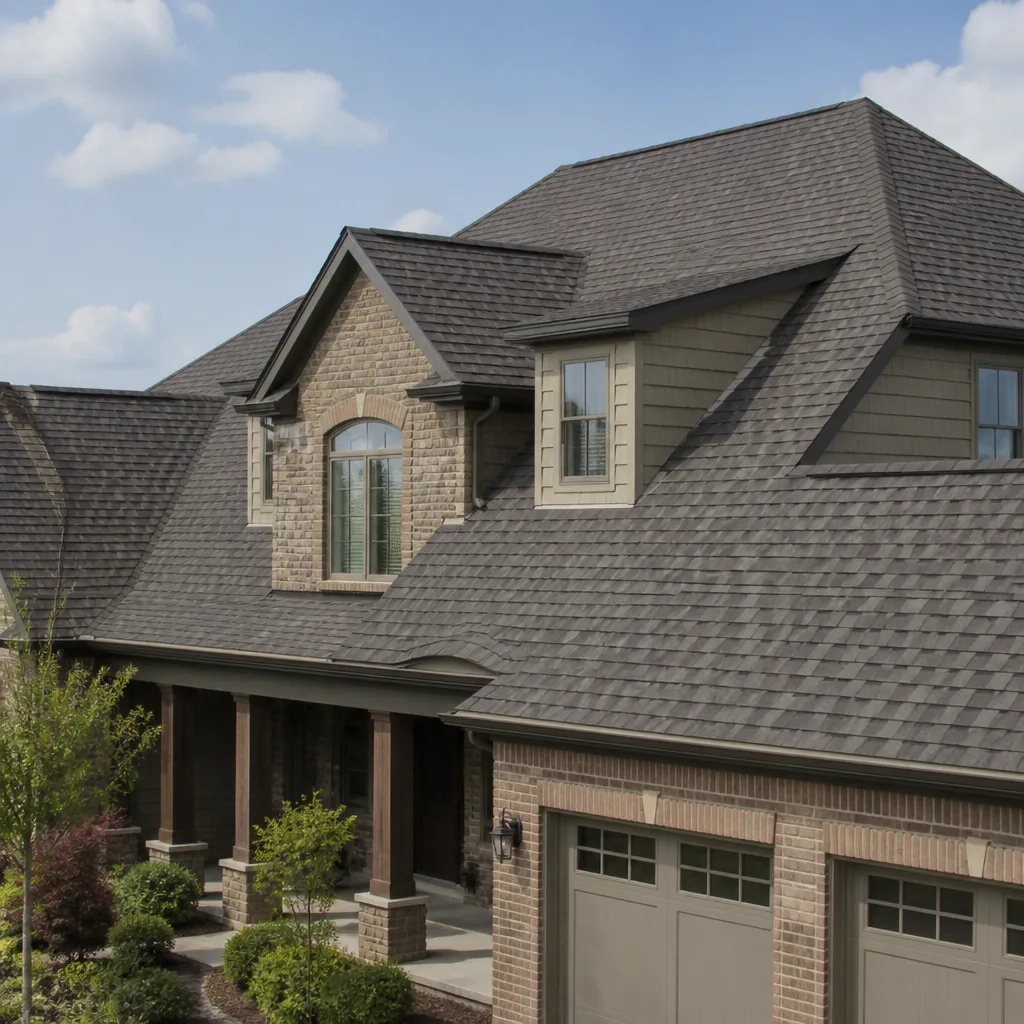 Architectural shingles
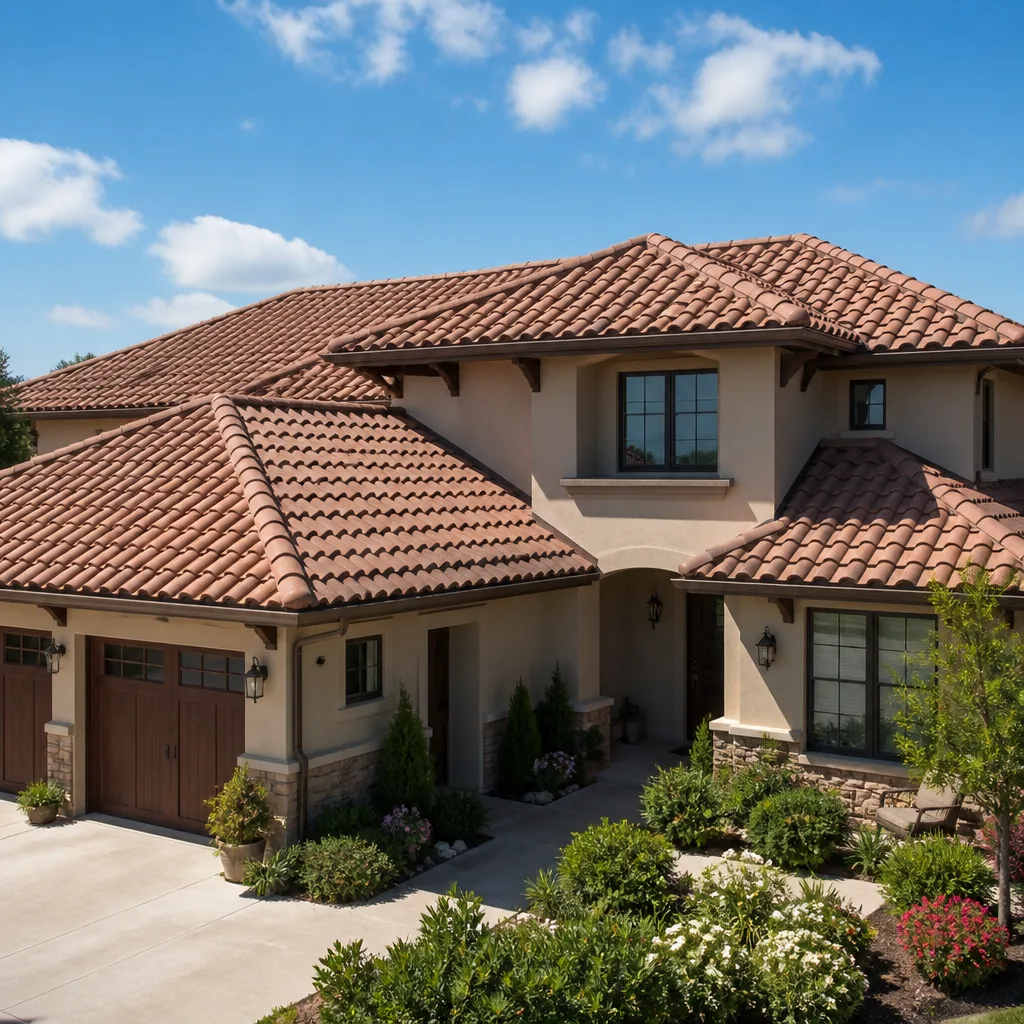 Tile roofing
 GAF
GAF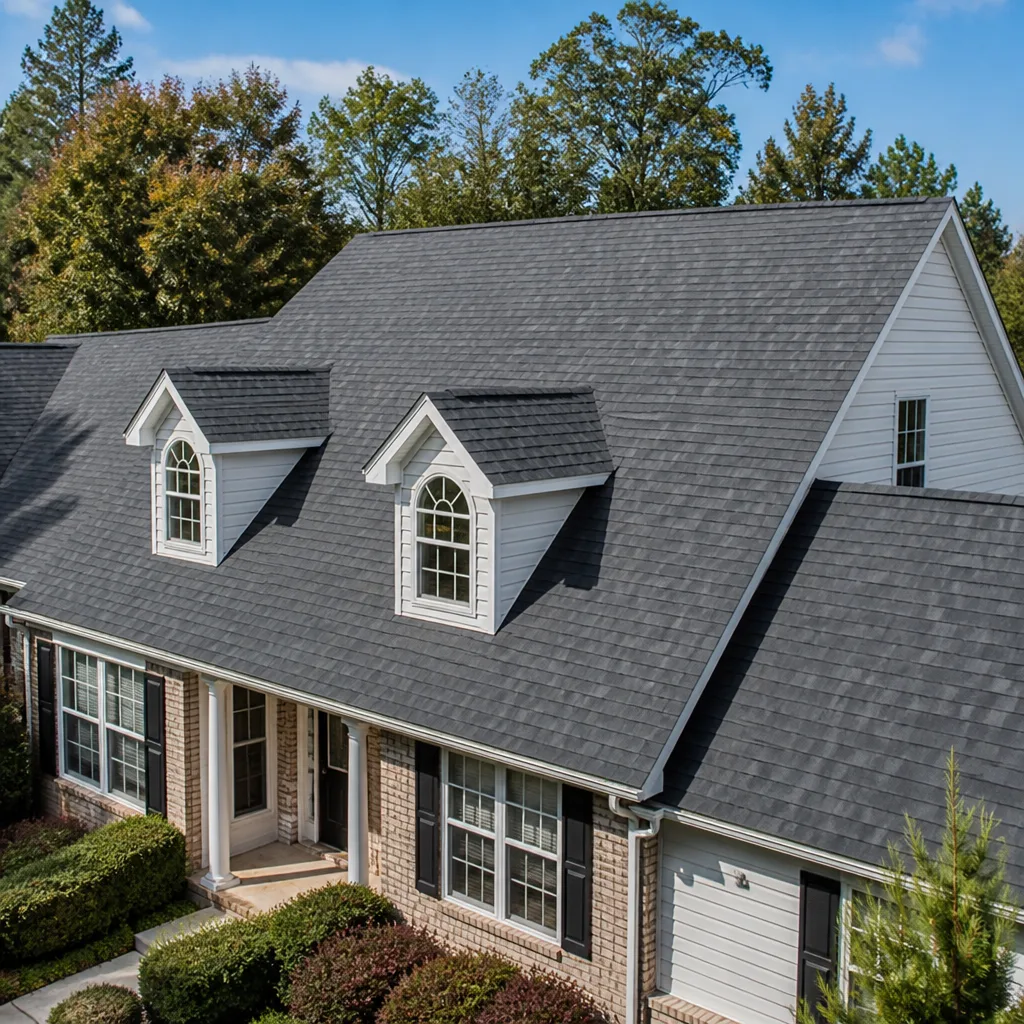 Owens Corning
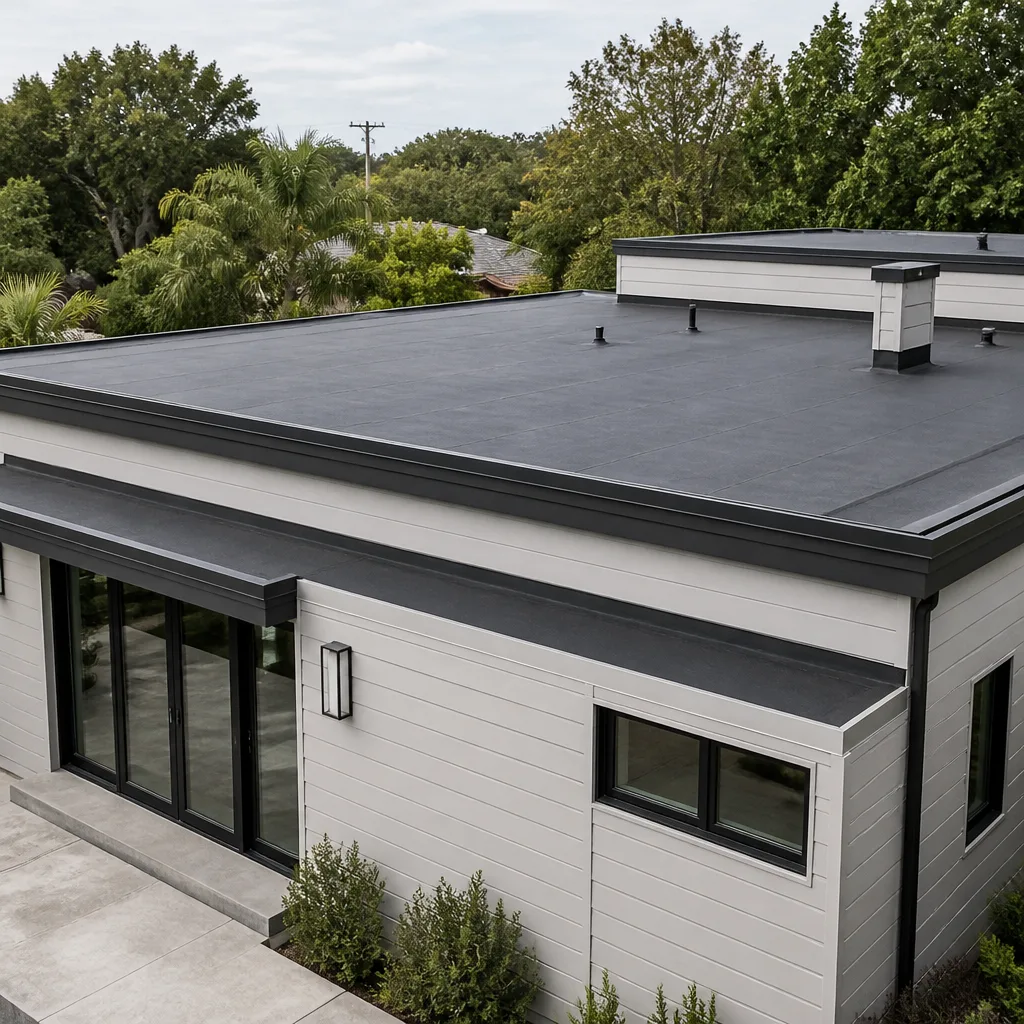 Flat & low-slope
Free roof inspection with deck photos before we talk money - GAF and Owens Corning certified installation
Fast, Reliable Roof Installation Across La Verne
Roof installation in La Verne means choosing materials that can survive the city’s brutal summer heat and the Santa Ana winds that sweep down from the San Gabriels every autumn. A new roof here typically runs $11,500 to $24,000 for a standard ranch home, depending on whether you stay with architectural asphalt or upgrade to concrete tile or a standing seam metal system. We’re Crestview Roofing Co West Covina, and our crews install across La Verne every week from the Lordsburg flatlands up to the newer hillside estates north of Foothill Boulevard. Call (831) 777-6412 for a written price before any work starts.
Why Crestview Roofing Co West Covina Is La Verne’s Preferred Roof Installation Company
We work this city because we understand what its roofs go through. La Verne sits far enough inland that summer afternoons regularly cross 100°F, and that heat does real damage: asphalt shingles shed granules, decking becomes brittle, and concrete tile nails corrode faster than anyone expects. We’ve pulled decking off 1960s ranchers in Lordsburg that crumbled in our hands, and we’ve watched original 3-tab shingles split at the nailing strip during the year’s first big wind, months before the rain even arrives. That’s why we build our La Verne installs to a 130-mph wind standard, use stainless steel flashing, and specify underlayments matched to your specific material, not just whatever is on the truck.
Every La Verne job gets the same treatment: a written line-item price before any work starts, photo documentation before and after, a live arrival time you can track from your phone, and a digital invoice sent by text. Dylan Pace built Crestview Roofing in 2000 on the idea that homeowners should see exactly what they’re paying for, and that still governs everything we do. Our Roof Installation team brings background-checked, uniformed technicians to every job, and a live person answers our phones 24/7 so you’re never stuck in a voicemail loop.
Styles & brands we work with
Roof Ventilation in La Verne
Roof Ventilation in La Verne is not optional, because this city’s attic temperatures in August regularly push past 140°F when airflow is poor. What’s involved is straightforward: we calculate your attic’s cubic footage, then install the right balance of intake vents at the eaves and exhaust vents at the ridge, often upgrading older homes from passive gable vents to a ridge-and-soffit system that actually moves air. A homeowner here needs ventilation work when they see curling shingles over heated rooms, feel heat bleeding through bedroom ceilings in the summer, or find condensation staining the underside of roof decking in winter.
Most ventilation corrections on a La Verne ranch run $800 to $2,400 depending on attic size and whether we’re adding ridge vent, solar-powered attic fans, or just replacing corroded old vents. Homes in the 1950s-to-70s sections around Bonita and Wheeler Avenue often have zero mechanical ventilation and were built when energy was cheap, so they’re usually the first to need help.
When the Attic Cooks the Shingles
A hot attic doesn’t just make the upstairs rooms uncomfortable. It shortens shingle life by years, because the heat bakes the asphalt from below at the same time the sun beats it from above. We’ve pulled shingles off La Verne roofs that still looked fine from the street but had lost adhesion underneath, all because the attic above them was hitting 150°F every summer afternoon. Correcting ventilation before installing new shingles is the difference between a roof that lasts 15 years and one that lasts 25.
Roof Flashing Installation in La Verne
Roof Flashing Installation in La Verne is where we catch the failures that let water into the places a roof can’t protect on its own. Flashing is the metal strips we bend and seal around chimneys, skylights, vent pipes, and where roof planes meet, and in a city with this much thermal cycling, the original flashing on older homes is usually the first part of the roof to go. Homeowners here need flashing replaced when they see rust stains running down from the chimney, caulk that’s cracked around pipe boots, or water marks on ceilings near exterior walls after a heavy rain. Most flashing replacements on a standard La Verne home run $450 to $1,800 depending on how many penetrations there are and whether we’re replacing the entire flashing system or just resealing problem areas.
Stainless Steel vs. Galvanized
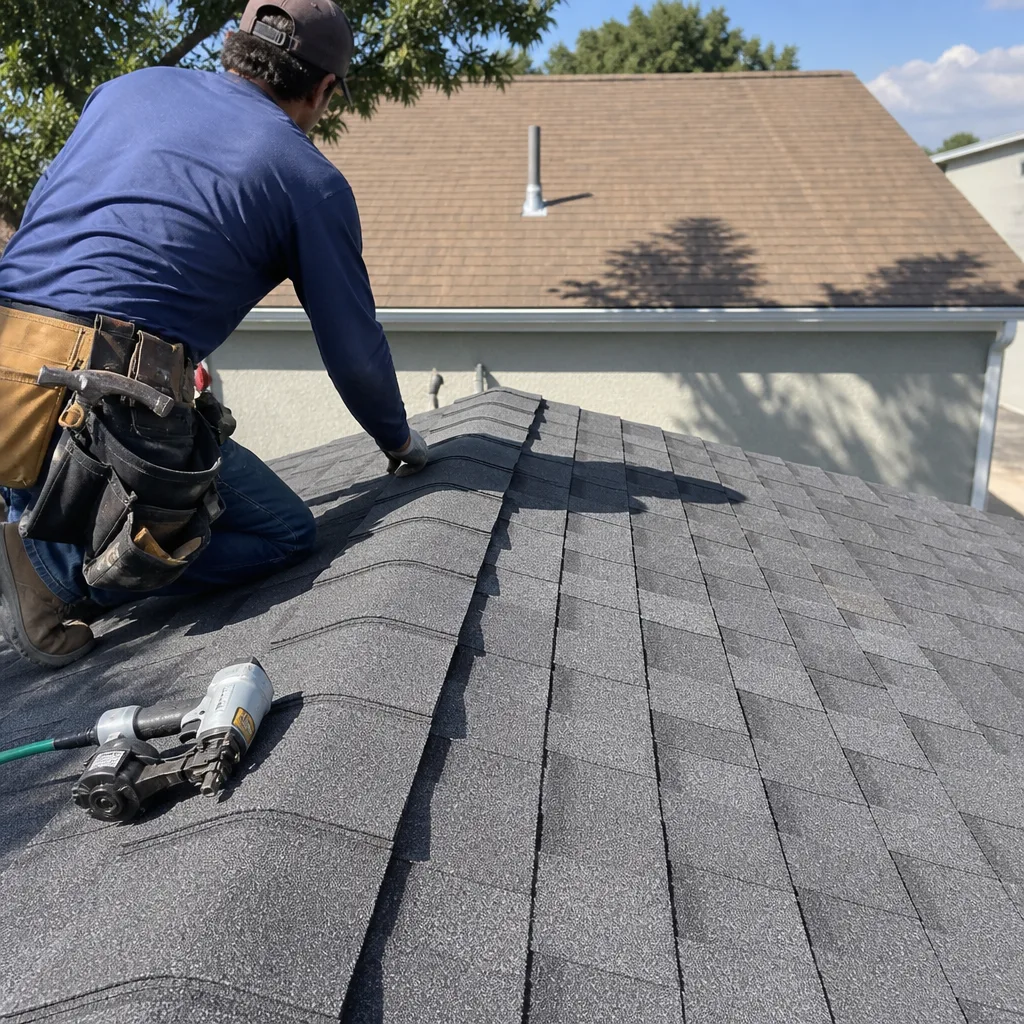
We specify stainless steel flashing on every La Verne install because the standard galvanized metal most roofers use corrodes badly in this dry heat, especially where sprinklers overspray or tree sap collects. Stainless costs more at the outset, maybe an extra $300 to $600 on a full roof, but it doesn’t rust out in a decade the way galvanized does. When we installed a GAF architectural shingle roof on a 1960s ranch in Lordsburg recently, we replaced every piece of original flashing with stainless steel, added ice and water shield at the valleys, and the homeowner never has to think about chimney leaks again.
Trusted Brands We Service in La Verne
We install and repair using GAF, CertainTeed, and Owens Corning materials because these are the brands that hold up to La Verne’s specific climate profile. GAF’s architectural shingles carry the wind ratings we want for the Santa Ana season, CertainTeed’s underlayments handle the thermal cycling of inland heat, and Owens Corning’s ridge vent systems move air the way a La Verne attic needs. We keep stock of common flashing sizes, pipe boots, and underlayment on our trucks so standard repairs in La Verne don’t wait on a parts order. When you call for a roof replacement, we bring samples and written material specs so you can see the exact product going on your home before you commit.
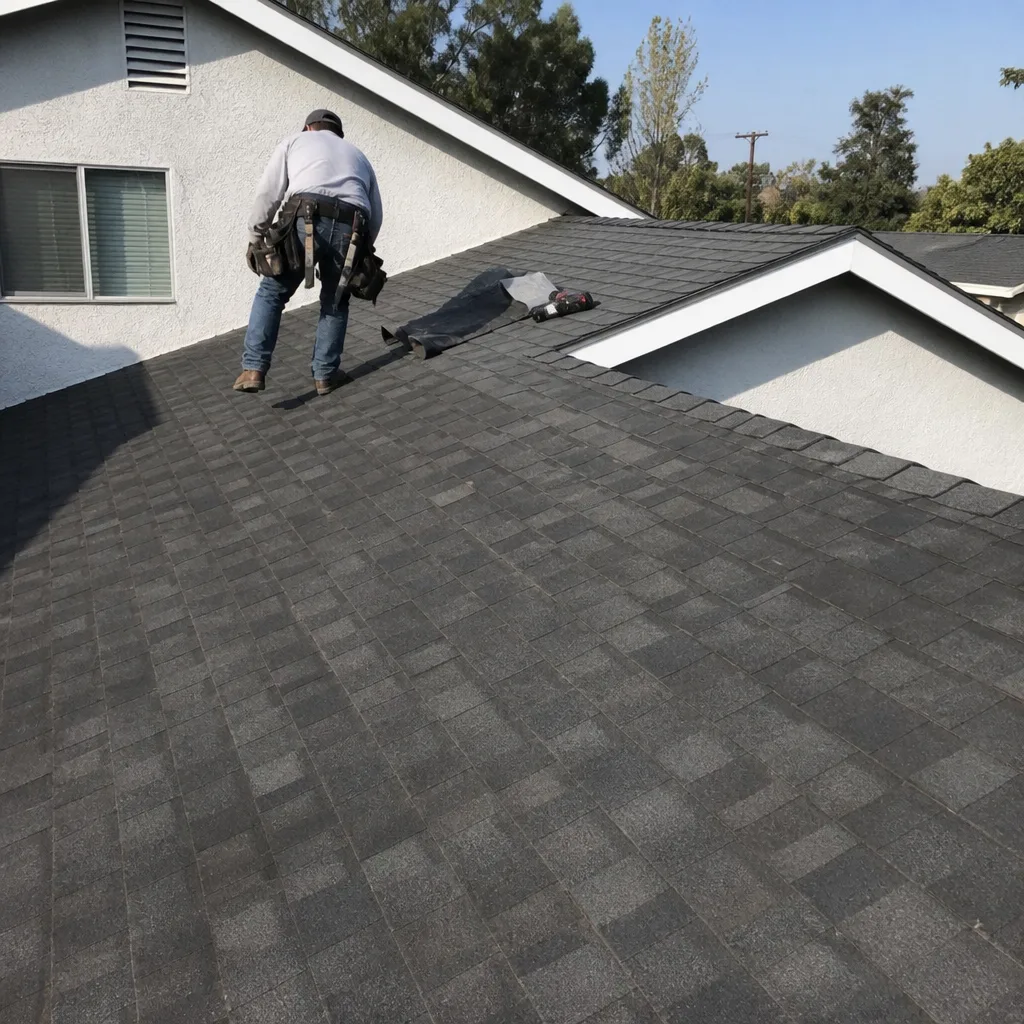
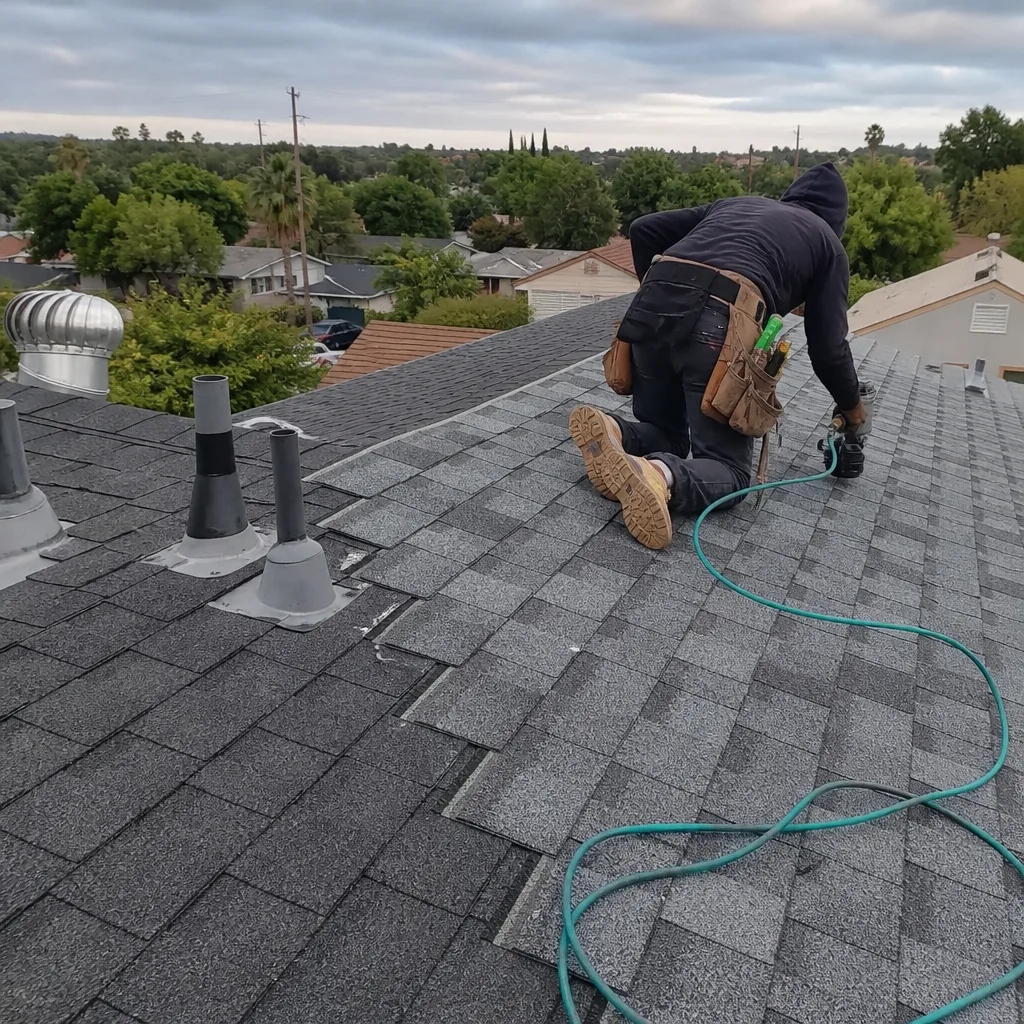
See the difference
 Before
 After
After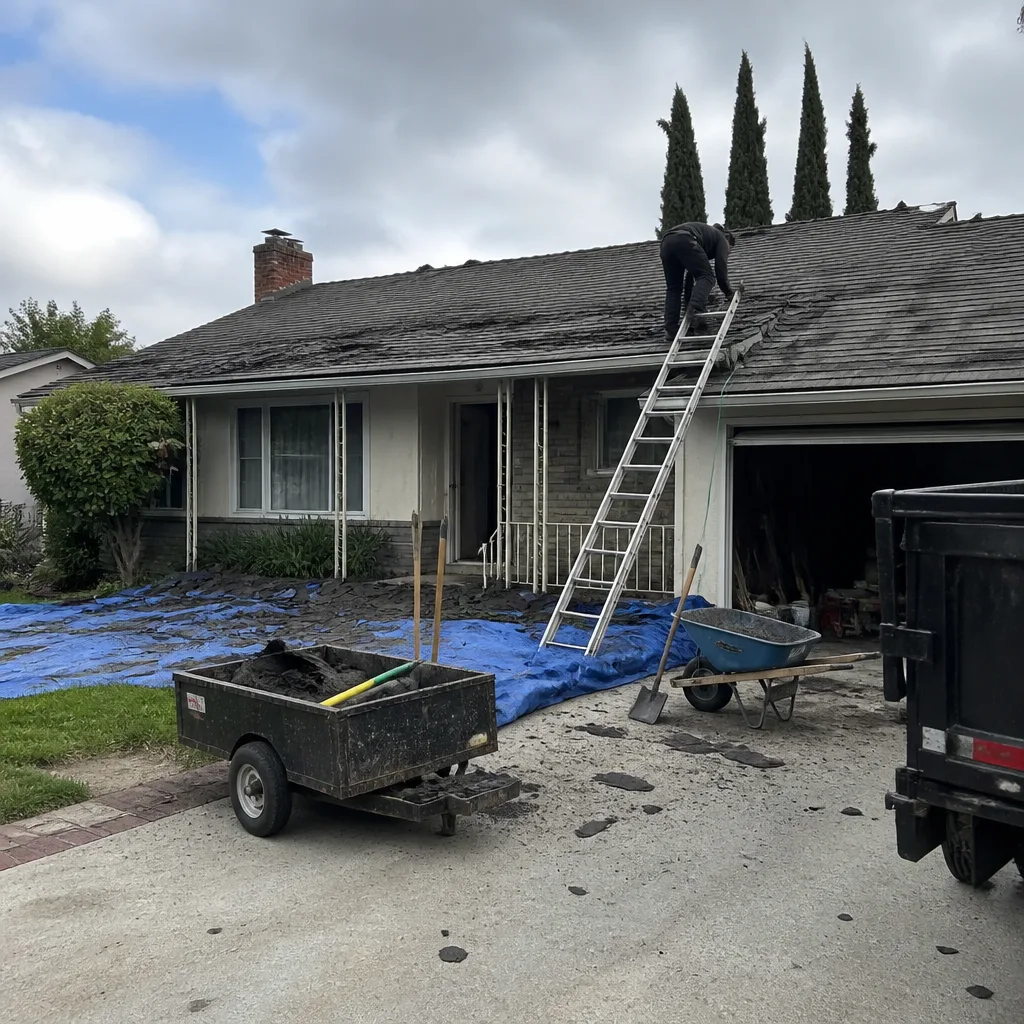 Before
 After
After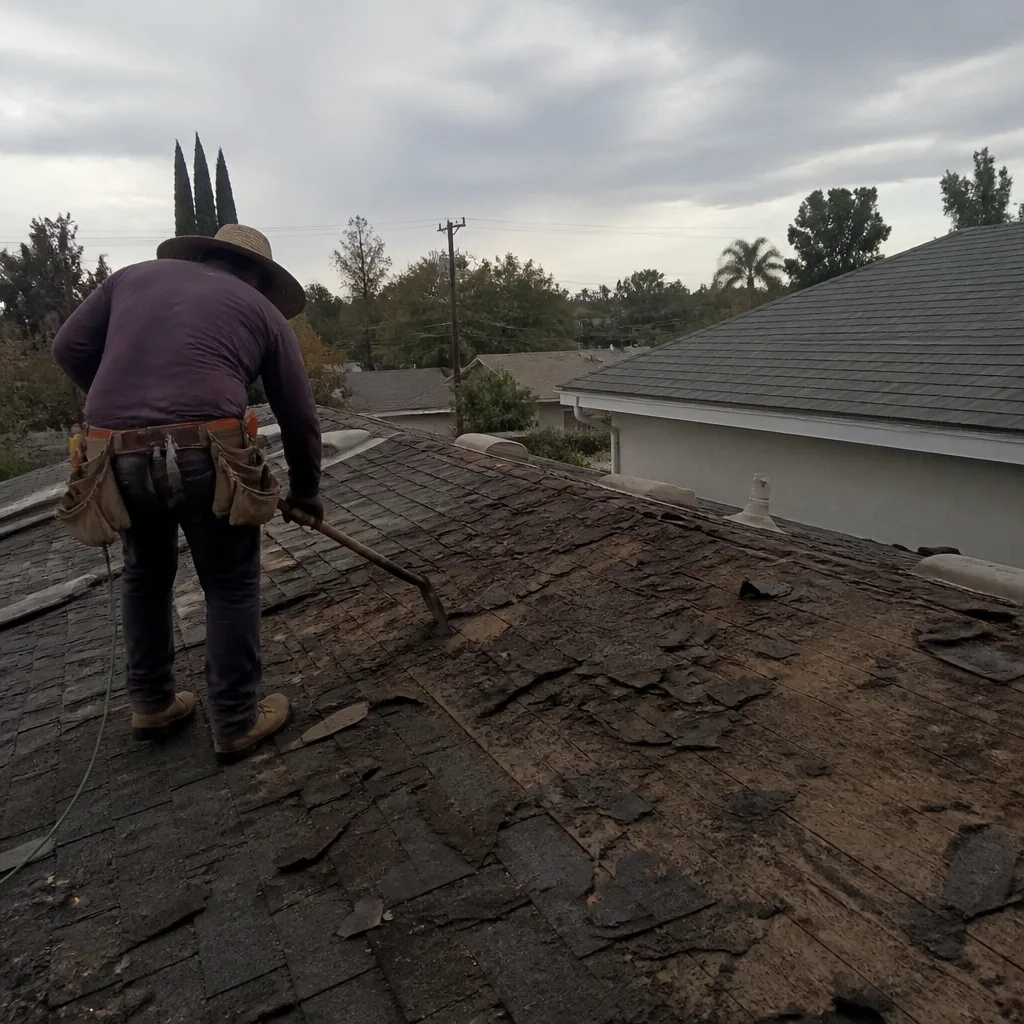 Before
 After
AfterCommon Roof Installation Problems We See in La Verne Homes
- Original 1960s 3-tab shingles splitting at the nailing strip. In the Lordsburg section, many homes still carry their original 3-tab shingles, and we see them tear free during the first strong Santa Ana of autumn, usually before the winter rains. The failure is sudden and complete, not gradual.
- Rusted fascia and soffit metal letting wind-driven rain into the eaves. Sprinkler overspray and tree sap eat through the painted aluminum or galvanized steel on 1950s-to-70s homes, and once the metal is rusted through, water blows right into the attic during storms.
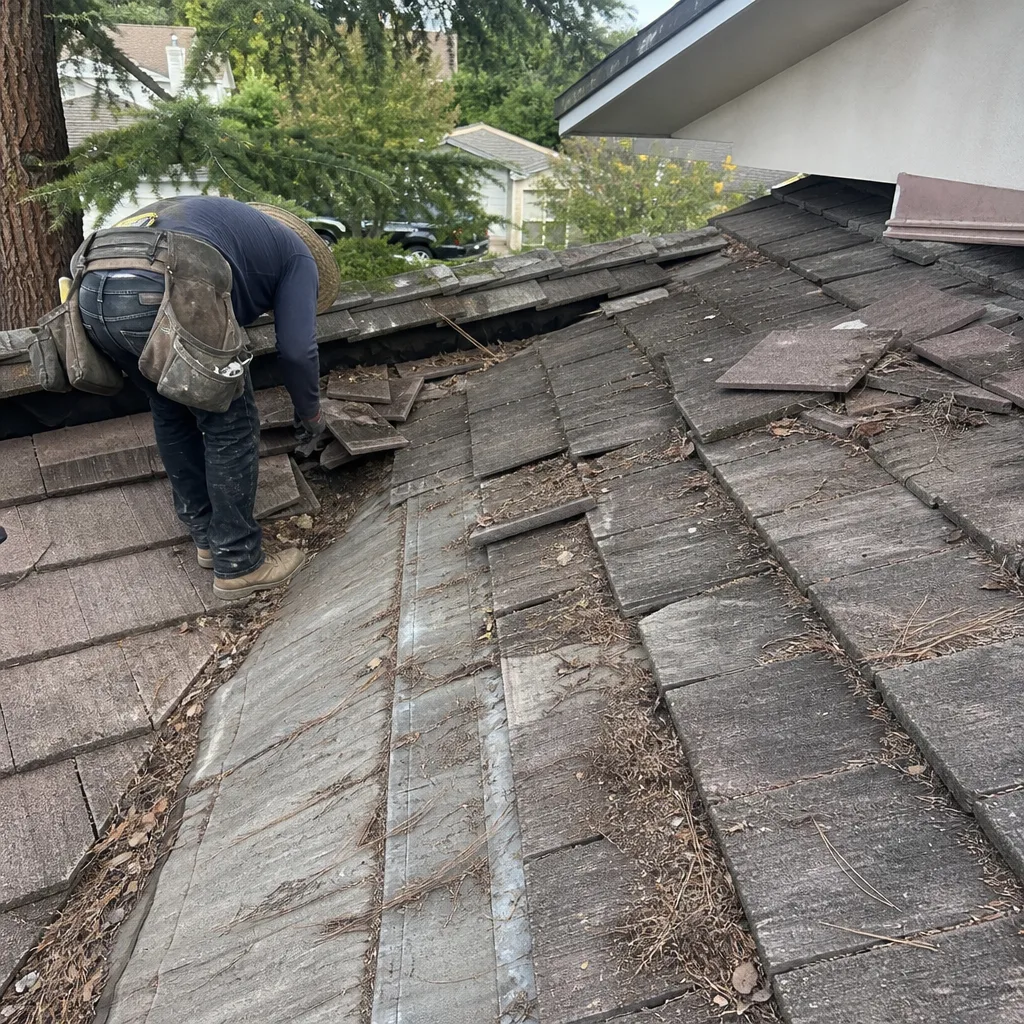
- Concrete tile loosening on steep hillside lots. The newer estates north of Baseline Road have beautiful concrete tile, but the original nails are often corroded by the dry heat, and one strong wind sends tiles sliding down a steep pitch. Repairs require walking the entire roof surface, not just the obvious spot.
- Poorly sealed valleys on ranch homes with low slopes. The long, low rooflines common in La Verne concentrate water at valleys, and if those valleys weren’t originally sealed with a proper underlayment, leaks show up inside the house years before anyone sees a problem from outside.
Pricing for Roof Installation in La Verne, CA
A full roof replacement on a standard La Verne ranch home with architectural asphalt shingles runs $11,500 to $18,000, including tear-off, underlayment, flashing, and new ventilation where needed. Concrete tile on a hillside estate starts around $19,000 and can go to $28,000 or more depending on pitch and complexity. The gap between the cheap inland-spec quote and the coastal-spec quote we recommend is usually $2,000 to $4,000 on an average home, and it comes down to stainless steel flashing, higher-grade underlayment, and the 130-mph wind nailing pattern. The cheap spec costs more within a decade because you’ll be paying for flashing repair and shingle replacement before the better roof is even halfway through its life. Call (831) 777-6412 for a free, written estimate on your home.
We Also Serve Cities Near La Verne
Crestview Roofing Co West Covina installs roofs across the San Gabriel Valley, and we regularly run crews to Azusa, West Covina, Rowland Heights, and Hacienda Heights from our Los Angeles dispatch office. If you’re outside La Verne proper but still in the inland climate belt, we bring the same written pricing and guarantee to your job. See our Roof Installation in La Verne page for full details on local coverage.
Serving La Verne, CA - Our Local Coverage Area
We’re based in the La Verne area and know this community well. Use the map below to see our service coverage - if you’re nearby, we can almost certainly help.
FAQs About Roof Installation in La Verne
Most La Verne roofs that fail in autumn are original 3-tab shingles from the 1960s in the older flatland sections, and the reason is simple: decades of 100°F summer heat have dried out the asphalt and weakened the nailing strip, so when the first strong Santa Ana wind arrives, the shingles split at the nail line and tear free all at once. We see this pattern every year, which is why we recommend a free roof inspection in September if your home still has its original roof. Call (831) 777-6412 before the first wind event.
Yes, concrete tile and asphalt shingles require different underlayments because tile roofs in La Verne rely on the underlayment to do the waterproofing work, since wind-driven rain can get under tiles on steep hillside pitches. We use a high-heat synthetic underlayment rated for 130-mph wind uplift under tile, while asphalt shingle installs get a standard reinforced felt or synthetic underlayment matched to the shingle product. The underlayment is not a place to save money on a La Verne roof.
The average 1950s-to-70s ranch home in La Verne has a roof between 18 and 26 squares, where one square equals 100 square feet of roof surface. It matters because every quote you receive will be calculated per square, and knowing your roof’s square count lets you compare bids fairly before you ever sign. A 22-square roof at $450 per square is $9,900 for shingles, underlayment, and labor, then flashing, ventilation, and tear-off add on top of that.
We use the manufacturer’s high-wind nailing pattern: six nails per shingle instead of the standard four, placed at the specified points along the nailing strip, plus a starter strip course at the eaves and rakes. In La Verne’s Santa Ana wind conditions, this is the difference between shingles staying put at 80 mph and shingles lifting and cracking at 60 mph. Most roofing crews in this area don’t do it because it takes more time and more nails, but it’s the only way we’ll install a roof here.
Yes, the newer estates north of Baseline Road need upgraded flashing because their steeper pitches and higher wind exposure mean water gets driven sideways and uphill in a way that standard flashing doesn’t handle. We bend custom stainless steel flashing at every skylight, chimney, and valley on those homes, and we seal every joint with a polyurethane sealant rated for this heat. Standard off-the-shelf flashing fails on those hillside homes within a few seasons.
Written by Dylan Pace, Owner at Crestview Roofing Co West Covina, serving La Verne since founding in 2000.