
Last updated October 17, 2026
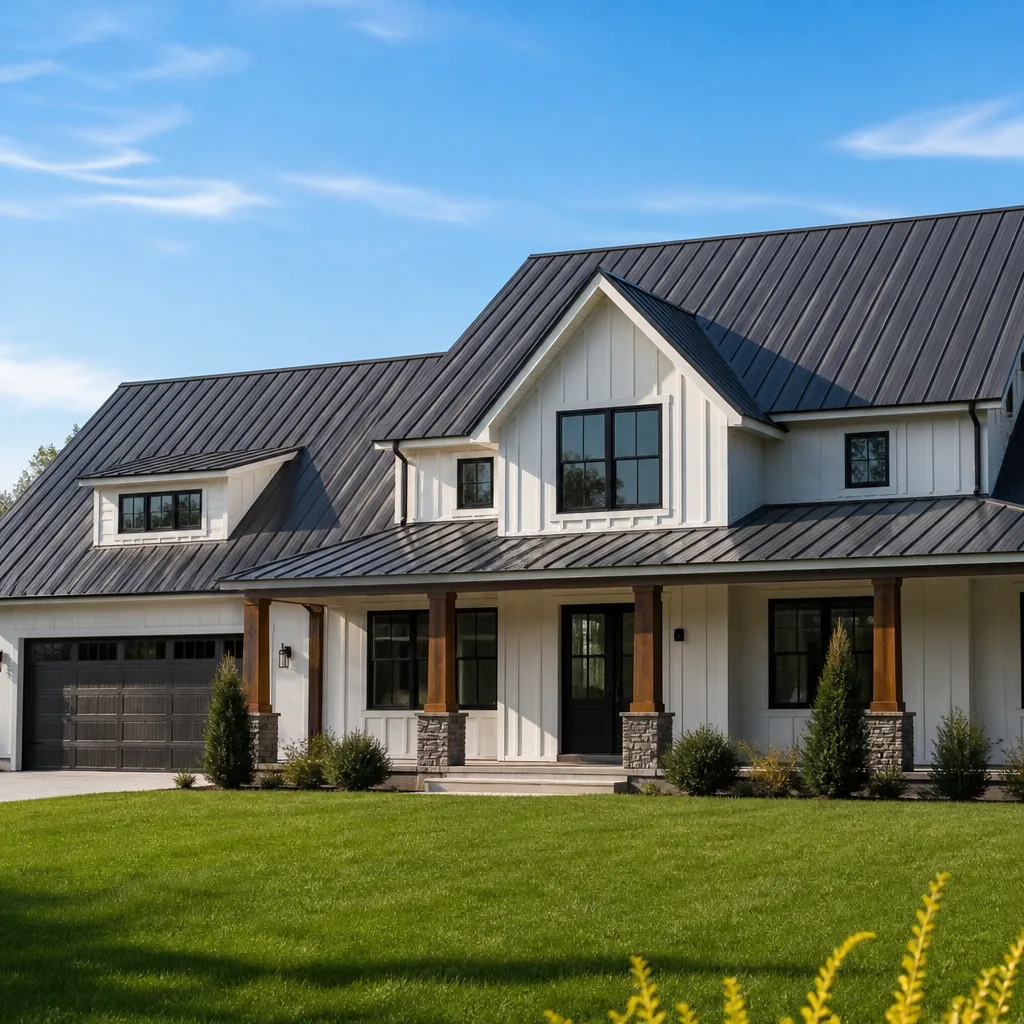 Metal roofing
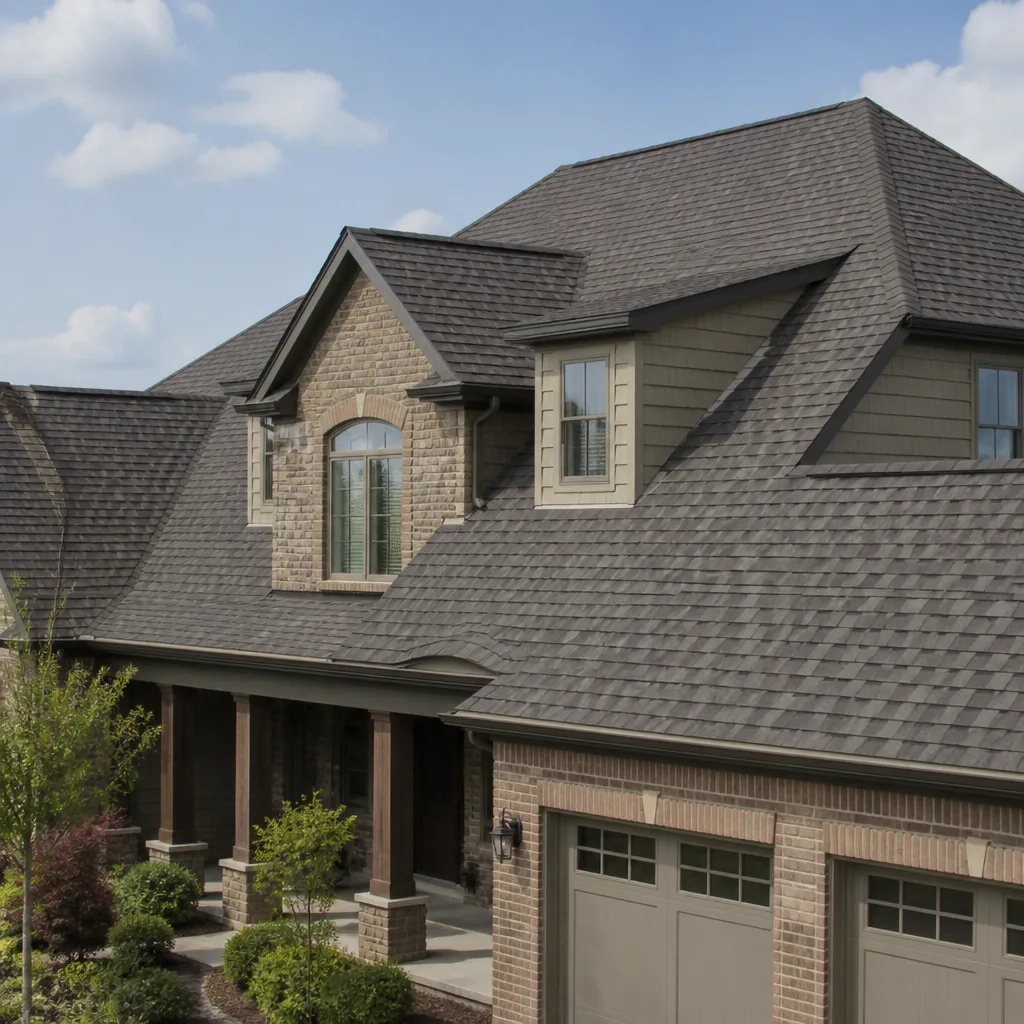 Architectural shingles
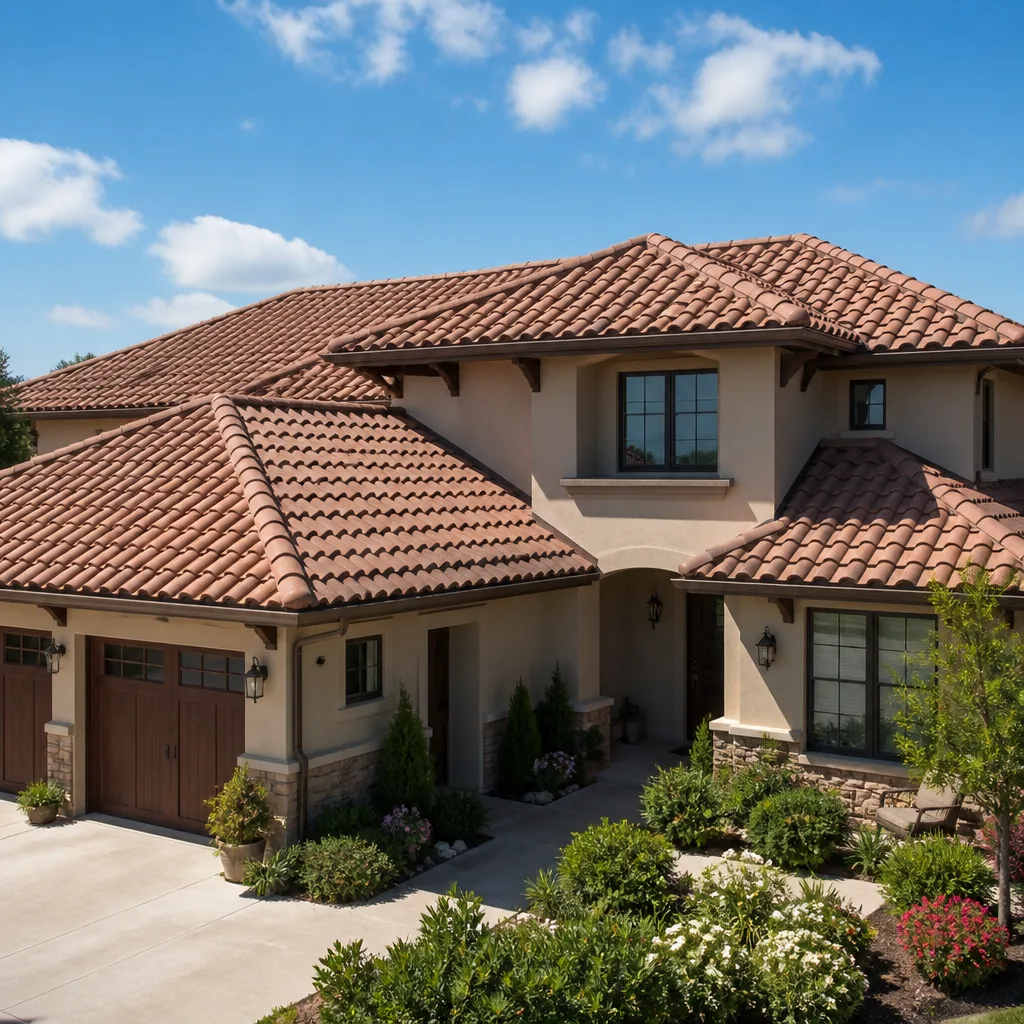 Tile roofing
 GAF
GAF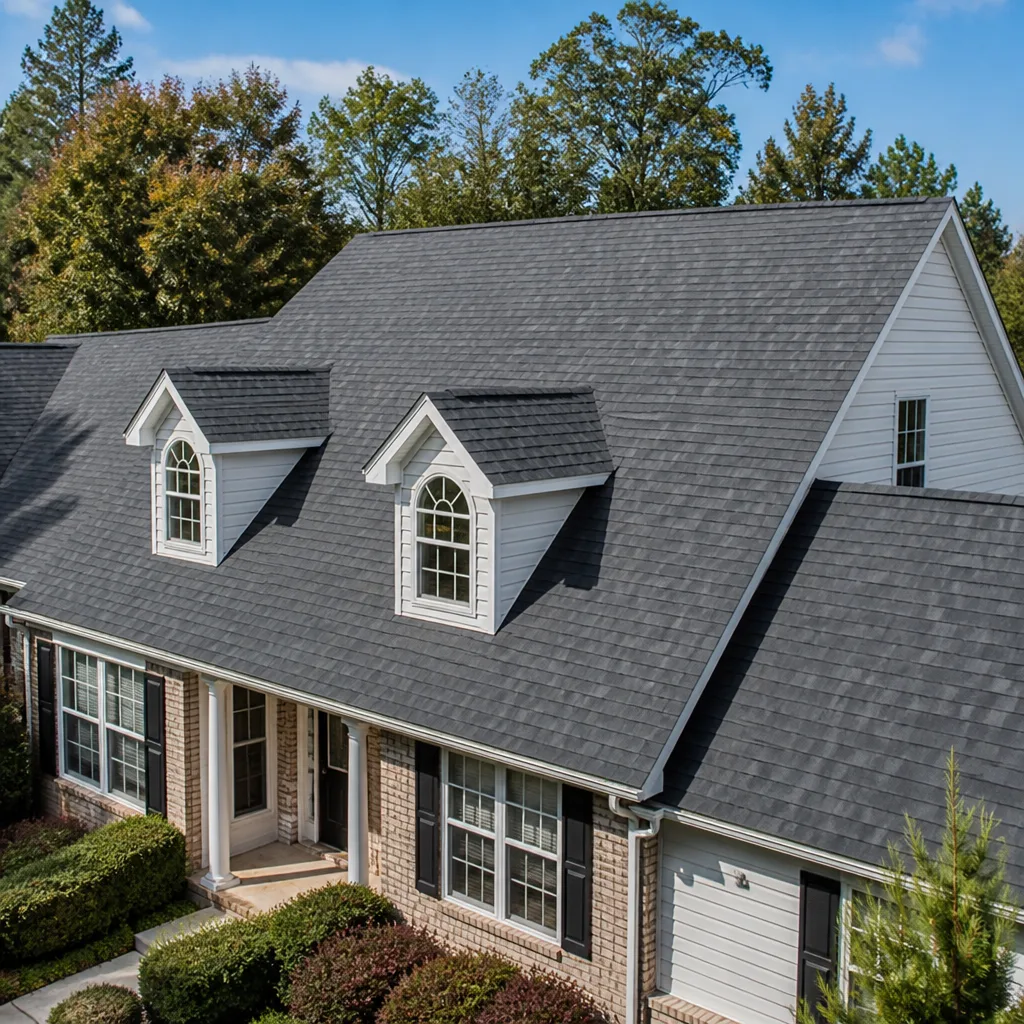 Owens Corning
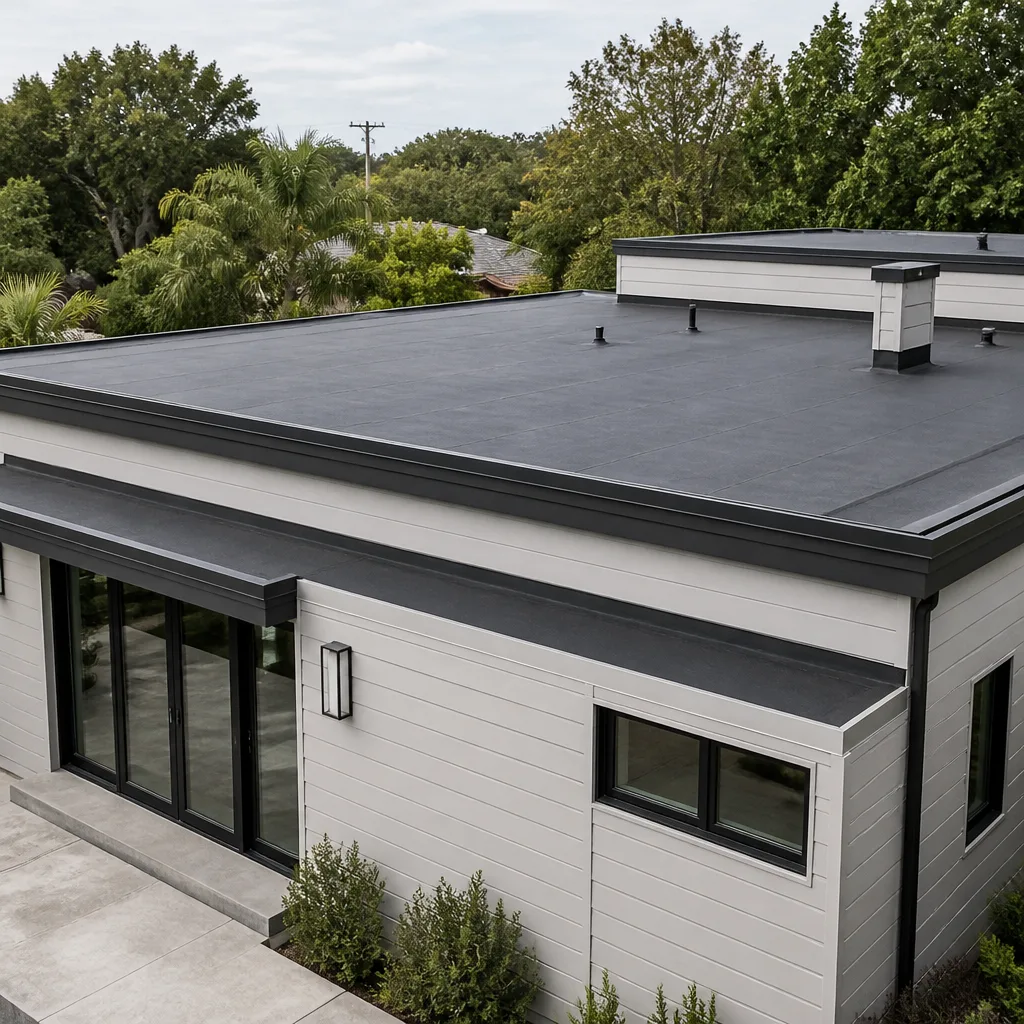 Flat & low-slope
Free roof inspection with deck photos before we talk money - GAF and Owens Corning certified installation
Roofing Permits, Codes & Inspections in CA: What You Need to Know
A West Covina homeowner replaced her entire roof without pulling a permit, then tried to sell the house two years later. The escrow company flagged the unpermitted work during disclosure review, and she paid $4,200 to have sections of the new roof torn up for a retroactive inspection. The roofing itself was probably fine. The paperwork wasn’t. This guide explains exactly when California requires a roofing permit, what Title 24 energy code demands in West Covina’s climate zone, and how the city inspection process actually works so you don’t end up in the same position. For a broader overview, see our Complete Guide to Roofing in West Covina.
Styles & brands we work with
Quick Answer
Most full roof replacements in California require a building permit from your city or county, while minor repairs under 100 square feet generally don’t. If you’re re-roofing in West Covina, you’ll also need to meet Title 24 cool roof requirements for Climate Zone 9, which typically means installing a product with a minimum aged solar reflectance and thermal emittance rating. The permit process involves submitting project details, paying fees that usually run between $200 and $500, and scheduling at least one city inspection before final approval.
Table of Contents
- When a California Roofing Job Requires a Permit (and When It Doesn’t)
- Title 24 and Cool Roof Rules for West Covina (Climate Zone 9)
- How the West Covina Roof Inspection Process Works
- Permits and Your Homeowner’s Insurance Claim
- HOA Overlay Rules in West Covina: Color, Profile, and Material Limits
- What Permits and Inspections Actually Cost in West Covina
- Who Pulls the Permit: You or the Contractor?
- Common Mistakes to Avoid
- When to Call a Professional
- Frequently Asked Questions
- The Bottom Line
When a California Roofing Job Requires a Permit (and When It Doesn’t)
California building code requires a permit for any roofing project that involves structural changes, which includes most tear-offs and full replacements. The state’s exemption threshold is straightforward: repairs covering less than 100 square feet of roof area generally don’t need a permit, as long as you’re not altering the roof structure, changing the roof pitch, or removing more than one layer of existing material. That “100 square feet” rule is the line most homeowners get wrong, and it’s worth understanding precisely.
Here’s the plain-English breakdown:
- Under 100 square feet: Small patches, isolated shingle replacement, minor flashing repair around a vent pipe. No permit required in most California jurisdictions, including West Covina.
- 100 square feet or more: You cross into permit territory. A 10-foot by 10-foot section is the trigger point.
- Any structural change, regardless of size: Replacing roof sheathing, changing the roof pitch, adding a skylight, or modifying trusses always requires a permit, even if the affected area is small.
- Full re-roof over existing shingles: In most California cities, including West Covina, you can install a second layer of shingles over one existing layer without a permit in some cases, but this is increasingly rare as local codes tighten. West Covina follows the 2022 California Residential Code, which requires a permit when the re-roof involves any structural repair.
- Complete tear-off and replacement: Always requires a permit. No exceptions.
In our experience across West Covina neighborhoods like South Hills and the area around Cameron Park, the confusion usually comes from homeowners who think “it’s just shingles” means the city doesn’t care. If you’re unsure whether your roof needs attention, our Roofing Warning Signs: A West Covina Homeowner’s Reference Guide covers what to look for. The city cares because a botched roof job can fail during a winter rainstorm and damage the structure underneath. The permit isn’t about making your life harder. It’s the city’s record that the work met minimum safety standards.
Dylan Pace often tells customers the same thing: the permit is the cheapest insurance policy you’ll ever buy on a roof. A West Covina permit for a full replacement costs a few hundred dollars. The retroactive fix costs thousands, as the homeowner in our opening story learned. You can read more about how we handle full replacements on our Roof Replacement in West Covina page.
Title 24 and Cool Roof Rules for West Covina (Climate Zone 9)
California’s Title 24 energy code applies to virtually every re-roof job in West Covina, and it’s the layer most contractors either don’t understand or don’t mention. For year-round maintenance tips that complement these requirements, see our Seasonal Roofing Care for West Covina: Year-Round Homeowner’s Guide. West Covina sits in Climate Zone 9, which is a hot, inland zone where the state mandates cool roof standards for new construction and most re-roofs on low-slope and steep-slope residential roofs alike. The requirement is tied to two measurements: solar reflectance (how much sunlight the roof bounces back) and thermal emittance (how efficiently it releases absorbed heat).
For steep-slope roofs (pitch greater than 2:12), which covers most single-family homes in West Covina, Title 24 requires shingles with an aged solar reflectance of at least 0.20 and an aged thermal emittance of at least 0.75, unless exempted. The “aged” label matters because the California Energy Commission tests products after three years of weather exposure, not just when they’re new. A shingle that qualifies when it leaves the factory might not qualify after sitting under the West Covina sun.
Products that commonly meet Zone 9 cool roof requirements include:
- GAF Timberline Cool Series shingles: Engineered with reflective granules that meet Title 24 aged reflectance standards for steep-slope roofs.
- CertainTeed Landmark Solaris: A cool-roof shingle line used frequently on West Covina homes.
- Atlas Pinnacle Sun shingles: Scored from the manufacturer as Title 24 compliant, often specified on re-roofs in hot inland zones.
- Owens Corning Duration Premium Cool shingles: Another option that carries the aged reflectance ratings California requires.
Tile roofs, common in pockets of West Covina’s older housing stock, face different thresholds. Clay and concrete tile often meet the reflectivity requirements naturally without a special coating, though the California Energy Commission maintains a certified product directory that lists approved materials by manufacturer and color. If your roofer can’t show you the product’s CRRC (Cool Roof Rating Council) rating certificate, assume it doesn’t qualify until proven otherwise.
One exemption worth knowing: if your roof has a slope below 2:12 and you’re adding insulation underneath, or if the roof is under a shaded structure like a patio cover, you might qualify for an exception. These exemptions are narrow and usually require documentation. Don’t rely on a contractor’s verbal assurance. Get the CRRC number and check it against the California Energy Commission’s online directory, which is free to use.
Crestview Roofing Co West Covina works with GAF, CertainTeed, and Atlas products among others, and we verify Title 24 compliance before any re-roof proposal is written. The material requirement is a checkable fact, not a judgment call. For a deeper look at how material selection affects a full replacement, see our Roof Replacement in West Covina guide.
How the West Covina Roof Inspection Process Works
The West Covina building inspection process for a roofing permit is relatively simple, but it follows a sequence that surprises homeowners who haven’t been through it. Here’s the step-by-step, in the order it actually happens:
- Permit application submitted. Your contractor or you submit the permit application to the West Covina Building Division, typically with a project description, roof diagram showing the slope and material, and the product data sheet for the roofing material. Fees are calculated based on project valuation.
- Permit issued. Once the plan reviewer confirms the project meets current code (including Title 24), the permit is issued. This usually takes 1 to 5 business days for a standard re-roof in West Covina.
- Work begins. The old roofing is torn off down to the sheathing. If any sheathing is damaged or rotted, the inspector needs to see it before it gets covered. This is a critical point: do not let a crew re-cover damaged decking without calling for an inspection first.
- Sheathing inspection (if applicable). If damaged decking was replaced, the inspector comes out to verify the new sheathing is nailed correctly and meets thickness requirements. This is usually a 10-minute on-site check.
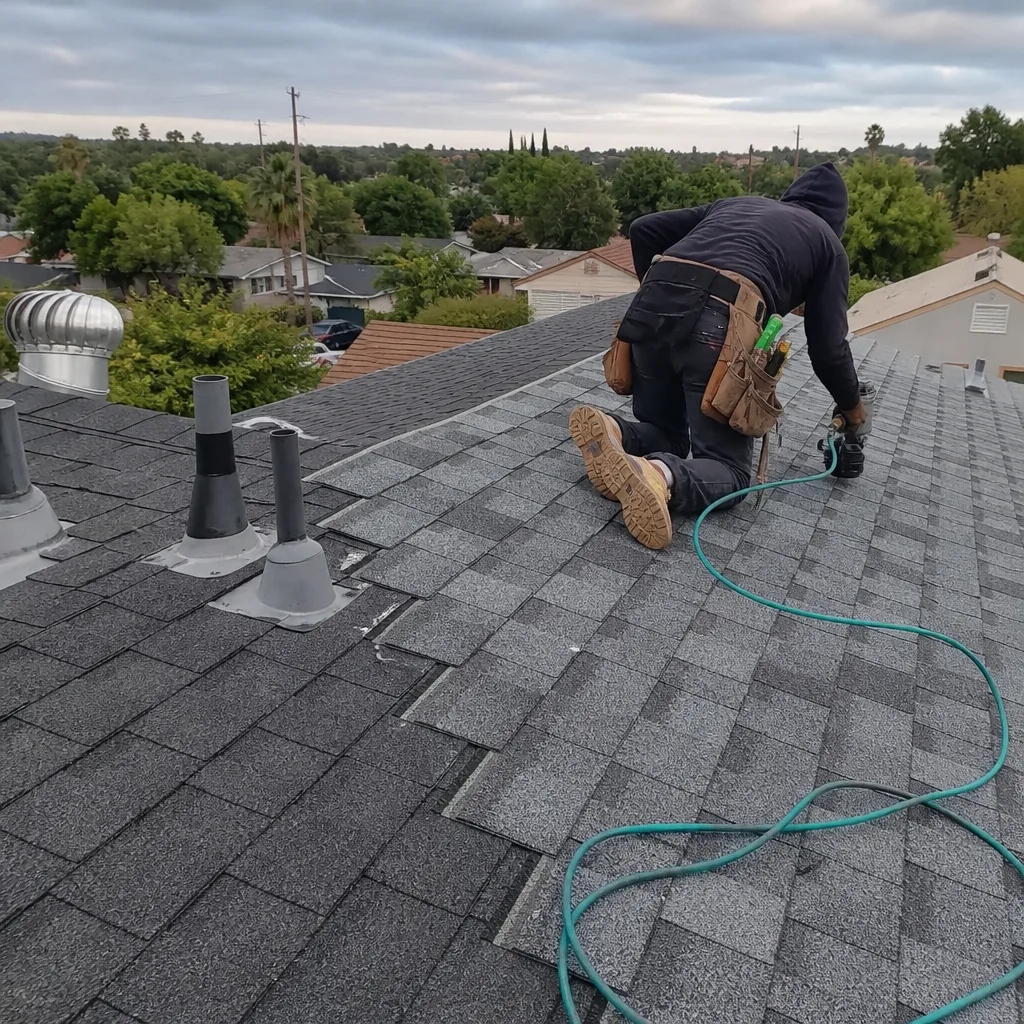
- Underlayment and flashing inspection (sometimes combined). The inspector checks that the underlayment overlaps correctly, that valley flashing and drip edge are installed correctly, and that penetrations like vents and skylights are sealed the right way.
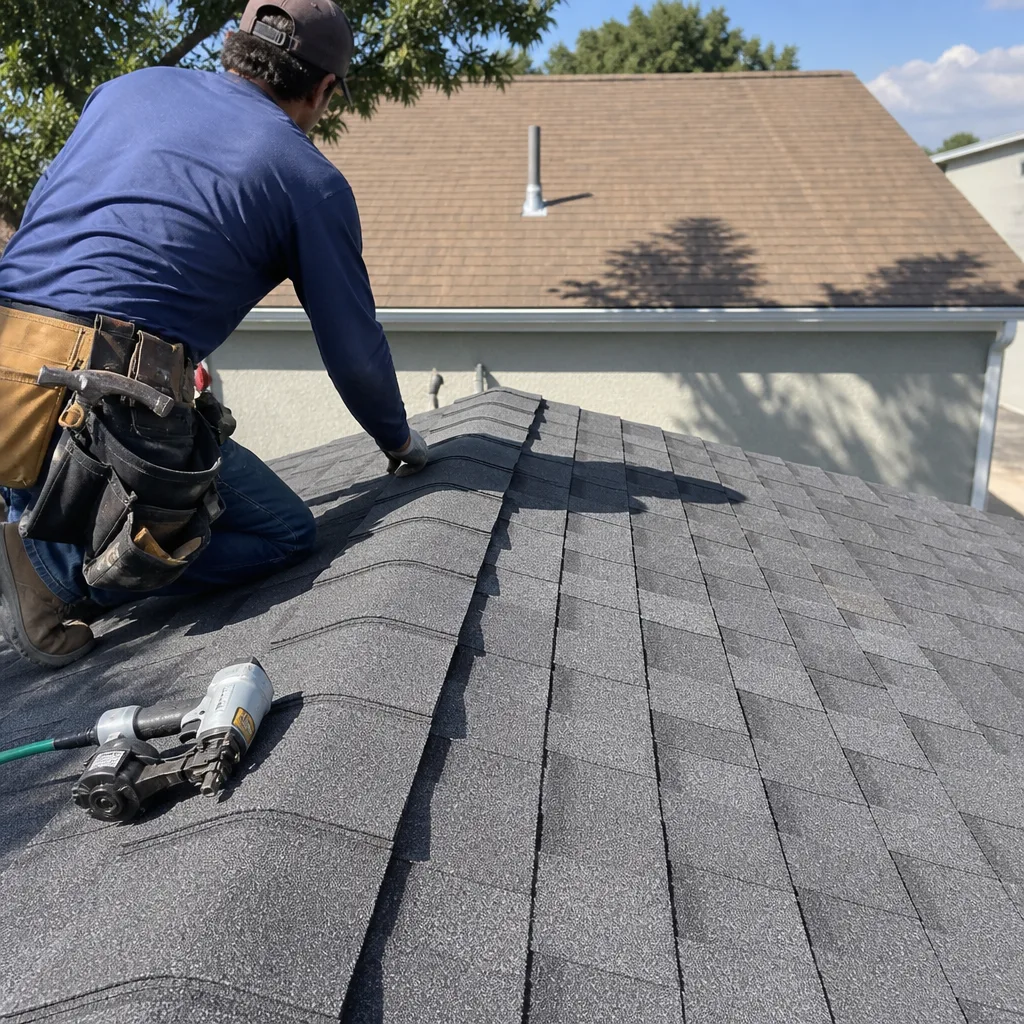
- Final inspection. After the shingles, tile, or other covering is installed, the inspector does a final walkthrough, usually from a ladder or drone depending on accessibility. They’re checking nail patterns, edge lines, ridge cap installation, and that the material matches what was on the permit application.
- Permit signed off. The inspector signs the permit card, and the city logs the final approval. You should receive written confirmation, which becomes part of your home’s permanent record.
Who is responsible for being on-site? In practice, your contractor. Most West Covina inspectors will call the contractor 30 to 60 minutes before arriving, and the contractor is expected to be there with the permit card and access to the roof. Homeowners don’t need to be present, though you’re welcome to be.
How long does it take? The inspection itself takes 15 to 30 minutes. The scheduling window is usually same-day or next-day if your contractor calls before the 8:00 a.m. cutoff. The full permit-to-final-signoff timeline for a typical West Covina re-roof is 1 to 2 weeks, depending on crew speed and inspection scheduling.
One detail that trips up the uninitiated: the inspector is not a roofer, and they’re not checking craftsmanship. They’re checking code compliance. A roof can look beautiful and still fail inspection if the nailing pattern is wrong or the underlayment doesn’t overlap the way the code specifies. That’s why the contractor needs to understand the code, not just know how to swing a hammer. For more on how we approach the full job, start at our Crestview Roofing Co West Covina home page.
Permits and Your Homeowner’s Insurance Claim
Here’s a scenario we’ve watched play out in West Covina more than once: a homeowner files a hail damage claim, the insurance adjuster approves a full replacement, and the contractor suggests skipping the permit to “save time and money.” Six months later, the homeowner files a second claim for a leak, and the insurance company asks for proof that the first replacement was code-compliant. When the homeowner can’t produce a permit, the claim gets denied or severely reduced.
Insurance companies in California are not required to cover damage from work that was done without a permit if that work contributed to the loss. The California Insurance Code gives carriers broad latitude to exclude losses caused by unpermitted construction when the lack of permitting is material to the claim. In plain English: if your unpermitted roof leaks and damages your ceiling, the insurance company can argue they shouldn’t have to pay because the roof was never inspected to confirm it met minimum standards.
This cuts the other way too. When a permitted roof is damaged, the presence of a permit and final inspection sign-off strengthens your claim. The adjuster can see the city verified the work. There’s no argument about whether the roof was installed correctly to begin with.
West Covina sits in a region where we get occasional heavy rain years and the rare but not impossible hail event. If you’re in the foothills near the San Gabriel Mountains, wind-driven rain can test a roof harder than anything code anticipated. When that happens, you want the paper trail. The permit is evidence of due diligence. Its absence is ammunition for the carrier’s denial letter.
If you’ve already had work done without a permit and need to correct the record, the process isn’t hopeless, but it’s not cheap. You’ll need to open a permit retroactively, which may involve exposing sections of the roof for inspection, just like the homeowner in our opening story. The West Covina Building Division handles these situations regularly, and the approach is more collaborative than punitive. But the cost and disruption are real.
HOA Overlay Rules in West Covina: Color, Profile, and Material Limits
West Covina has a patchwork of HOA-governed neighborhoods, and several of them enforce architectural rules that go beyond what the city of West Covina would approve. The city cares about safety and energy code. The HOA cares about whether your roof looks like the neighbor’s roof. Both sets of rules apply, and neither cares about the other.
Common HOA restrictions we’ve encountered in West Covina neighborhoods include:
- Approved color palettes. Many HOAs restrict roof colors to a narrow list, often earth tones like brown, charcoal, or terracotta. A cool roof product that meets Title 24 might not come in an HOA-approved color, which creates a conflict that can delay your project by weeks.
- Material profile limits. Some HOAs require dimensional shingles over three-tab, or vice versa. Others mandate tile in specific sections of a development where the original builder used tile.
- Prohibition on certain products. A few HOAs in West Covina explicitly prohibit metal roofing or solar shingles, even though both are increasingly popular and legal at the city level.
- Application and approval timelines. HOAs typically require an architectural review committee application before any exterior work starts. In some West Covina associations, this committee meets monthly, which can add 30 to 45 days to your project timeline.
- Fines for non-compliance. If you install a roof that violates HOA rules, the HOA can fine you and require you to re-do the work at your own expense, even if the city approved the permit and passed the inspection.
The city of West Covina does not enforce HOA rules, and the HOA does not enforce city code. You need to satisfy both independently. Before you choose a shingle color or material, check your CC&Rs (Covenants, Conditions, and Restrictions), and submit the HOA’s architectural review form. The smart move is to submit the HOA application and the city permit application at the same time so the timelines run concurrently.
We’ve seen this play out in the newer developments near the West Covina Sportsplex and in older HOA neighborhoods near South Hills Country Club. The newer HOAs tend to be more specific about color and profile. The older ones are often more flexible because their original documents were written before Title 24 cool roof requirements existed. When a conflict arises between HOA aesthetics and state energy code, the state code generally wins, but the HOA can still pressure you with fines until you prove compliance. An experienced local roofer can help you navigate the memo. Read more about our installation process on the Roof Installation in West Covina page.
What Permits and Inspections Actually Cost in West Covina
Permit fees in West Covina are calculated based on the valuation of the project, which for a roof replacement generally means the total contract price including materials and labor. For a typical single-family home re-roof, the building permit fee usually lands between $250 and $600. Smaller repair permits, when required, run less. The state also tacks on a nominal fee for Title 24 compliance review, and there may be a small surcharge for the building department’s technology fund.
Here’s a realistic breakdown of what a West Covina homeowner should expect to pay in permit and inspection costs for a full roof replacement:
- Building permit fee: $250 to $600, depending on project valuation
- Plan check fee (if required): $100 to $300 for non-structural roofing projects
- Title 24 energy compliance surcharge: $10 to $25
- Inspection fee: included in the permit fee in West Covina; no additional charge for standard inspections
- Re-inspection fee (if you fail): $100 to $200 per visit, which is why passing the first time matters
- Total typical range: $360 to $950 for a full re-roof permit in West Covina
Contrast that with the cost of retroactive permitting after the fact, which involves opening walls or sections of roof decking, paying double fees in some jurisdictions, and potentially redoing work that doesn’t meet current code. The retroactive path regularly runs $2,000 to $5,000 or more on top of the original roof cost. The numbers make the decision easy.
Your contractor should include permit costs as a line item in the written estimate. At Crestview Roofing Co West Covina, the written price you receive before work starts includes every line item: permits, materials, labor, disposal, and any applicable sales tax. The number on the page is the number on the invoice. No change orders, no surprise fees at the door.
Who Pulls the Permit: You or the Contractor?
The roof permit should be pulled by the contractor doing the work. When a contractor pulls the permit under their own license, they become the responsible party for code compliance and inspection scheduling, which protects you if the work fails inspection or if the contractor walks off the job. When a homeowner pulls the permit as an owner-builder, they assume legal responsibility for the construction, which can create complications with insurance coverage and future liability.
California law allows homeowners to pull permits for work on their own primary residence under the owner-builder exemption. Some contractors will suggest this to save money or to avoid scrutiny of their license status. Here’s the problem: if you pull an owner-builder permit and then hire an unlicensed worker who gets injured on your roof, you’re liable for the injury, and your homeowner’s insurance may not cover it. Licensed contractors in California carry workers’ compensation insurance, which covers their employees. Your homeowner’s policy does not.
In West Covina, permits for roofing work require the contractor’s license number when a licensed contractor is doing the work. The city verifies the license is active and that the contractor has the appropriate classification (C-39 for roofing). If a contractor asks you to pull the permit yourself, treat that as a red flag and ask why.
There’s one legitimate exception: if you’re doing the work yourself on your own home, you can pull an owner-builder permit. But roofing is one of the highest-injury trades in residential construction, and a steep-slope roof is not the place to learn as you go. The medical bills from a fall will make any savings on labor disappear instantly. Hire a licensed C-39 contractor and let them pull the permit.
Common Mistakes to Avoid
- Skipping the permit to save $400 and ending up with a $4,000 retroactive inspection. We opened this guide with a true West Covina story. The retroactive path is never cheaper than doing it right the first time.
- Assuming your contractor is responsible for everything without verifying the permit was actually pulled. Ask to see the permit card before work starts. A legitimate contractor will have no problem showing you.
- Choosing a shingle color without checking HOA rules first. If you live in an HOA-governed West Covina neighborhood, the HOA’s color palette is a governing document, not a suggestion.
- Letting a crew cover damaged sheathing without an inspection. Once new decking is installed and covered, the city can’t verify it. If the inspector finds out later, you’ll be opening the roof back up.
- Buying roofing materials without confirming their Title 24 compliance for Zone 9. A gorgeous shingle that doesn’t meet the reflectance standard won’t pass inspection in West Covina.
- Accepting a verbal quote without a written breakdown that includes permit fees. If the permit cost isn’t on paper, it will appear later as an add-on. Crestview’s written price means the number you approve is the number you pay.
- Filing an insurance claim without your permit and inspection records. The carrier will ask. If you don’t have them, the claim moves to the denial review pile.
When to Call a Professional
A roof replacement is not a DIY project, and in West Covina, the permit process and inspection sequence require someone who reads the California Residential Code regularly, not someone who watches roofing videos on the weekend. If your roof has multiple layers, if the decking has visible water damage, if your house is in an HOA, or if you’re filing an insurance claim, you’re past the point where you should be managing the process alone. A licensed C-39 contractor handles the permit, schedules inspections, and carries the workers’ compensation insurance that protects you from liability.
Roof Repair in West Covina starts with a written price, not a handshake. Crestview Roofing Co West Covina offers free estimates in West Covina, and every proposal includes the permit line item, material specifications with CRRC ratings, and an inspection timeline. Dylan Pace and his crew handle the paperwork so you don’t have to. Call (831) 777-6412 to schedule a free estimate.
Frequently Asked Questions
A roofing permit in West Covina typically costs between $250 and $600 for a full replacement, depending on the project valuation, with the total including plan check and Title 24 review generally landing between $360 and $950. The permit fee is based on the total contract price, so a more expensive roof means a slightly higher permit fee. Call (831) 777-6412 for an exact quote on your specific roof, and we’ll include the permit cost as a line item in your written estimate.
No, if the repair covers less than 100 square feet and doesn’t involve structural changes, you generally don’t need a permit in West Covina. A small patch job, a few replacements around a vent, or minor flashing repair fall under the state’s 100-square-foot exemption. If the repair keeps growing and crosses that threshold, the permit requirement kicks in.
Title 24 is California’s energy code, and for West Covina homeowners in Climate Zone 9, it means your new roof must meet specific cool roof standards for solar reflectance and thermal emittance. Most homeowners satisfy this requirement by choosing shingles from a manufacturer’s cool roof line, such as GAF Timberline Cool Series or CertainTeed Landmark Solaris, and verifying the CRRC rating certificate before installation begins.
It might not. California insurers can deny claims for damage caused by unpermitted work when the lack of a permit was material to the loss, which means a leak from an unpermitted roof could leave you paying for interior repairs out of pocket. The permit and final inspection sign-off are your proof that the roof met minimum standards when it was installed.
A standard roof inspection in West Covina takes 15 to 30 minutes on-site, with most inspections scheduled same-day or next-day when the contractor calls before the morning cutoff. The full permit-to-final-signoff timeline for a typical re-roof runs 1 to 2 weeks, depending on crew speed and the number of inspection phases your project requires.
Yes. HOAs in West Covina can enforce architectural rules on color, material, and profile that go beyond city code, and they can fine you for non-compliance even after the city inspection passes. Submit your HOA architectural application and your city permit application at the same time to keep the timelines running in parallel, and check your CC&Rs before you commit to a shingle color.
The Bottom Line
California’s roofing code has layers: the state’s Title 24 energy requirements, the city of West Covina’s building permit and inspection process, and your HOA’s architectural rules if you live in a governed neighborhood. All three can apply to the same job, and skipping any one of them creates a future problem. The permit costs a few hundred dollars and proves your roof was installed to code. The retroactive route costs thousands and involves tearing into a finished roof. Get the written price first, verify the permit is real, and keep every document.
Written by Dylan Pace, Owner at Crestview Roofing Co West Covina, serving West Covina since 2000.
See the difference
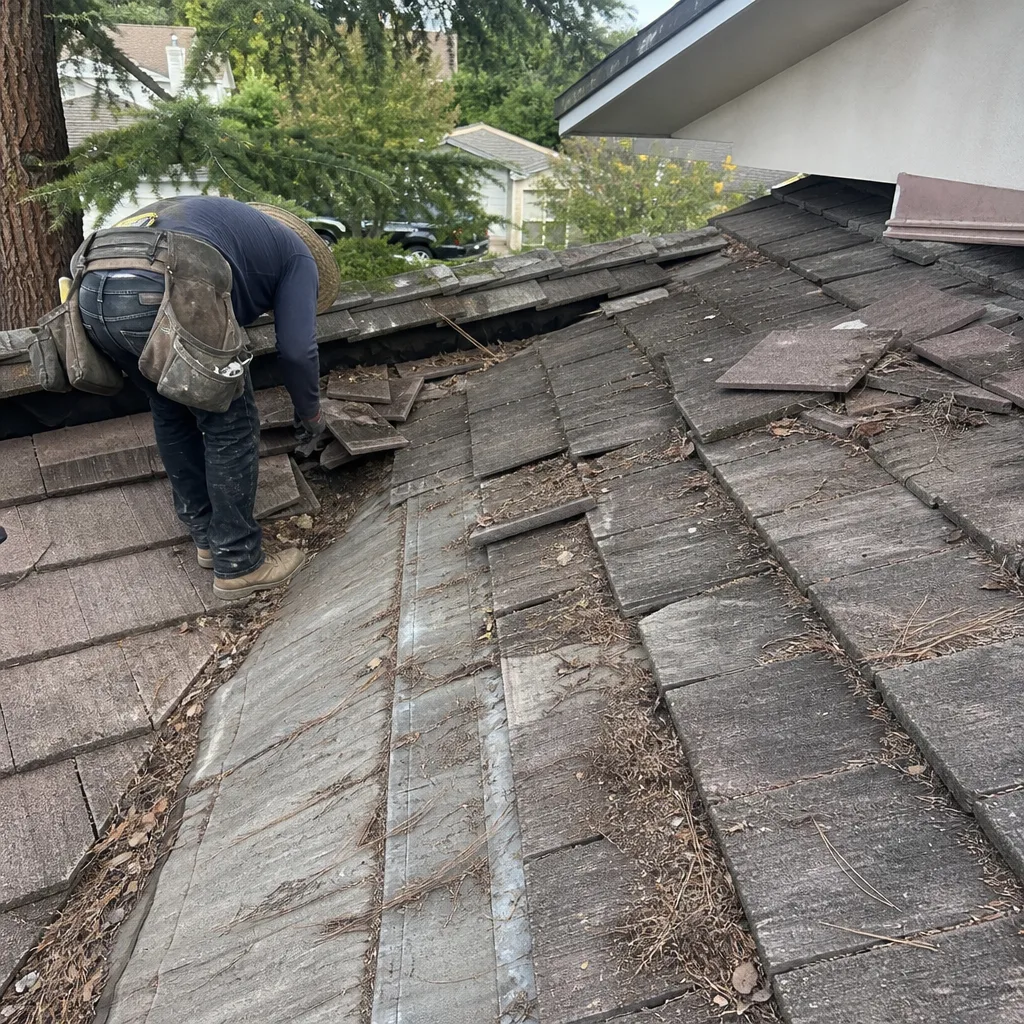 Before
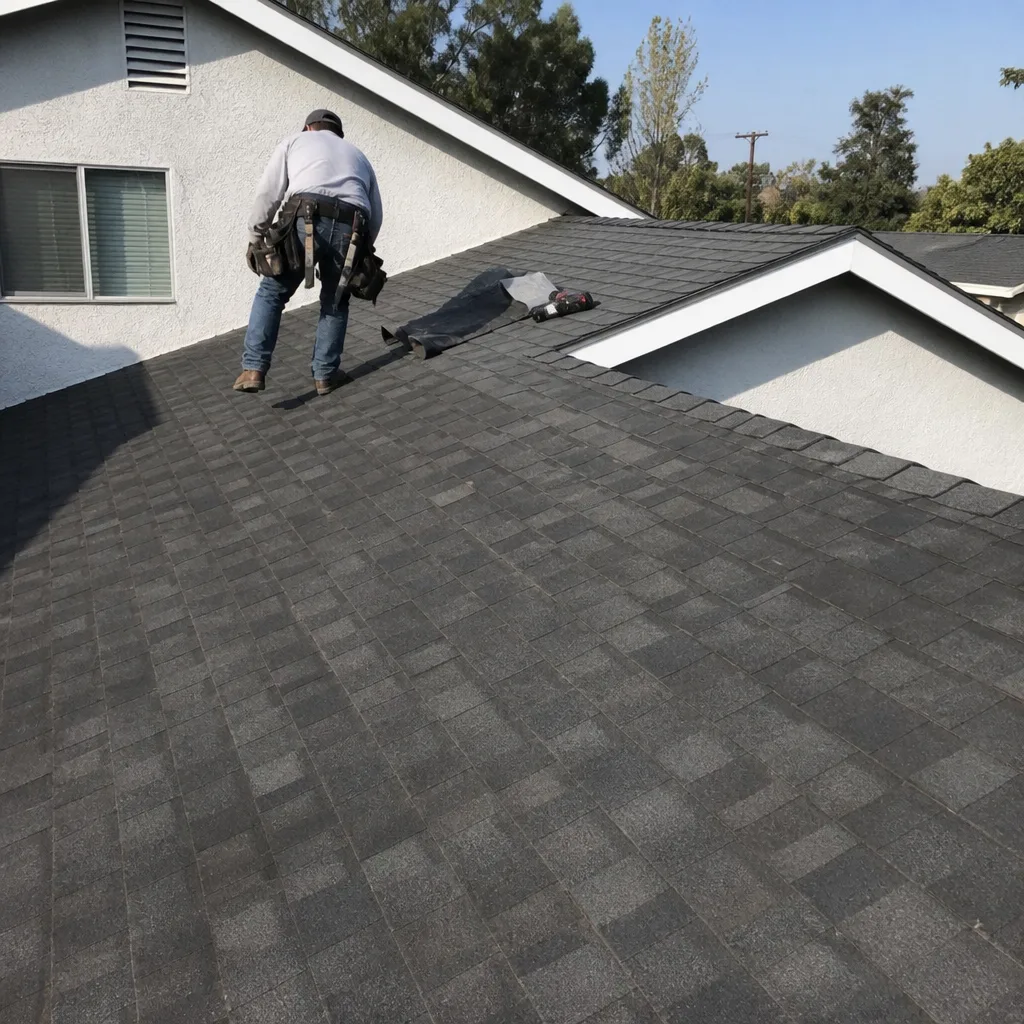 After
After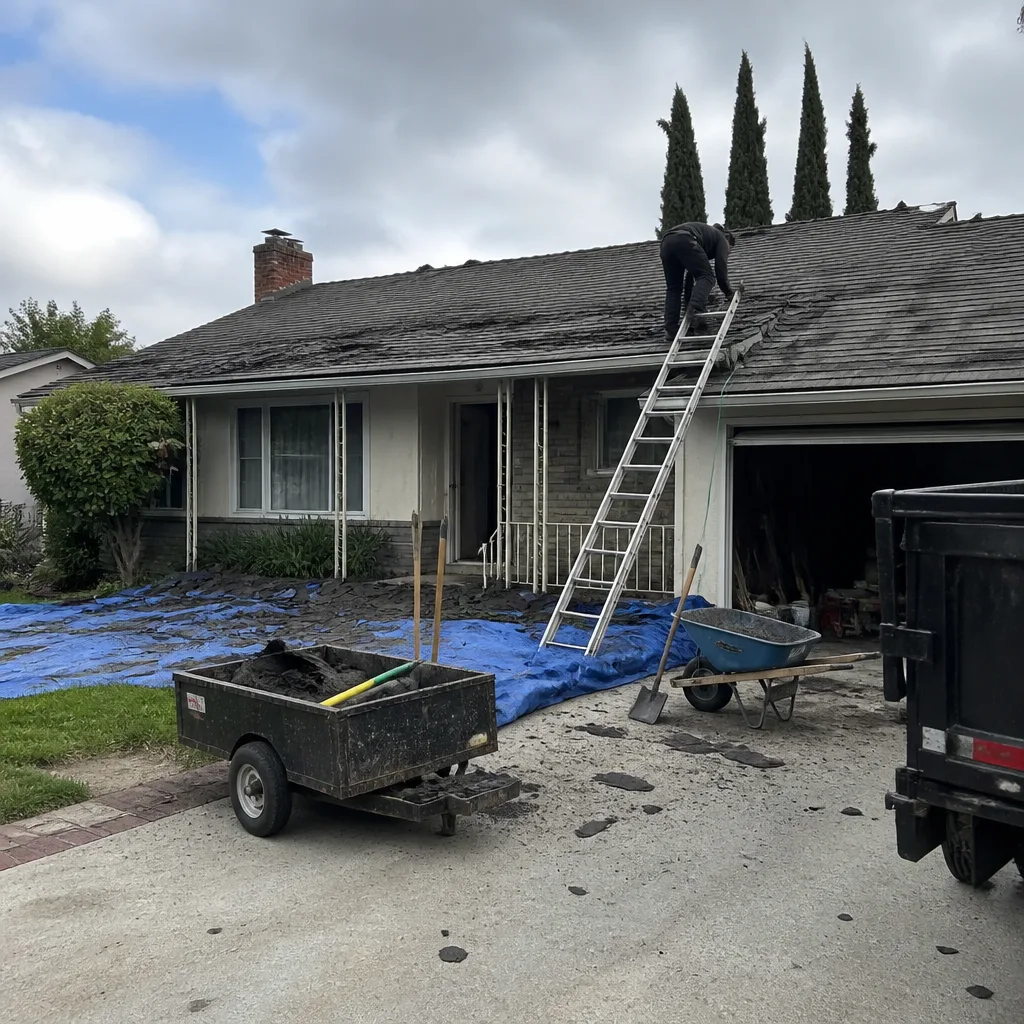 Before
 After
After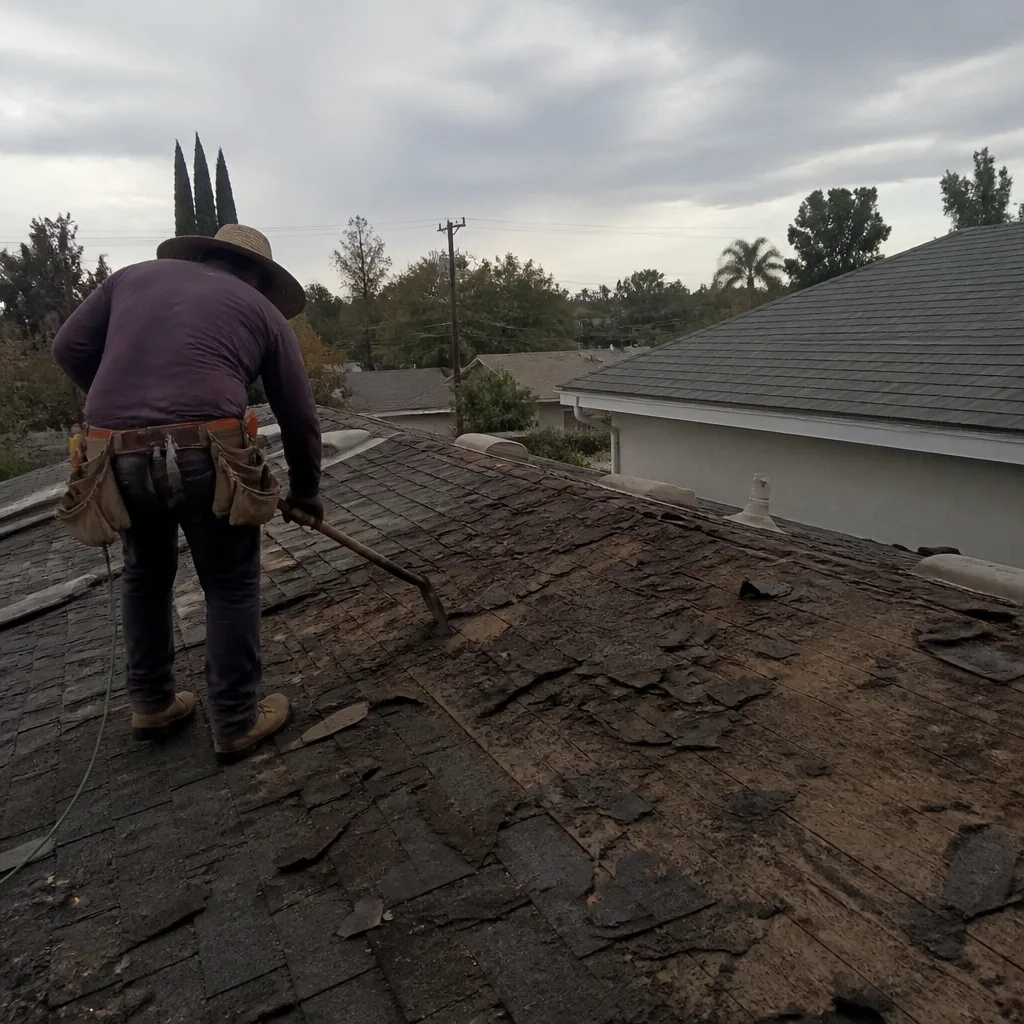 Before
 After
After